Ahmet Davutoğlu: A Turbulent Political Journey Comes to a Close
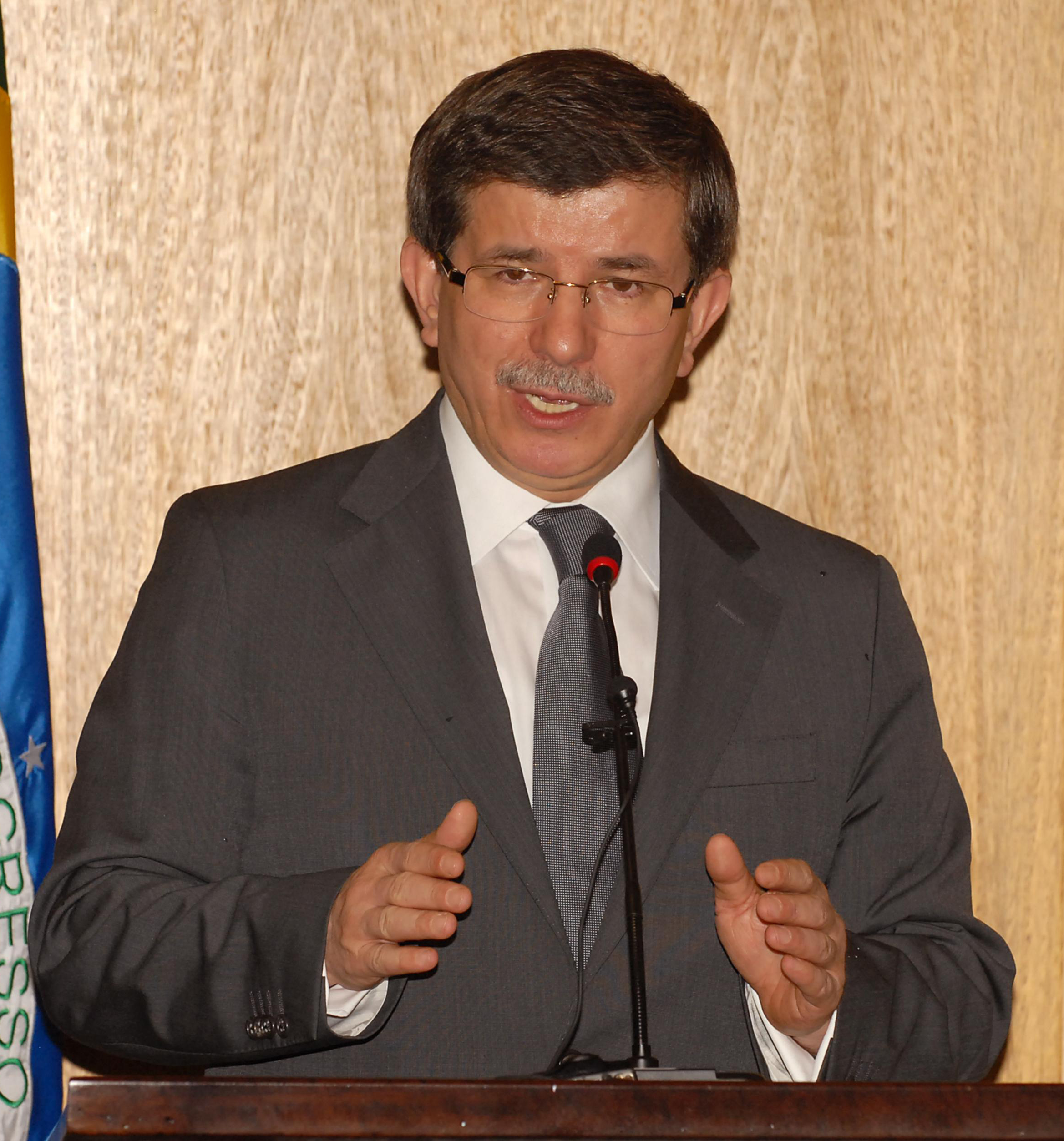
In a move that has sent ripples through Turkish politics, Ahmet Davutoğlu has announced his retirement, citing the 'dirty political climate' as his primary reason. This announcement comes with the dissolution of his Future Party, marking the end of an era for the man who once stood at the helm of Turkey’s political ship.
Born in 1959, Davutoğlu's career took off in academia, but he soon found his footing in the political arena. He served as Turkey’s Minister of Foreign Affairs from 2009 to 2014, playing a pivotal role in the country's foreign policy during a period of significant regional upheaval.
His ascent to Prime Minister in 2014 was seen as a natural progression for a man often described as the architect of Turkey’s modern diplomatic strategy. Under his leadership, the Justice and Development Party (AKP) maintained its grip on power, though not without facing formidable challenges.
Challenges and Triumphs
Davutoğlu's tenure as Prime Minister was marked by both domestic and international challenges, not least of which was the Syrian conflict, which saw millions of refugees flood into Turkey. His policies aimed at navigating Turkey through these turbulent waters, although not without controversy.
His relationship with President Recep Tayyip Erdoğan was complex, eventually leading to his resignation as Prime Minister in 2016. Many viewed this as a consequence of internal power struggles within the ruling party.
A New Political Chapter
In 2019, Davutoğlu founded the Future Party, hoping to carve out a new political niche. However, the party struggled to gain significant traction in a deeply polarised political landscape. His decision to step back now raises questions about the future direction of Turkish politics.
Davutoğlu's departure is not just a personal decision; it reflects a broader context of political discontent in Turkiye. His announcement signals a shift that could herald new dynamics in the country's political discourse.