AI Charts a Bold Course to Alpha Centauri
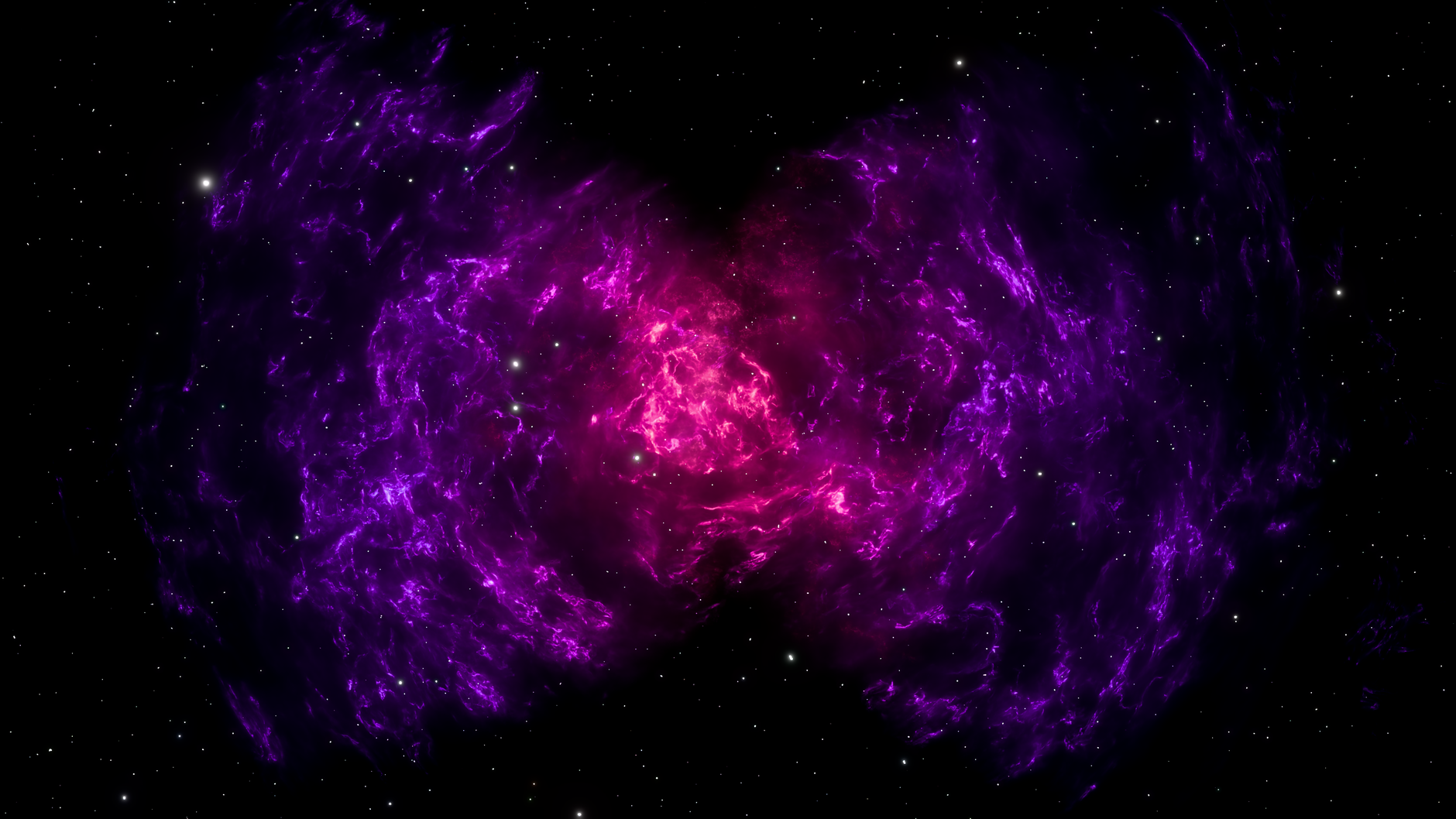
Amidst the hum of theoretical physics and the clatter of coding keyboards, a groundbreaking plan has emerged. An artificial intelligence system, developed by the newly minted Physical Superintelligence (PSI) lab, has plotted a daring course for a spacecraft bound for Alpha Centauri. This isn't the stuff of science fiction; it's a tangible mission with a launch target set for 2029.
The mission, ambitiously dubbed 'Fermi Explorer', employs a concept as futuristic as its name suggests. By harnessing the power of directed energy, specifically from lasers, the team intends to propel a tiny probe across the vast distances that separate us from our nearest stellar neighbour.
A Daring Plan
The notion is as simple as it is brilliant. Photons, the building blocks of light, carry momentum. When directed energy from lasers strikes the spacecraft, it imparts momentum, pushing the craft forward. This approach allows for rapid acceleration without the need for traditional fuel, reducing both weight and cost.
“Our aim was to achieve something quick and economical,” explained a member of the Fermi Explorer team. “It might sound audacious, but with existing technology, it's feasible.”
The Role of AI
Central to this endeavour is the trajectory mapped out by PSI's AI. This system, backed by $58 million in funding led by Breakthrough Energy, has calculated a novel path to Alpha Centauri, optimising for speed and efficiency. The AI's involvement highlights the growing role of artificial intelligence in fields beyond mere data analysis, extending into the realms of practical, high-stakes applications.
As humanity stands on the cusp of its first interstellar mission, the implications are profound. Success could herald a new era of exploration, where the boundaries of our solar system no longer constrain human curiosity. It is a testament to what can be achieved when cutting-edge technology meets human determination.
In the words of those behind the mission, "It's about time we reached for the stars."