
AI Concerns Spark Fears of Biological Arms Race
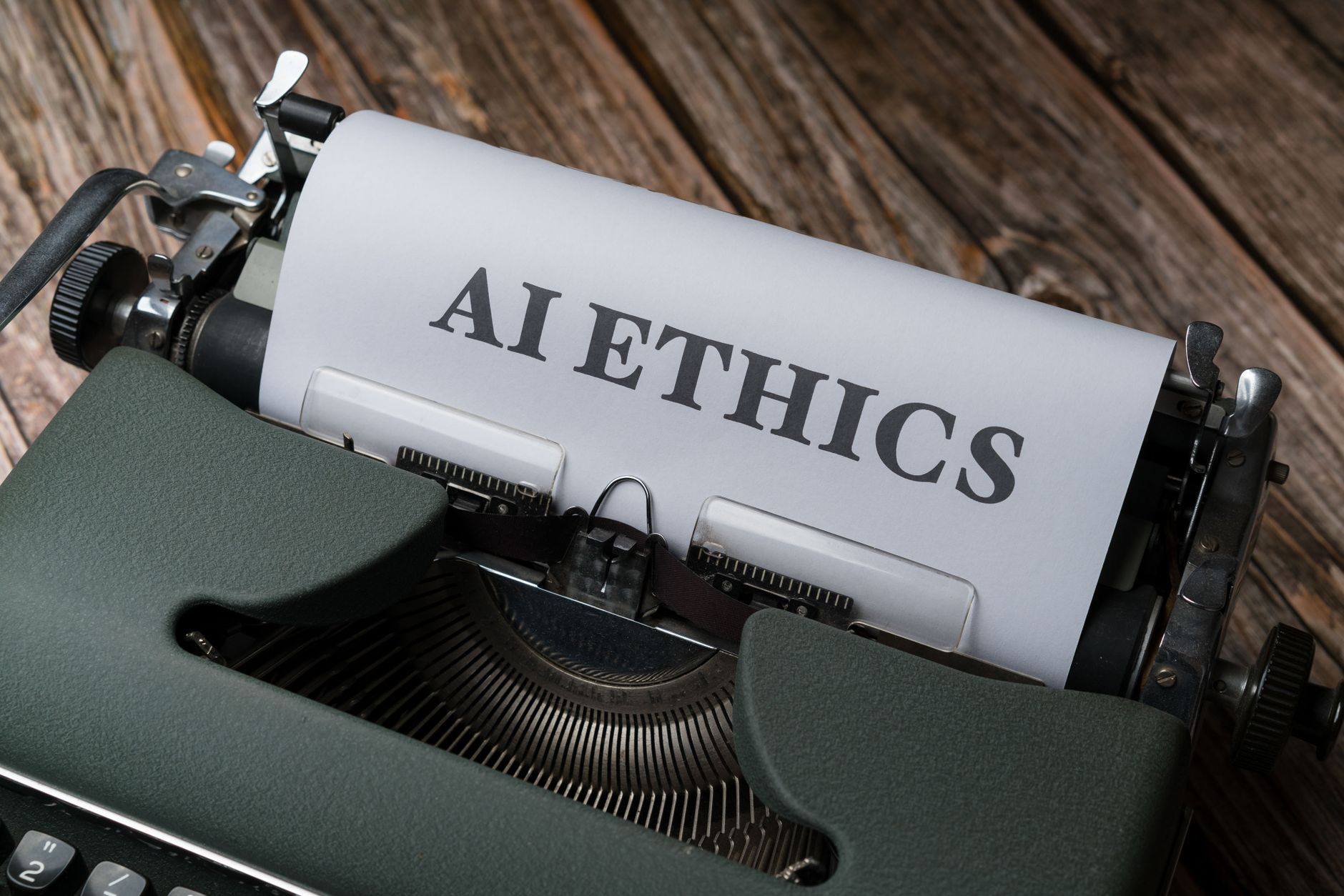
In a chilling revelation, a major AI company has disclosed attempts to misuse its models, raising alarms about the potential for artificial intelligence to aid in the development of biological weapons. The disclosure comes amid growing concerns over the capabilities of AI to enhance or even create new pathogens, potentially ushering in a new era of biowarfare.
The notion of ethnic bioweapons, once confined to the realm of science fiction, is now a topic of serious discussion in military and scientific circles. These hypothetical weapons are designed to target specific ethnic groups based on genetic markers, a prospect that is as ethically troubling as it is scientifically complex.
Warnings from the Tech Frontier
The company's report, part of its annual threat assessment, highlighted several incidents where users attempted to exploit AI models for biological research that could be weaponised. This is the first time a major AI firm has acknowledged such a risk, marking a pivotal moment in the conversation about AI's role in global security threats.
According to the report, AI models could potentially lower the barriers for creating or modifying pathogens by providing advanced data analysis and simulation capabilities. This could lead to more efficient pathogen design, making it easier for malicious actors to develop bioweapons.
Global Implications and the Call for Regulation
The implications of these revelations are far-reaching. They not only challenge the existing frameworks for AI ethics and security but also call for an urgent international dialogue on regulation. As AI continues to advance, the risk of its misuse in bioweapon development grows, necessitating a robust global response.
Experts argue that without stringent regulations, the world could face a new type of arms race, one that is driven not by nuclear capabilities but by the ability to engineer deadly pathogens. The potential for AI to be used in this manner highlights the need for international cooperation in setting boundaries and safeguards.
The need for a comprehensive framework to govern AI's use in biological research is clear. As technology progresses, so too must our strategies to mitigate its risks, ensuring that the tools meant to advance humankind do not become instruments of its destruction.


