AI Data Centres: A Looming Environmental Concern
In the shadow of technological advancement, a pressing environmental issue is emerging, as AI data centres proliferate across the globe. While these facilities are the backbone of modern artificial intelligence, their insatiable thirst for water and energy poses a significant threat to the environment.
Experts have raised concerns about the burgeoning demand for water in these centres. Older facilities, such as Meta's in Newton, have been reported to use up to 500,000 gallons per day. However, newer centres are expected to consume millions of gallons, far exceeding the capacity of local water supplies in many regions.
The Unseen Environmental Costs
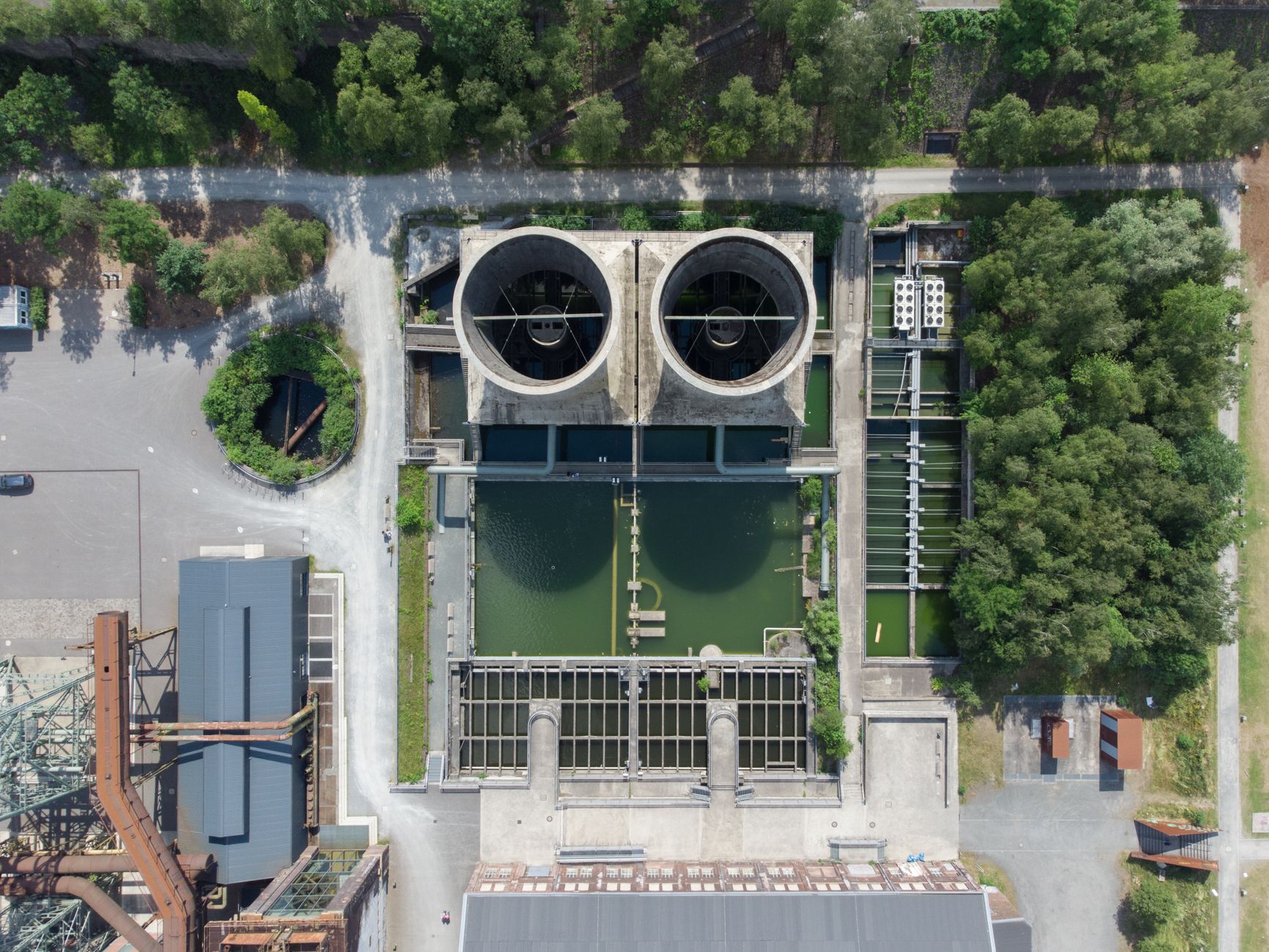
Data centres are not just about processing power; they are about maintaining it. This requires substantial cooling systems, which in turn demand vast quantities of water. The absence of mandatory water stress mapping in environmental policies exacerbates the issue, allowing these 'digital juggernauts' to operate without assessing their full impact on local resources.
Moreover, the Union Ministry of Environment, Forests and Climate Change does not currently require thermal impact assessments for data centre approvals. This regulatory gap means the potential long-term effects on aquatic ecosystems remain largely unexamined.
Jobs versus Sustainability
While some argue that these centres bring jobs and economic growth, others caution that the environmental cost may outweigh these benefits. The noise pollution and increased electricity demand add to the list of grievances from local communities.
As AI continues to evolve, so too must our approach to managing its infrastructure. Balancing technological progress with environmental stewardship is crucial, lest we find ourselves paying a steep ecological price.