AI-Designed Viruses: Breakthrough or Biosecurity Threat?
In the realm of scientific exploration, few developments spark as much intrigue as the concept of AI-designed viruses. Imagine an AI system not just painting whimsical cat portraits or drafting emails, but crafting viral genomes. The potential applications are vast, from combating bacterial infections in agriculture to pioneering gene therapies.
However, the notion of AI meddling with viruses is fraught with ethical dilemmas and biosecurity concerns. Researchers have cautiously excluded human pathogen data from the AI's training set. This deliberate omission aims to prevent the system from inadvertently designing viruses capable of infecting humans.
With models trained on genetic data from 2 million bacteriophages, the AI's current creations are confined to entities that do not affect human health. Bacteriophages, viruses that infect bacteria, hold promise in tackling antibiotic-resistant infections — a growing threat in the medical community. Yet, this noble pursuit is shadowed by fears of what might happen if the technology fell into the wrong hands or if future iterations included human-infecting viruses.
Potential and Peril
The enthusiasm for AI-designed viruses lies in their precision. Traditional methods of genetic engineering often involve laborious trial and error, but machine learning can streamline this process, leading to swift advancements. For instance, in agriculture, engineered phages could be deployed to protect crops without resorting to chemical pesticides.
Despite these benefits, biosecurity experts warn that the same techniques could be repurposed to create biological weapons. The spectre of AI facilitating the synthesis of human-targeted pathogens is not a distant dystopian fantasy but a genuine concern for those monitoring technological misuse.
The Ethical Quagmire
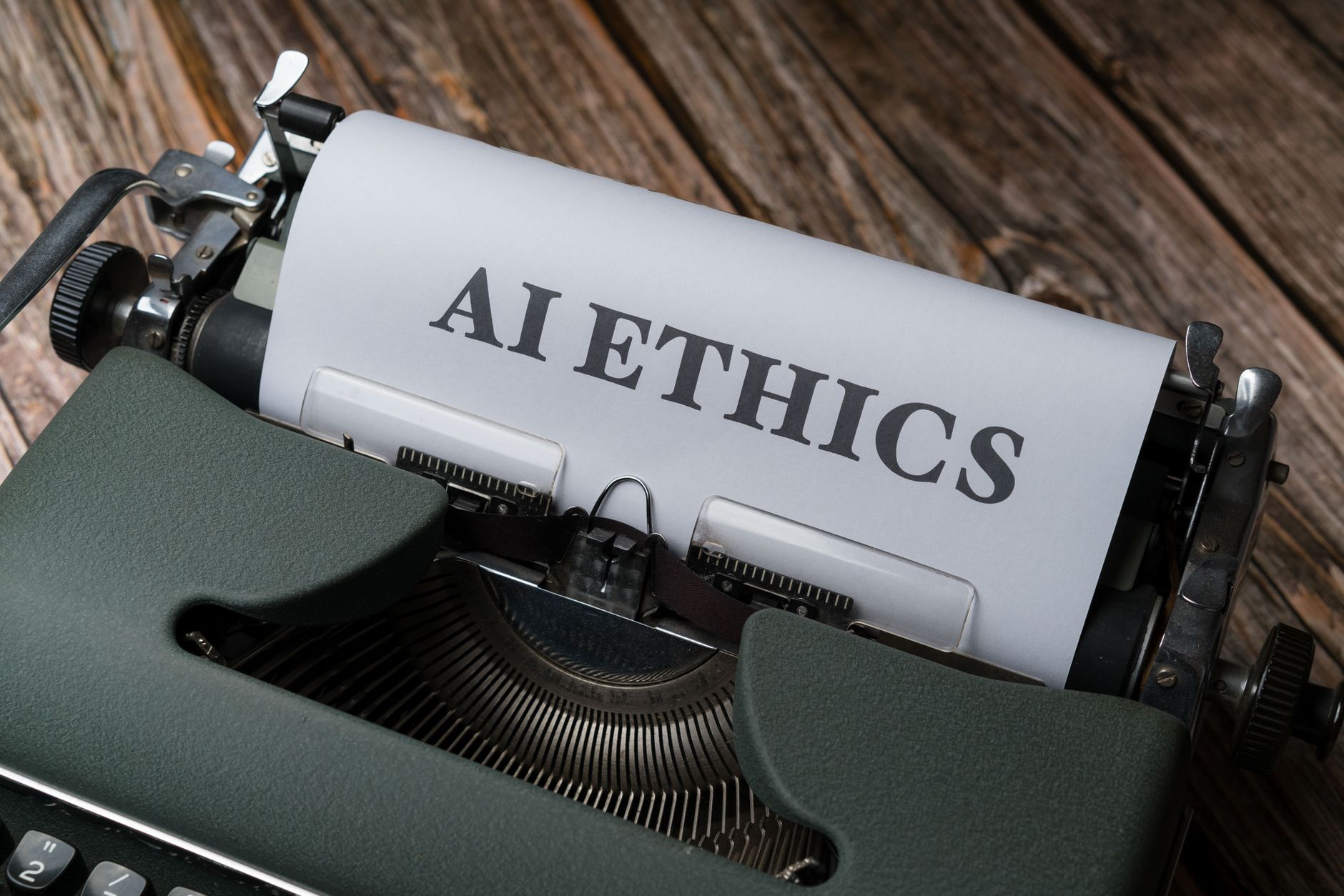
Ethical considerations are paramount. The research community grapples with balancing innovation with responsibility. Ensuring that AI-designed viruses remain within the bounds of safety requires vigilant oversight and international cooperation. Regulatory frameworks must evolve alongside technological capabilities to prevent misuse.
In conclusion, while AI-designed viruses present an exciting frontier in scientific research, the potential ramifications cannot be overlooked. As we stand on the brink of a new era in biotechnology, the responsibility to wield these powerful tools wisely rests with researchers, policymakers, and society at large.