AI Labs Set Sights on Transforming the $6tn Education Industry
In a move that could reshape classrooms worldwide, artificial intelligence labs are aggressively entering the education sector, a market estimated to be worth a staggering $6 trillion. This emerging trend sees tech giants and startups alike vying to integrate AI technologies into educational frameworks, promising to deliver personalised learning experiences unlike anything seen before.
Among the frontrunners in this race is Alphabet's Google Labs, which has long been at the forefront of AI innovation. Through its latest experiments, Google aims to refine AI tools that adapt to individual learning speeds and styles, potentially making traditional one-size-fits-all education methods obsolete. According to industry insiders, the potential for AI to analyse student data in real-time and provide tailored feedback is a significant draw for educational institutions looking to modernise their approach.
The Promise of Personalisation
The allure of AI in education lies in its promise to personalise learning. By harnessing vast amounts of data, AI systems can identify a student's strengths and weaknesses, offering targeted resources and support. This could particularly benefit students who struggle in conventional education settings, providing them with bespoke learning paths that cater to their unique needs.
However, the rapid adoption of AI also raises questions about the future role of educators. While technology can offer new tools and insights, the human element of teaching—empathy, inspiration, and moral guidance—remains irreplaceable. Critics argue that over-reliance on AI could lead to a depersonalised education system, where students are viewed as mere data points rather than individuals.
Ethical Considerations and the Road Ahead
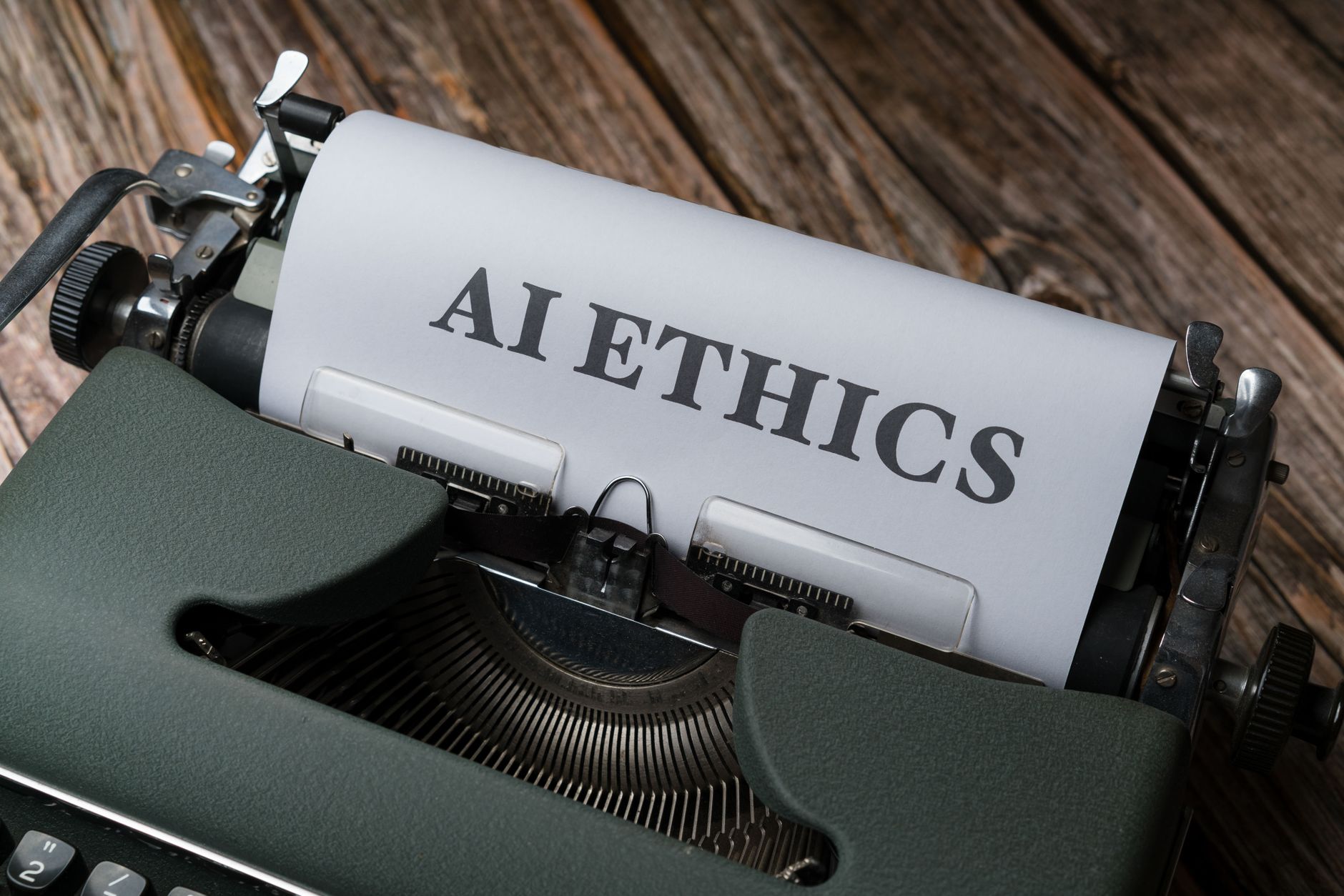
Beyond educational outcomes, the ethical implications of AI in education cannot be ignored. Concerns about data privacy and algorithmic bias are paramount. As AI systems learn from vast datasets, the risk of perpetuating existing biases or making erroneous predictions is a real concern. Educators and policymakers must tread carefully, ensuring that AI is used to enhance, not hinder, educational equity.
As AI labs continue to muscle in on the education market, the challenge will be to balance technological advancement with ethical and pedagogical integrity. The future of education may well be digital, but it is crucial that it remains inclusive and human-centred.