AI Tool Recreates Images from Brain Scans with Unnerving Precision
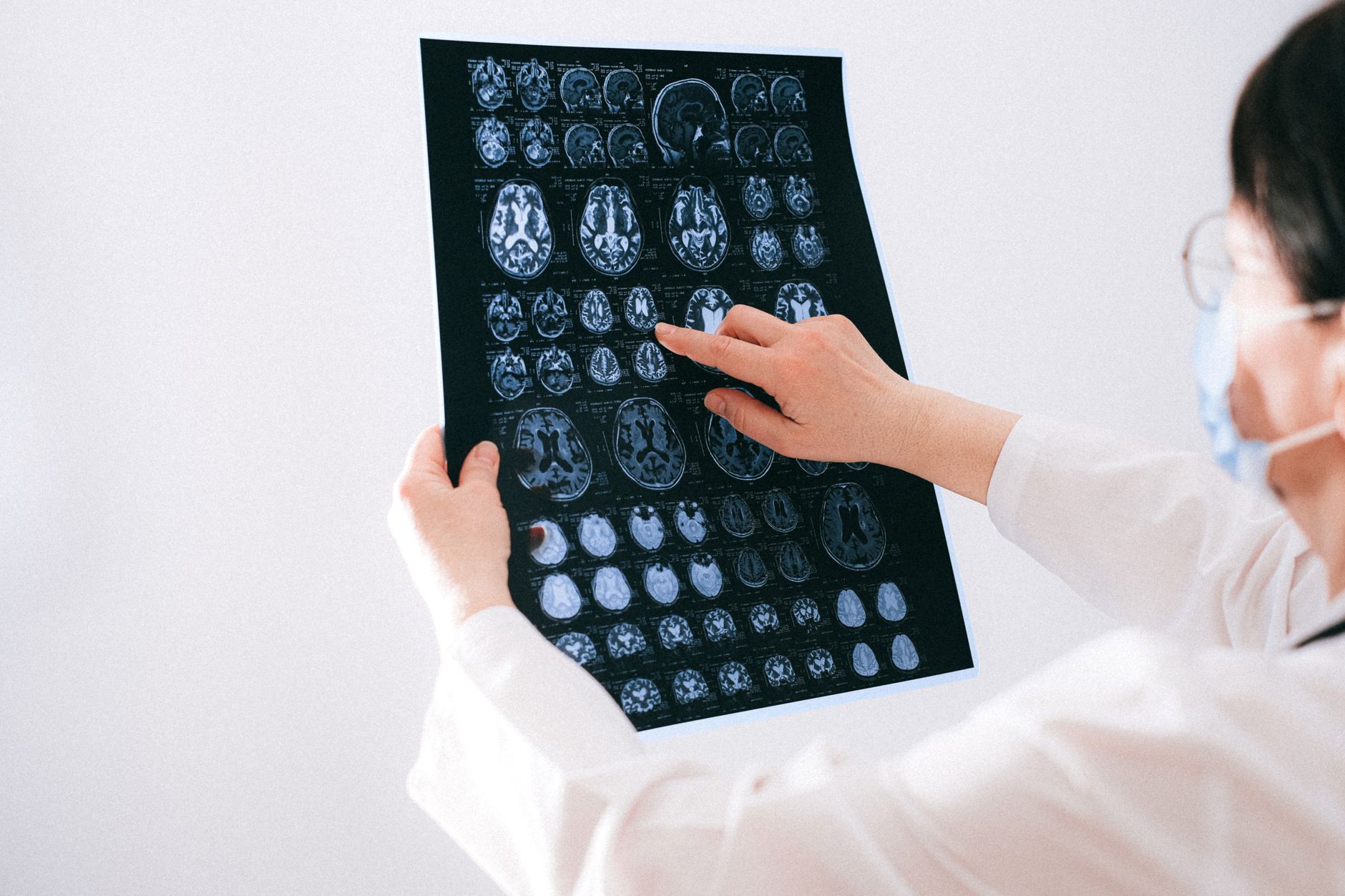
Picture this: a glimpse into your mind, captured and reconstructed by a machine. This is no longer the realm of science fiction, as researchers have developed an AI tool capable of recreating images based on brain scans. The tool, trained on extensive fMRI data, can generate visual replicas of what individuals are viewing, achieving a level of precision once thought unattainable.
The implications of this technology are as vast as they are profound. On the one hand, it promises to revolutionise neuroscience, offering insights into how the brain processes visual information. On the other, it nudges us into an era where mental privacy could become an endangered concept.
Developed through the collaboration of neuroscientists and computer scientists, this AI tool analyses the intricate patterns of brain activity. By decoding these signals, it can reconstruct images with startling fidelity, from simple shapes to more complex scenes. The potential applications are manifold: enhancing brain-machine interfaces, aiding communication for those unable to speak, and even advancing our understanding of visual perception.
Yet, with such power comes responsibility. The ability to peer into the mind raises ethical questions about consent and privacy. Could this technology be misused to extract thoughts without permission, or will safeguards be put in place to protect individuals' mental sanctity? These concerns are not unfounded, and as the technology progresses, so too must the discussions surrounding its ethical use.
As AI continues to weave itself into the fabric of modern life, the line between human thought and technological capability blurs. This new frontier in mind-reading technology exemplifies the dual-edge sword of innovation: offering remarkable possibilities while challenging us to carefully consider the boundaries of privacy and consent.