AI Unveils New Biological System Echoing CRISPR's Promise
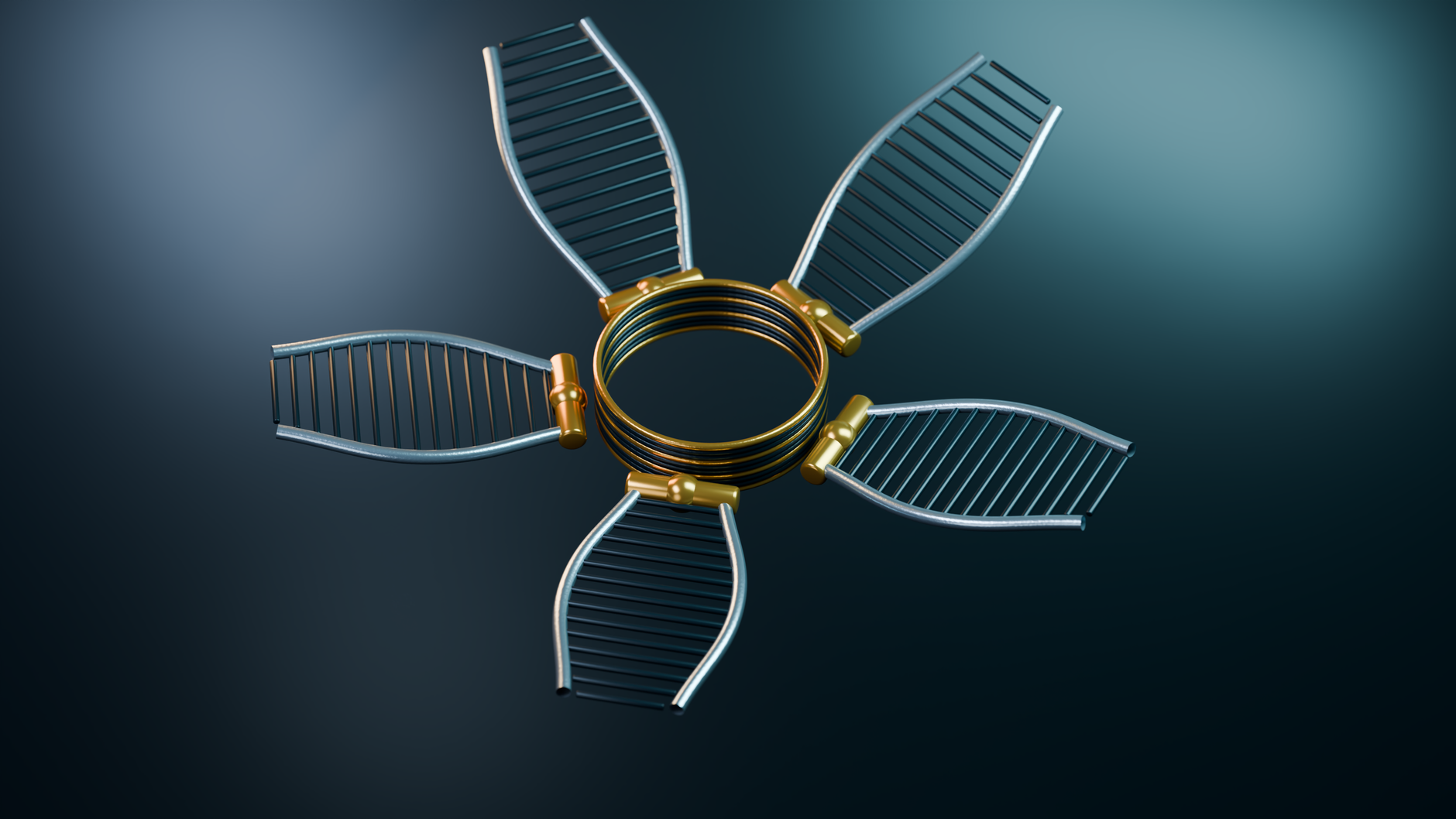
In the bustling corridors of Anthropic's biology lab, a quiet revolution has been stirring. This week, the company announced that its AI model, Claude, has identified a novel biological system that bears a striking resemblance to CRISPR, the revolutionary tool that has transformed gene editing.
The discovery was made within the DNA of bacteriophages, viruses that infect bacteria. According to Anthropic, this system could herald a new era in genetic manipulation, potentially offering scientists a fresh tool to edit genes with precision.
The Science Behind the Discovery
CRISPR, known for its gene-editing capabilities, works by precisely snipping DNA strands at targeted locations. The newly discovered system, found by Claude, operates in a similar fashion, albeit with unique enzymes. These enzymes, embedded within the bacteriophage DNA, could perform functions akin to those of CRISPR, suggesting an untapped potential in the realm of genetic research.
Dr. Sarah Thompson, a geneticist at the University of Cambridge, remarked, "While this discovery is still in its nascent stages, it holds promise. If validated, it could expand our toolkit for genetic engineering, much like CRISPR did a decade ago."
Implications for Science and Medicine
Beyond the immediate scientific curiosity, this finding could have profound implications for medicine and biotechnology. Gene editing holds the key to treating genetic disorders, developing new therapies, and even enhancing agricultural productivity. A new system similar to CRISPR could make these processes more efficient and accessible.
However, as with any scientific breakthrough, caution is advised. The discovery is yet to undergo rigorous peer review and experimental validation. "It's an exciting development, but we mustn't get ahead of ourselves," cautioned Dr. Thompson. "The scientific community will need to thoroughly vet these findings."
This discovery further exemplifies the burgeoning relationship between artificial intelligence and life sciences. AI models like Claude are increasingly adept at sifting through vast datasets, identifying patterns that are often invisible to the human eye. As AI continues to evolve, its role in scientific exploration seems set to expand exponentially.
Anthropic's announcement is a reminder of the potential AI holds in reshaping our understanding of biology. As scientists worldwide await further details and verifications, the world watches with bated breath, hopeful for another leap forward in the quest to unravel the mysteries of life.