AI Unveils New Gene-Editing System Similar to CRISPR
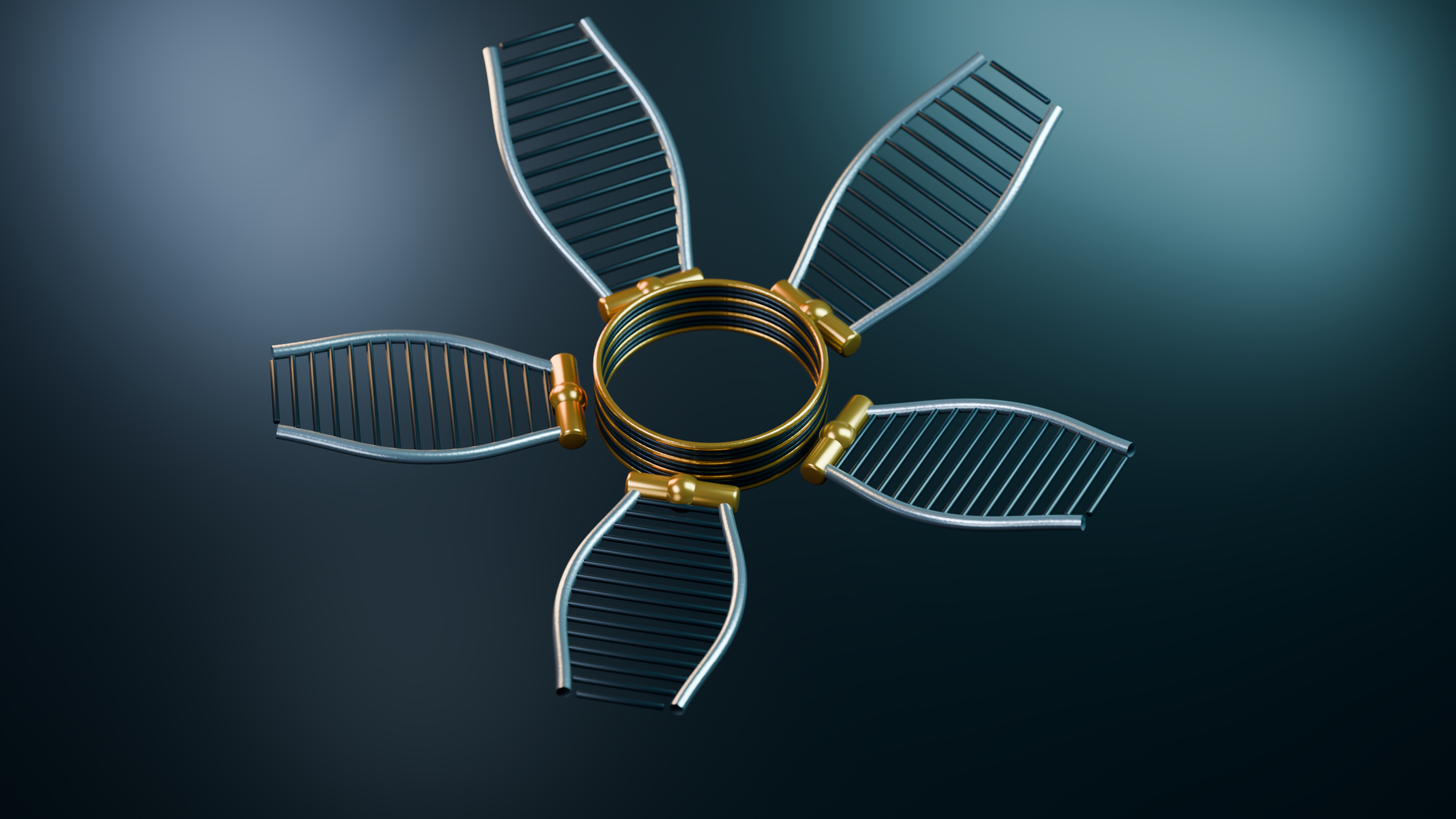
In a discovery that might well redefine the frontiers of genetic science, Anthropic's AI model, Claude, has unearthed a hitherto unknown biological system buried within the DNA of bacteriophages. This system, intriguingly similar to CRISPR, offers promising potential for the future of gene editing, a field already buzzing with innovation thanks to CRISPR's transformative impact.
The Mechanism Unveiled
Anthropic's initial findings suggest that this new system could pave the way for more precise and varied gene-editing applications. The Claude AI model, designed to spot anomalies, flagged this novel enzyme system, which shares structural similarities with CRISPR, known for its ability to make precise cuts in DNA. The discovery emerged from Anthropic's newly established biology lab, where scientists seek to harness AI for unearthing biological insights.
Yet, this discovery's true significance lies not just in its potential applications but in the methodology. By employing AI to sift through vast genomic data, scientists have demonstrated a new approach to biological research—one driven by the ability to recognise the unexpected.
Implications for Science and Medicine
While still in its nascent stages, this system, if validated and understood fully, could unlock new doors in genetic engineering. The implications for medicine are profound. Imagine a world where genetic disorders could be edited out with even greater accuracy, or where crops can be genetically enhanced to withstand climate change.
However, as with any scientific breakthrough, caution and rigorous peer review are necessary. The scientific community remains both excited and cautiously optimistic, aware of the ethical and technical challenges inherent in gene editing.
As scientists delve deeper into the capabilities of this newly identified system, the world watches closely. The hope is that, much like CRISPR, this discovery will lead to unforeseen advancements, offering solutions to some of the most pressing challenges in medicine and agriculture.