Air Pollution and Suicide Risk: A Troubling Connection
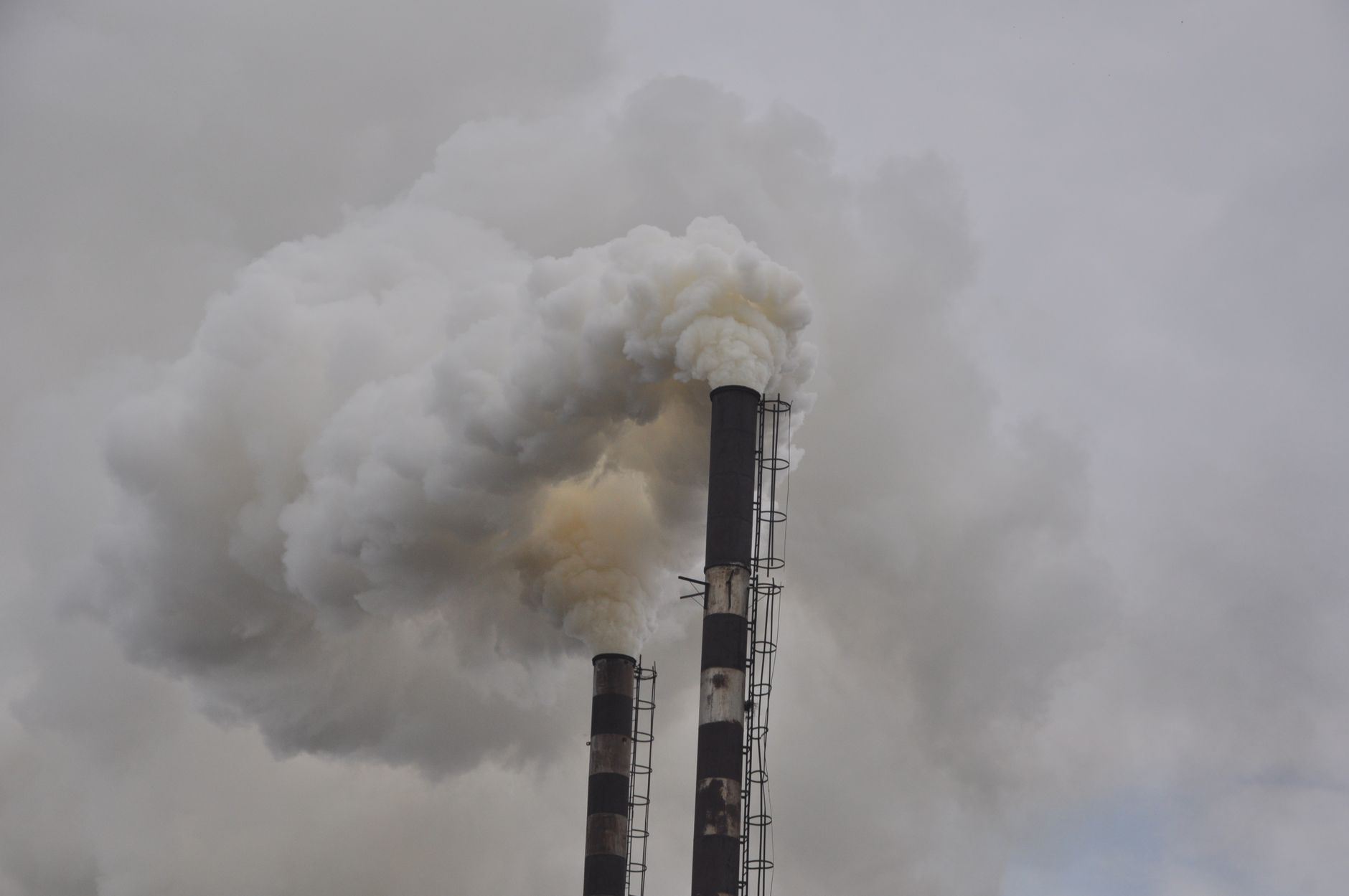
It comes as no surprise that air pollution has long been a thorn in the side of environmental scientists, but its insidious reach into the realms of mental health is only now being laid bare. In an illuminating study conducted by Queen's University Belfast, researchers have drawn a direct line between air pollution and an increased risk of suicide.
The study, which analysed data from over 7,500 suicide cases, delved into the effects of short-term and long-term exposure to air pollutants, specifically PM2.5 and nitrogen dioxide. These pollutants, commonly found in urban environments, have been shown to elevate the risk of suicidal thoughts and behaviours.
Pollution and Mental Health: A Complex Interaction
While the link between environmental degradation and physical health is well-documented, its impact on mental health demands deeper attention. The researchers suggest that the inflammatory responses triggered by pollutants could exacerbate psychiatric disorders, adding another layer to the already complex tapestry of mental health challenges.
One of the more startling findings from the study is the connection between unusually hot days and increased suicide risk. Heat stress, compounded by air pollution, seems to tip the scales unfavourably for vulnerable individuals.
Policy Implications and Future Directions
These findings are not merely academic; they hold significant implications for policymakers. As governments worldwide grapple with the dual crises of environmental degradation and mental health, this study highlights the urgent need for integrated strategies that address both issues concurrently.
Efforts to curb air pollution could yield dividends far beyond the realm of physical health, potentially averting some of the mental health crises that loom large on the horizon.
Ultimately, this research underscores the interconnectedness of our environment and well-being. As the evidence mounts, the call for action becomes louder: clean air is not a luxury but a necessity that could save lives, both physically and mentally.