AI's Crucial Role in China's Innovative Flood Control Measures
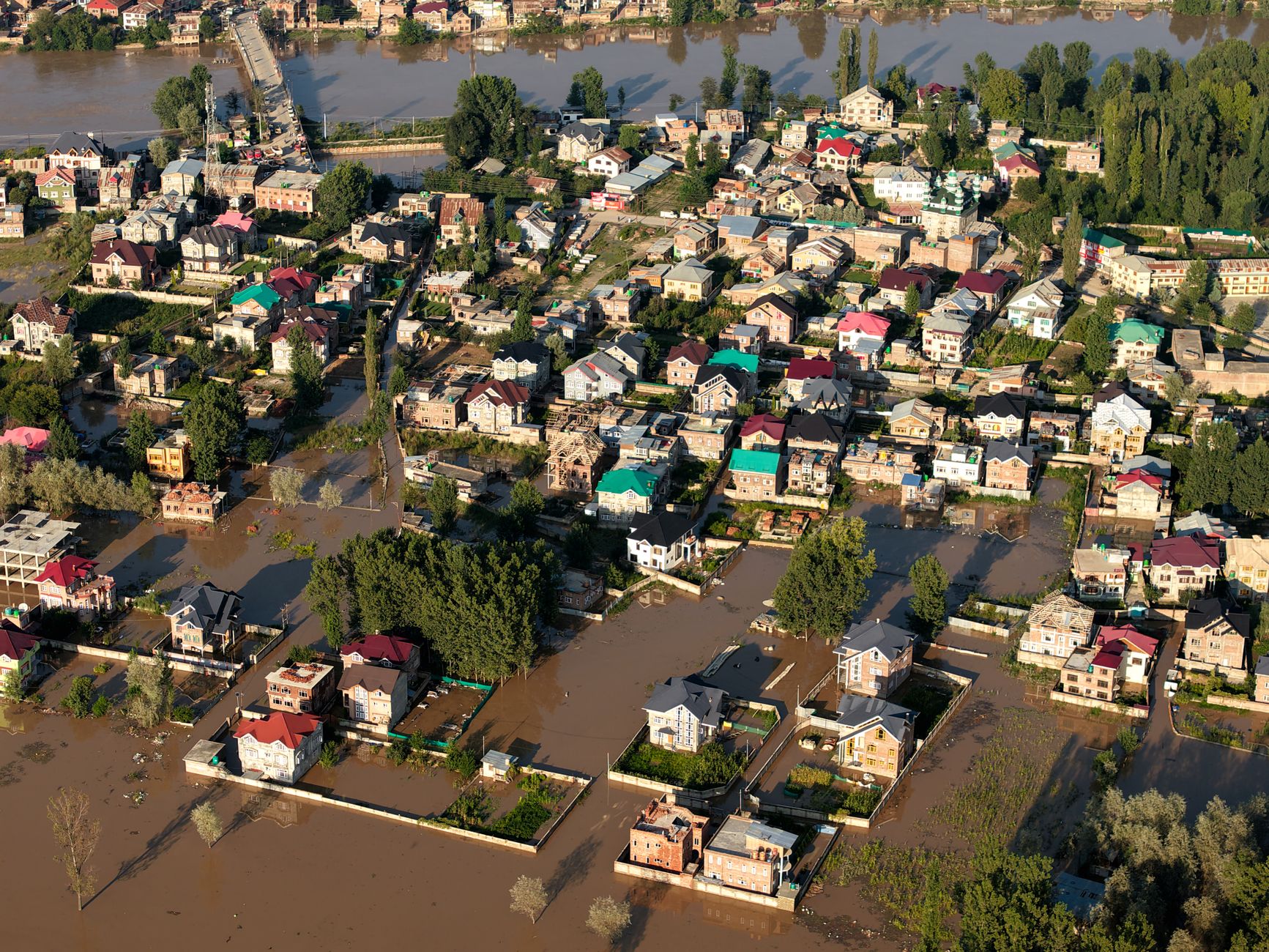
In the sprawling urban centres of China, where monsoon rains frequently test the resilience of infrastructure, a new ally has emerged in the battle against floods: artificial intelligence. As rain clouds gather ominously over cities, AI systems are meticulously scanning thousands of surveillance images, pinpointing potential flood risks with a precision that human operators can only dream of.
Recent reports indicate that over 243,000 images have been analysed by these systems, successfully flagging more than 1,500 potential hazards. This technological advancement is not merely a matter of convenience; it represents a significant shift in how flood risks are managed. By autonomously identifying blockages and vulnerabilities, AI allows for rapid interventions that could prevent small issues from escalating into full-blown disasters.
Local emergency management officials have praised the system, noting its capacity to provide detailed descriptions and precise locations of risks, thereby enabling swift and targeted responses. This is particularly crucial in densely populated areas where even minor flooding can have catastrophic consequences.
A New Era for Urban Planning
The integration of AI into flood control efforts marks a new era for urban planning in China. With climate change exacerbating weather extremes, such innovations are becoming essential tools in the planner's arsenal. The technology not only aids in immediate disaster response but also informs long-term infrastructure development by highlighting areas of recurrent risk.
Moreover, AI's role extends beyond mere identification of risks. It offers peace of mind to residents and urban planners alike, knowing that a vigilant system is constantly monitoring and ready to act. As the technology becomes more sophisticated, its potential applications in disaster management are vast, promising even greater efficiencies and safety.
Future Prospects
While AI has already proven its worth, the future holds even greater promise. Continuous improvements in machine learning algorithms mean these systems will only get better at predicting and preventing floods. In the broader context, China's embrace of AI in flood management could serve as a model for other nations grappling with similar challenges.
As the world faces the increasing impacts of climate change, the lessons learned in China might very well become part of a global toolkit. AI's role in flood control, once a futuristic notion, is now a practical reality — and one that could make the difference between catastrophe and safety.