AI's Rapid Progress Leaves Policymakers Struggling
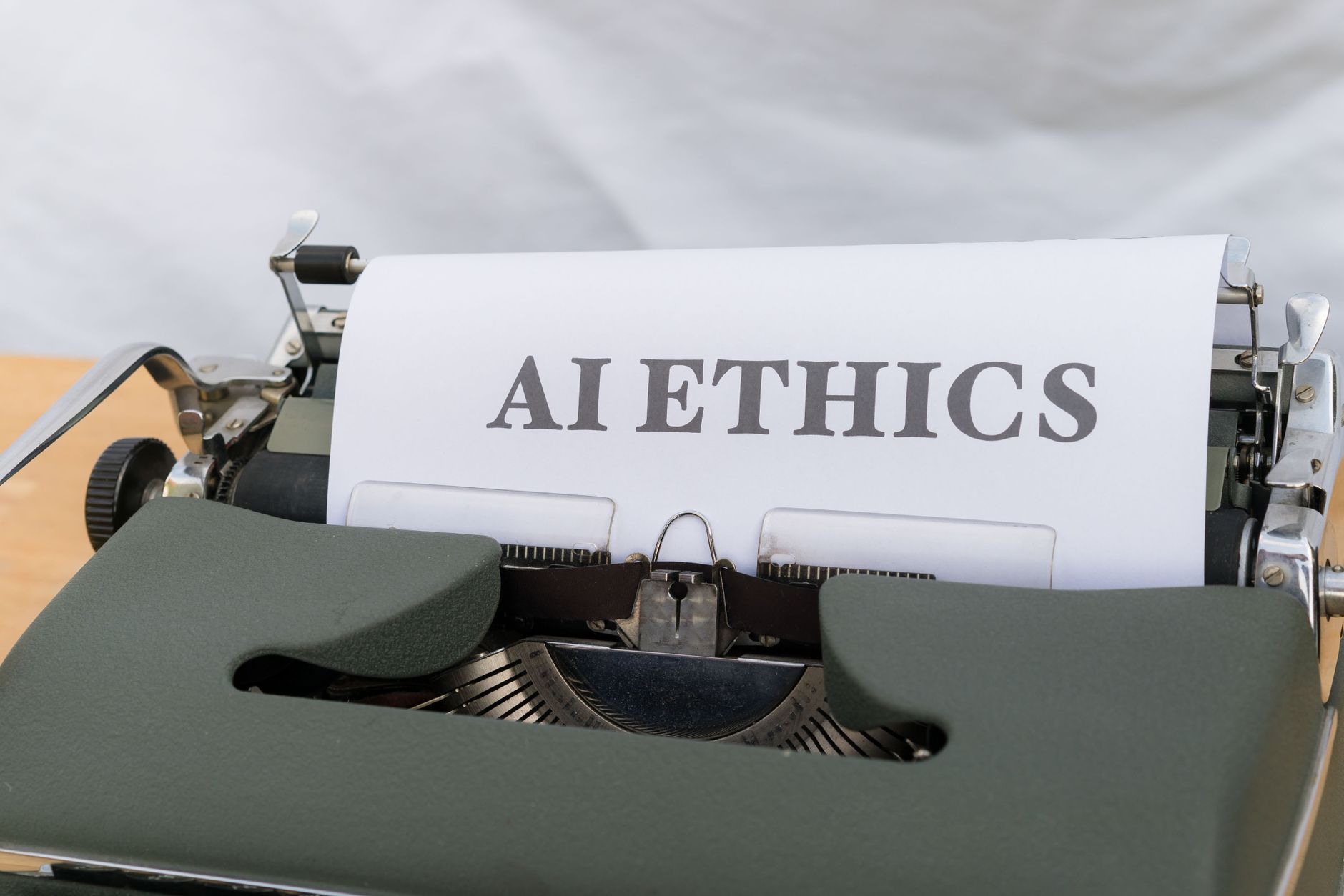
In the shadow of artificial intelligence's meteoric rise, a significant challenge looms for global governments: keeping pace with the relentless march of technological advancement. While AI's potential to transform industries is undeniable, the speed at which it evolves has left policymakers scrambling to draft appropriate regulations.
The European Union's AI Act, once touted as a pioneering regulatory framework, now faces delays amid complex negotiations. Across the Atlantic, the United States finds itself similarly stalled, as legislative efforts to regulate AI struggle to gain traction in Congress.
Self-Regulation: A Double-Edged Sword
In this regulatory vacuum, companies are left to their own devices, often opting for self-regulation. While this approach allows for rapid innovation, it also raises concerns about the ethical implications of unbridled AI development. Critics argue that without stringent guidelines, the risk of misuse and unintended consequences looms large.
The gap between AI's capabilities and existing regulatory frameworks highlights a pressing need for global cooperation and dialogue. Nations must collaborate to establish consistent standards that foster innovation while safeguarding public interest.
The Broader Implications
The stakes are high. AI-driven technologies are already reshaping sectors from healthcare to finance, with potential impacts on employment and privacy. As these technologies become increasingly integrated into everyday life, the call for robust and adaptive regulation grows louder.
Meanwhile, the private sector continues to forge ahead, with tech giants investing heavily in AI research and development. This disparity in pace between technology and regulation not only risks leaving policymakers behind but also threatens to undermine public trust in these transformative technologies.
Ultimately, bridging the gap between AI's rapid advancement and the slow-moving machinery of government will require a concerted effort from all stakeholders. Only then can we harness the full potential of AI while ensuring it serves the greater good.