AI's Schoolroom Paradox: Faster Homework, Faltering Exams
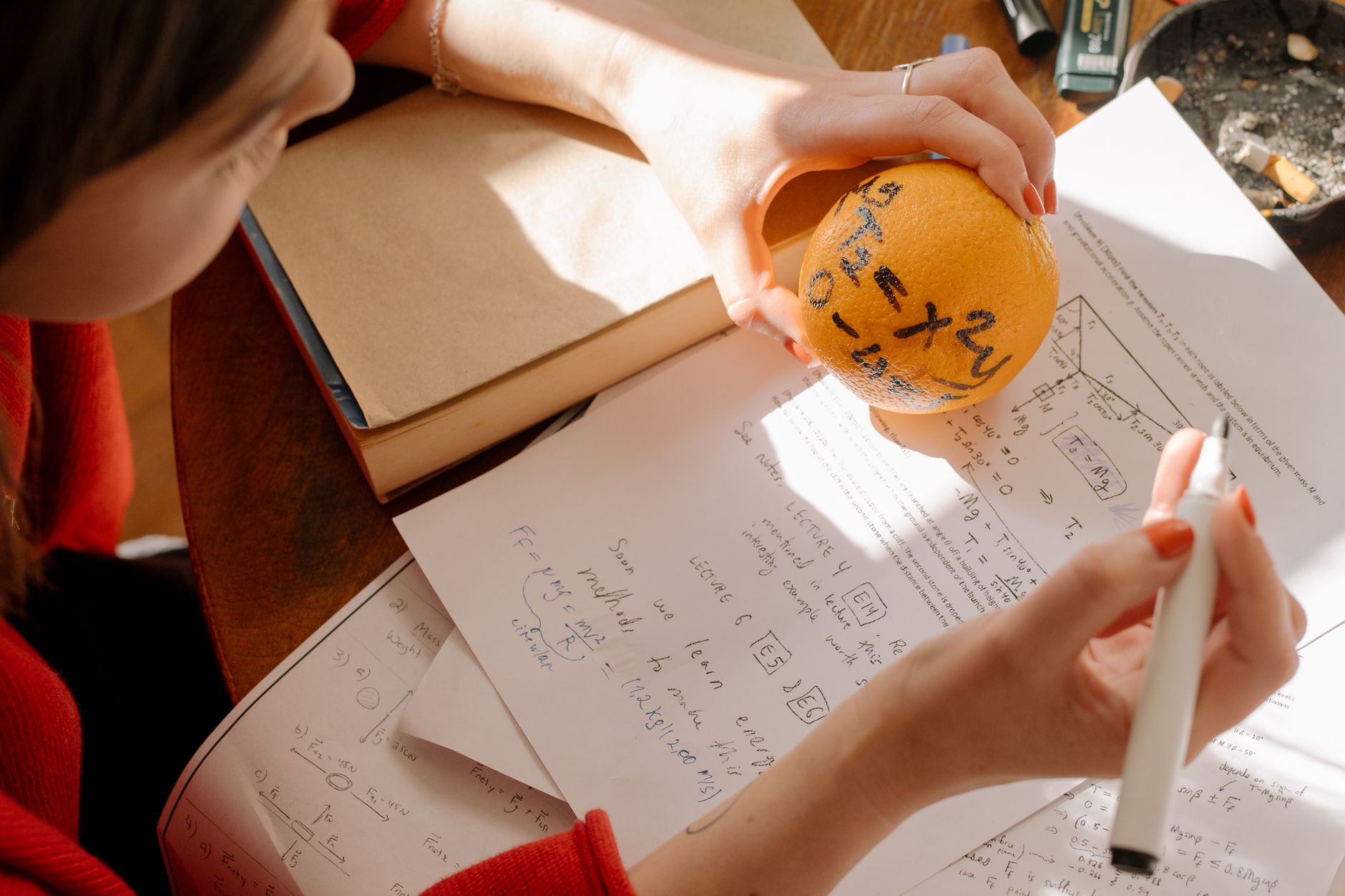
At a school in Texas, students are racing through homework assignments with unprecedented speed, thanks to the integration of artificial intelligence into their study routines. Yet, when exam season rolls around, the same students often find themselves faltering. It's a curious paradox that education experts are beginning to scrutinise closely.
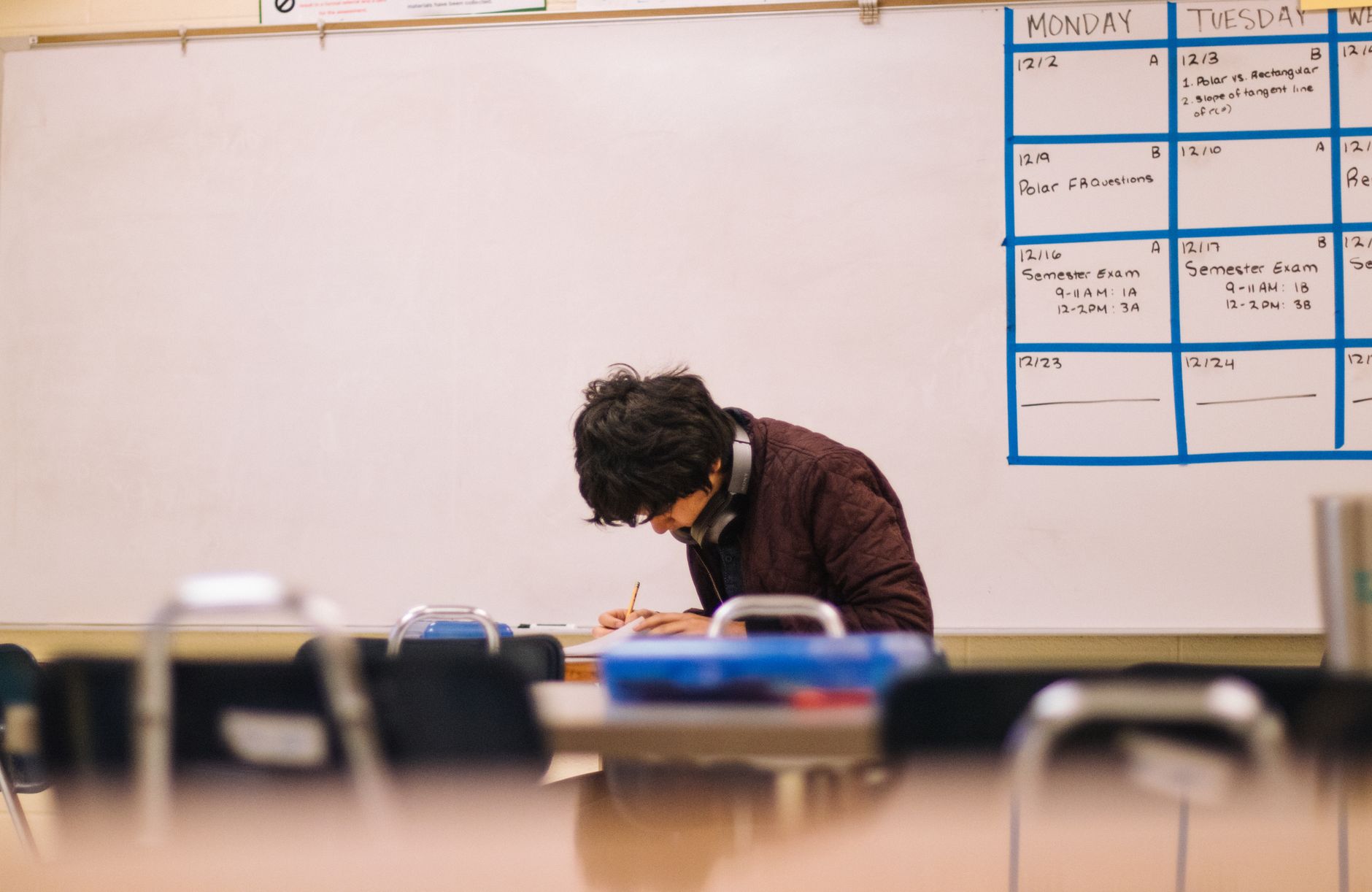
Homework, traditionally seen as a tool for reinforcing classroom learning, has now become an arena for AI's prowess. Open-book, untimed, and accessible, homework has transformed into a task that can be swiftly accomplished with AI's assistance. In stark contrast, exams remain a bastion of independent thought—closed-book, time-limited challenges demanding genuine understanding and critical thinking.
The discrepancy between homework efficiency and exam performance has prompted educators to question the role of AI in learning. While AI can certainly streamline the process of completing assignments, it often fails to equip students with the necessary skills for critical analysis. The danger lies in students becoming overly reliant on AI, unable to tackle problems independently when deprived of technological support.
The Educational Dilemma
This reliance on AI for homework completion can lead to a superficial grasp of subjects. Students may produce confidently incorrect answers, relying on AI's often flawed output. This is particularly concerning as AI can sometimes hallucinate information, reflect inherent biases, and misuse private data, leaving students with a false sense of security.
Moreover, the use of AI in education raises pertinent questions about when its use is appropriate. Students must learn the boundaries of AI application, understanding that some struggles are intrinsic to the learning process itself. This is not merely a technological issue but a pedagogical one, demanding a reassessment of how students are taught to engage with technology responsibly.
Rethinking AI in Education
As schools continue to integrate AI into their curricula, the need for a balanced approach becomes increasingly clear. While AI can be a valuable educational tool, it should complement rather than replace traditional learning methods. Educators are tasked with ensuring students develop robust critical thinking skills, preparing them for exams and, indeed, life beyond the classroom.
Ultimately, the challenge lies in harnessing AI's benefits without undermining the foundational skills that students need. As the debate continues, one thing is certain: the classroom of the future will require students to navigate the complexities of technology with discernment and independence.