AISA's Neha Bora Demands Complete Reversal of Controversial NEP
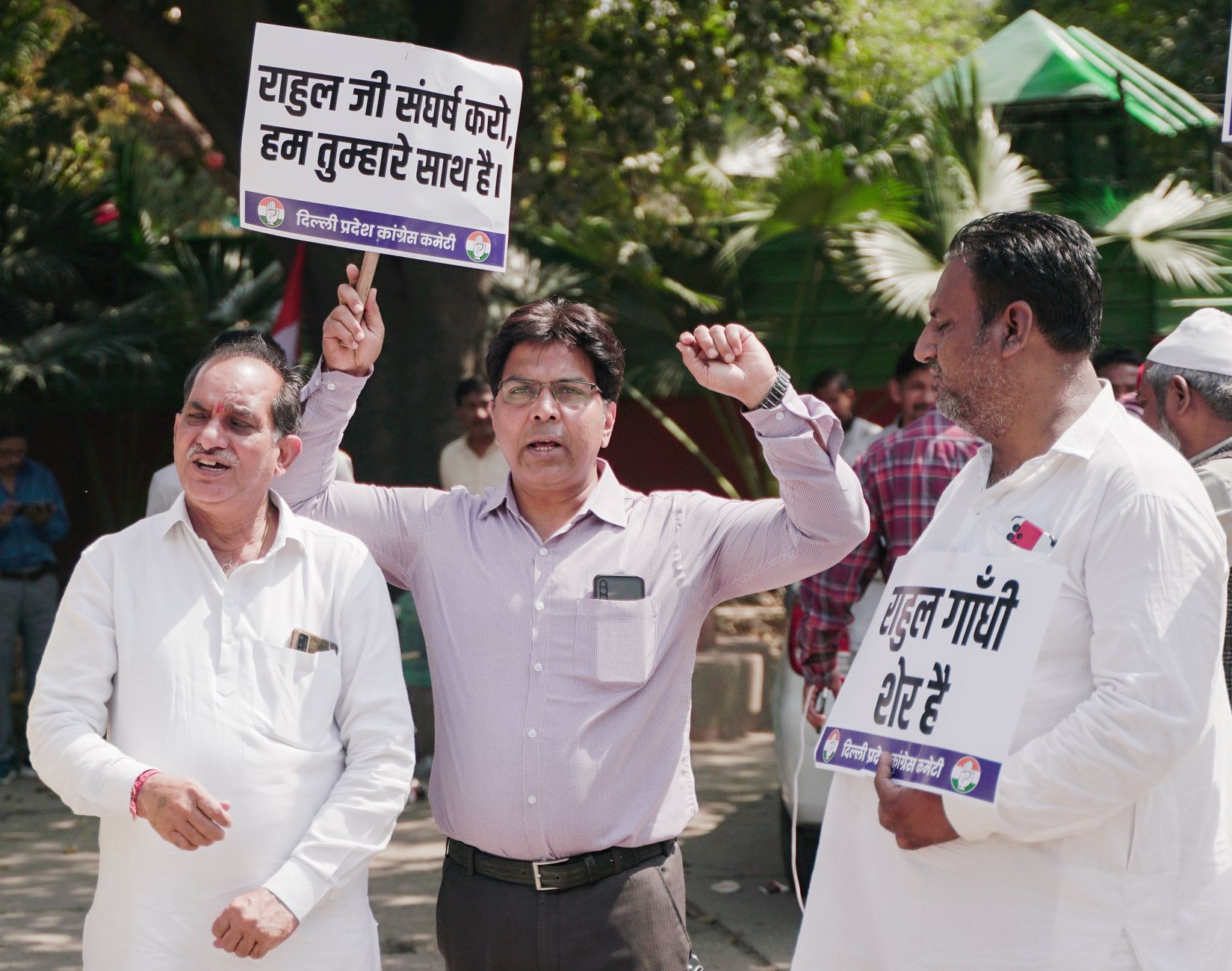
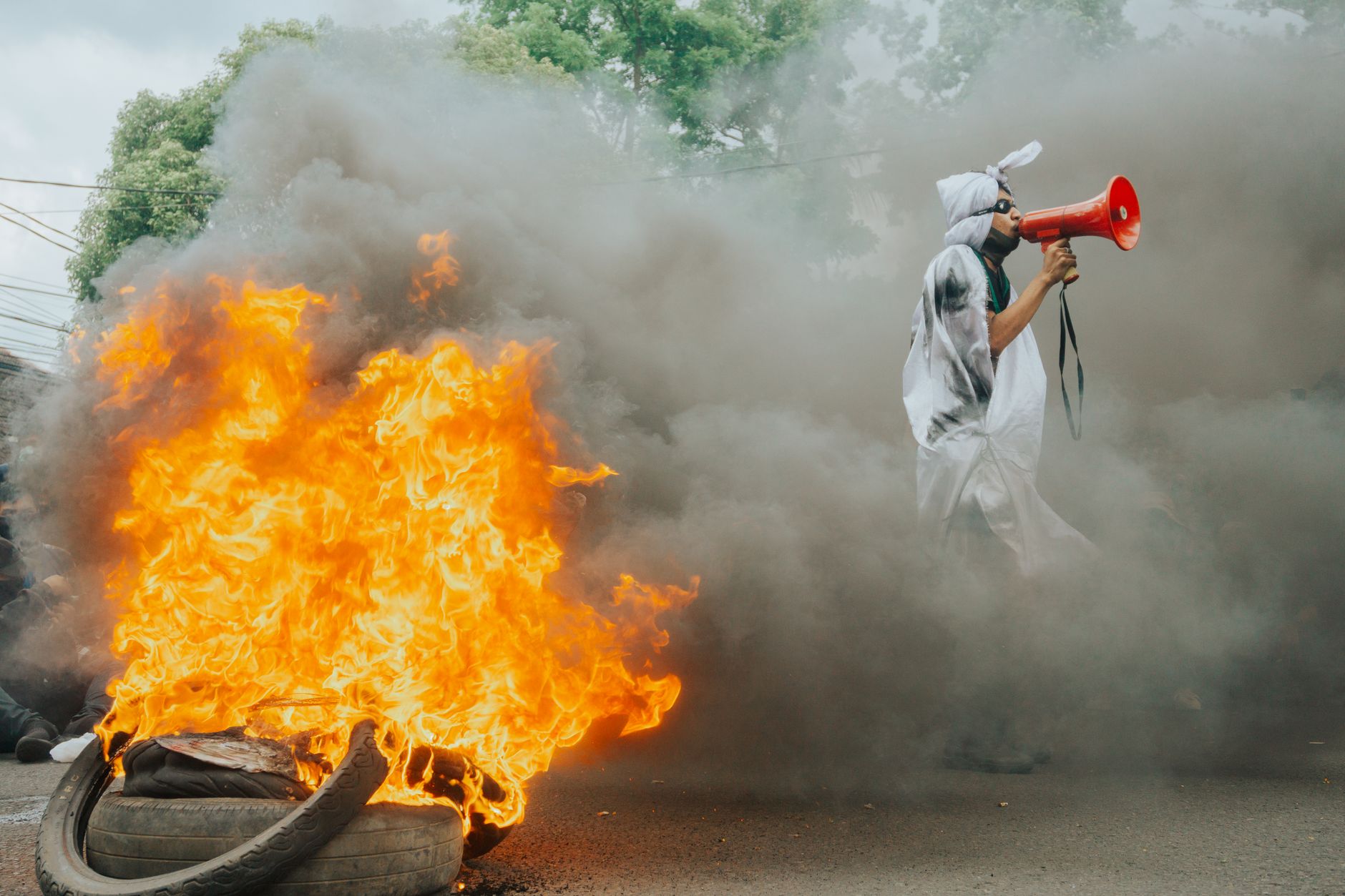
In a scene reminiscent of historical student uprisings, Jantar Mantar has once again become the crucible of protest, with Neha Bora, president of the All India Students Association (AISA), at the forefront. She has issued a resounding call for the complete rollback of the National Education Policy (NEP), which she asserts is dismantling the fabric of India's education system.
Bora's demands are not without precedent. They come on the heels of a 23-day hunger strike, a testament to the intensity of student discontent with the current policy. The strike, which included Sonam Wangchuk, a noted Ladakhi educationist, culminated in the resignation of Education Minister Dharmendra Pradhan, a move that Bora and her associates view as a partial victory, though not nearly enough.
Centralisation Under Fire
The NEP has been criticised for centralising entrance examinations across disciplines, from engineering to medicine. Bora argues that this centralisation has made the system more prone to leaks, a claim that resonates with students and educators alike who worry about the integrity of examination processes.
In a recent press conference in Patna, Bora did not mince words. She called for the scrapping of the National Testing Agency (NTA) or at least a complete overhaul of its structure. According to her, the NTA's lack of transparency and accountability exacerbates the problem, and she demands legislative measures to rectify these issues.
The Broader Impact
While the NEP aims to modernise India's educational landscape, critics like Bora argue that it does so at the cost of educational equity. The policy's focus on centralisation and digitalisation, they say, overlooks the diverse needs of students across the country, particularly those from marginalised communities.
For Bora and her fellow activists, this is not just a policy dispute; it's a fight for the soul of Indian education. As protests continue to simmer, the government faces mounting pressure to address these grievances. The question remains: will the voices of students like Bora prompt a policy U-turn, or will they be another chapter in the ongoing saga of educational reform?