
Al-Qaeda's Resurgence in Afghanistan: A New Haven Under Taliban Rule
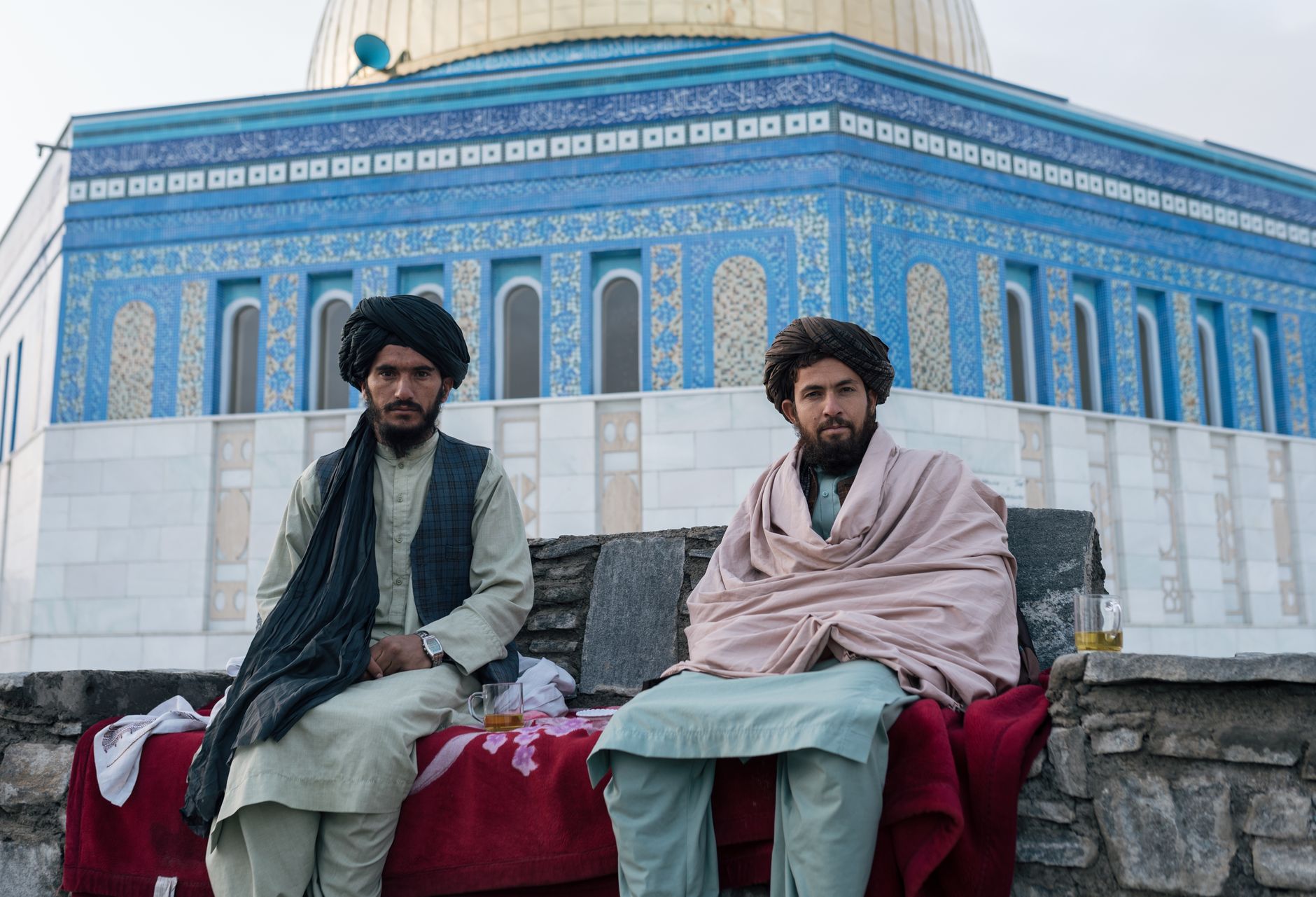
In the rugged terrains of Afghanistan, beneath the Taliban's ostensibly modern facade, an old menace is reportedly regrouping. Al-Qaeda, the militant organisation known for its global jihadist agenda, is said to be re-establishing its foothold in the country. According to a recent report, the Taliban has cultivated a 'permissive environment' that allows Al-Qaeda operatives to consolidate their presence.
Al-Qaeda's re-emergence comes two years after the Taliban's triumphant return to power, following the withdrawal of US forces. Despite promises of a more progressive rule, the Taliban's grip on Afghanistan has been marked by a crackdown on women's rights and a neglect of basic services. Yet, behind the scenes, the Taliban's alliance with Al-Qaeda appears unshaken.
A Haven for Militants
The report highlights how Al-Qaeda has established safe houses and training camps across Afghanistan, capitalising on the Taliban's protection. This development is deeply concerning for international security, as it potentially revives the threat of global terrorism emanating from Afghan soil.
The United Nations has corroborated these findings, indicating that Al-Qaeda's presence and strength in Afghanistan remain largely unchanged. This assertion contradicts the Taliban's claims of severing ties with international terrorist groups.
Implications for Global Security
The resurgence of Al-Qaeda under Taliban rule raises pressing questions about Afghanistan's future and the effectiveness of international counter-terrorism efforts. While the Taliban attempts to project an image of stability and modern governance, the reality on the ground suggests otherwise.
For millions of Afghans, the Taliban's rule has not brought liberation but rather a return to fear and oppression. As the international community grapples with how to engage with the Taliban-led Afghanistan, the presence of Al-Qaeda poses a significant obstacle to peace and stability in the region.
The world watches closely, wary of the historical echoes of Afghanistan as a breeding ground for extremist ideologies. The challenge lies in addressing this resurgence without repeating past mistakes.


