
Amazon Experiment Reveals Fragility of Rainforest Ecosystem
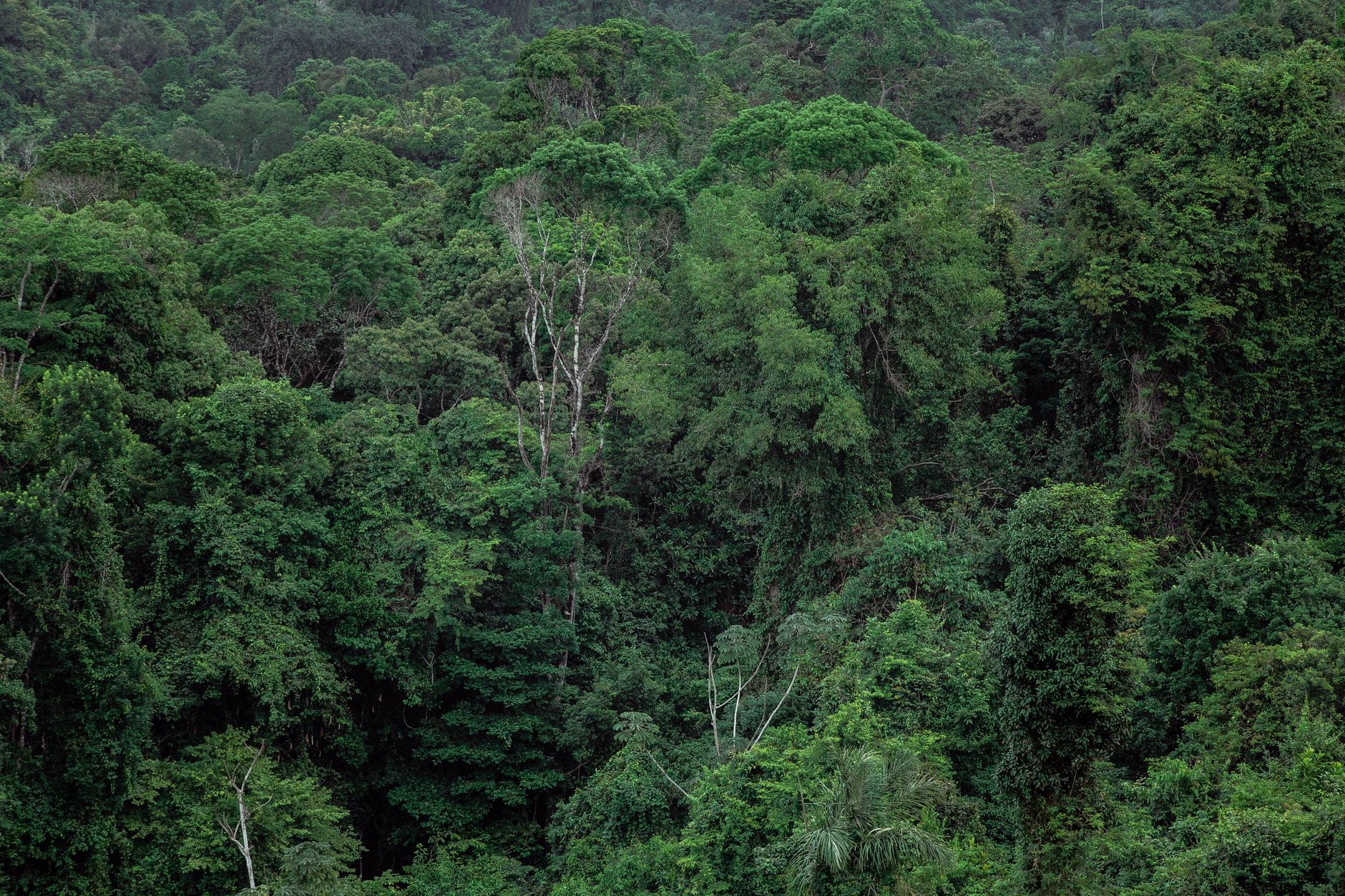
The Amazon rainforest, often dubbed the lungs of the planet, found itself at the centre of a daring scientific experiment. Researchers installed 6,110 panels, effectively blocking half the rainfall over a designated plot. The goal? To uncover how trees might adapt to a drier world—one increasingly dominated by climate change.
The consequences were stark. Large trees succumbed, and the overall biomass of the area shrank by a third. This was not a mere academic exercise; it was a glimpse into a dire future scenario where human activities and climate shifts might conspire to degrade one of Earth's most vital ecosystems.
The study, unprecedented in its scale and ambition, highlighted the resilience and fragility of rainforest flora. Trees employed a variety of coping mechanisms. Some redirected their roots deep into the soil, searching for precious water reserves. Others attempted to absorb moisture directly through their leaves, a last-ditch effort to stave off dehydration.
However, the findings are sobering. They suggest that even the most robust trees—some towering giants of the Amazon—are not invulnerable. With climate change threatening to alter rainfall patterns, the very survival strategies of these forests may be insufficient to weather the coming changes.
Beyond the scientific insights, the experiment serves as a cautionary tale. The Amazon is already under siege from illegal logging and land sales, with parts being sold on platforms like Facebook. If such practices continue unchecked, the compounded effects of human activity and climate change could irreversibly harm these critical ecosystems.
For scientists, policymakers, and the global community, the message is clear: proactive measures are essential to protect the Amazon. The experiment, while illuminating, is a stark reminder of the delicate balance within the rainforest and the urgent need for concerted conservation efforts.


