An Ancient Misstep: Rethinking Earth's 2-Billion-Year-Old Clue
In a revelation that could reshape our understanding of Earth's ancient history, a team of geoscientists has proposed that a key geological clue from two billion years ago may have been misinterpreted. The clue in question, a supposed marker of a global disruption in the carbon cycle, might in fact have a far more localised origin.
For years, this geological artefact has been associated with the Great Oxidation Event, a period when Earth's atmosphere saw a dramatic increase in oxygen levels. This event, driven by cyanobacteria, is credited with setting the stage for the evolution of complex life. However, recent research conducted by scientists from Europe, Gabon, and the United States suggests that the source of this ancient clue could be a regional phenomenon, rather than a worldwide shift.
The implications of this reinterpretation are profound. If the geological evidence is indeed local rather than global, it challenges long-held assumptions about the timeline of oxygen accumulation and its impact on early life forms. The discovery of large, visible fossils from the same era further complicates the narrative, suggesting that life may have adapted and thrived in oxygen-poor environments long before the planet-wide oxygenation.
The Fossil Conundrum
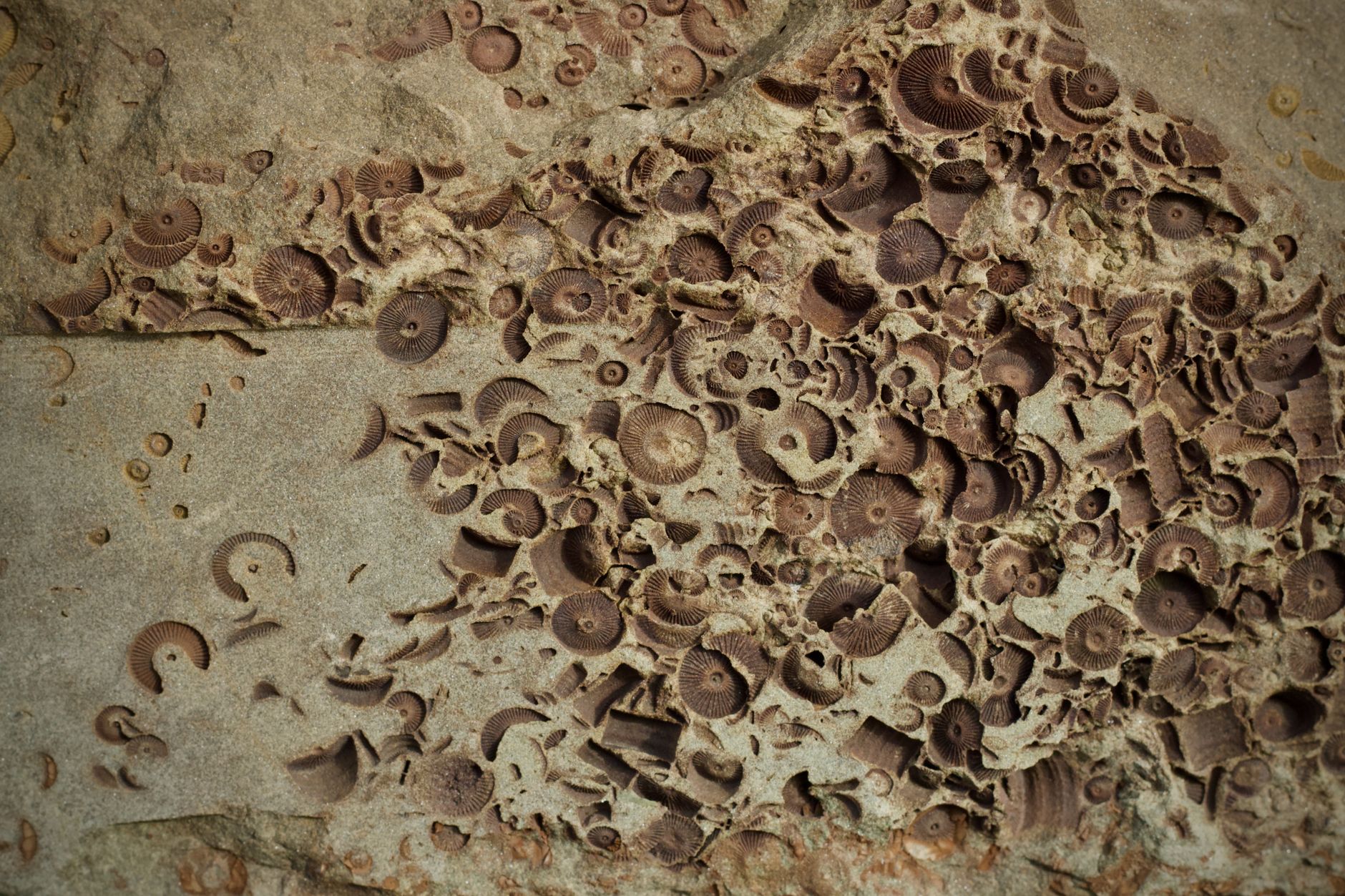
The collection of fossils, believed to be around two billion years old, offers a tantalising glimpse into the past. These fossils, unlike previously discovered microfossils, are large enough to be seen with the naked eye, hinting at a rich tapestry of life that existed well before the Cambrian explosion.
However, the question remains: how did these organisms survive if oxygen was not yet abundant? New theories propose that isolated pockets of oxygen, possibly produced by microbial mats, provided the necessary conditions for these early life forms to flourish. This challenges the conventional view that widespread atmospheric oxygen was a prerequisite for complex life.
Rethinking the Timeline
This fresh perspective on Earth's ancient history invites scientists to reconsider the sequence of events that led to the evolution of life. It underscores the complexity of geological processes and the need for a nuanced approach to interpreting ancient clues.
While the debate continues, one thing is clear: our planet's history is far more intricate than previously thought, and each new discovery adds to the intriguing puzzle of Earth's past.