An Island's Exodus: The 1961 Evacuation of Tristan da Cunha
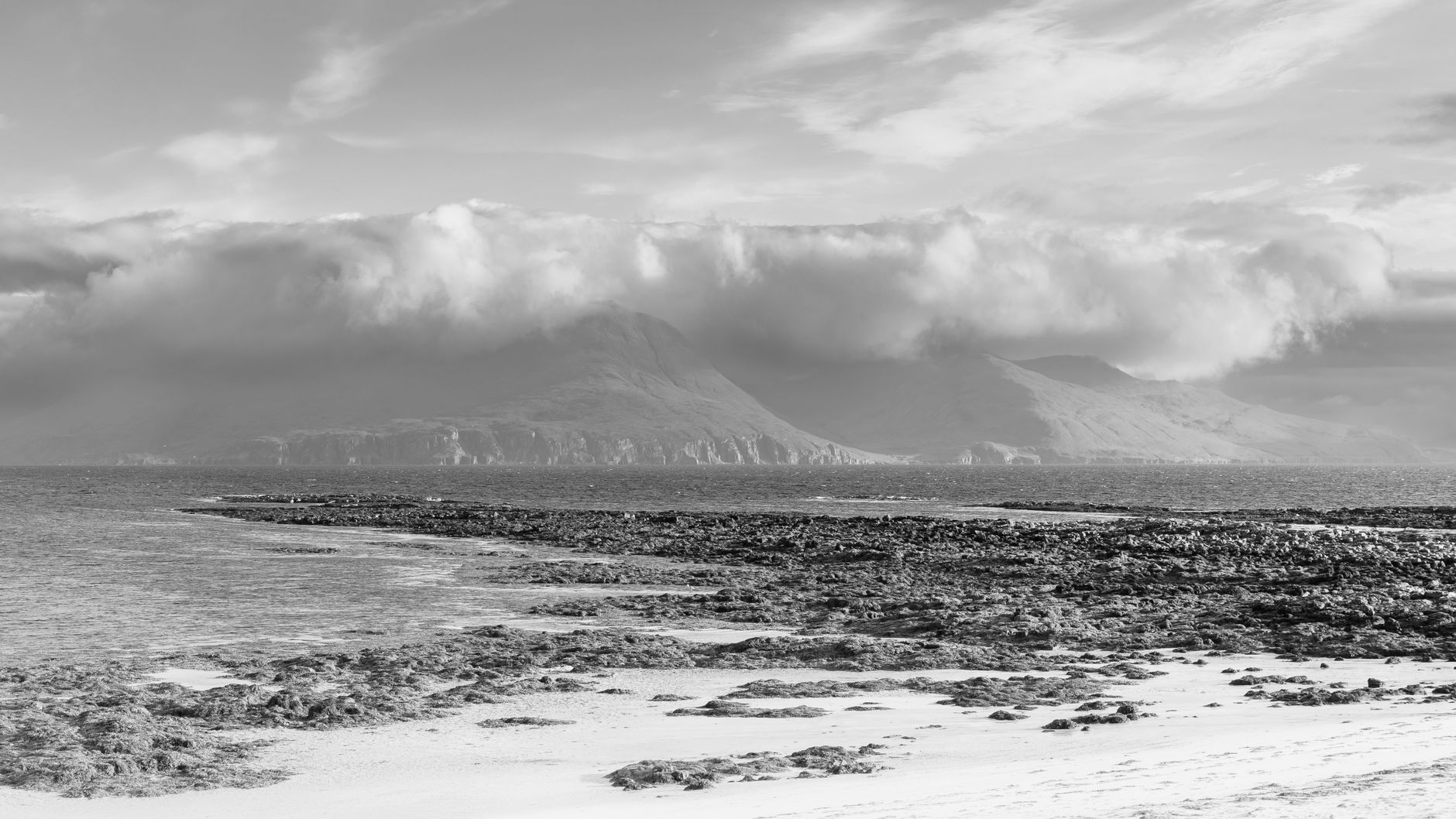
In the autumn of 1961, a volcanic eruption on the isolated island of Tristan da Cunha sparked an exodus like no other. Nestled in the South Atlantic Ocean, this tiny island was home to a community that had, until then, lived with scarcely any contact with the outside world. The eruption of Queen Mary's Peak forced its 242 residents to abandon their homes and seek refuge in the United Kingdom.
The islanders, descended from a mere seven families, had never encountered many of the everyday conveniences most Britons took for granted. Upon arrival, they found themselves bewildered by the hustle and bustle of modern life. Joey Repetto, one of the evacuees, told the BBC in 1963, "Here is too much gas and smoke," reflecting the stark contrast to their pristine island environment.
The Challenge of Adaptation
As they settled into their temporary homes in England, the Tristanians faced the daunting task of assimilating into a society that was as foreign to them as their own island was to the British. They encountered vehicles, televisions, and even bicycles for the first time, leading to a culture shock that was both profound and unsettling.
Their unique dialect and customs, shaped by centuries of isolation, added another layer of complexity to their integration. The islanders were determined to stay together, but the unfamiliarity of their new surroundings tested their resolve. Reporters at the time noted their reticence and longing for their remote home, a sentiment that underscored their sense of dislocation.
A Return to Solitude
Despite the initial challenges, the islanders' resilience shone through. By 1963, most of them had returned to Tristan da Cunha, when it was deemed safe again. Their brief encounter with the modern world left a lasting impression, yet it also reinforced their deep connection to their isolated home.
Today, Tristan da Cunha remains the most remote inhabited island on the planet, with its people maintaining a lifestyle that cherishes simplicity and community. The 1961 evacuation serves as a poignant reminder of the delicate balance between isolation and modernity, a narrative that resonates with the enduring human spirit.