Ancient Dinosaur Species Unearthed in Zimbabwe Reveals Evolutionary Secrets
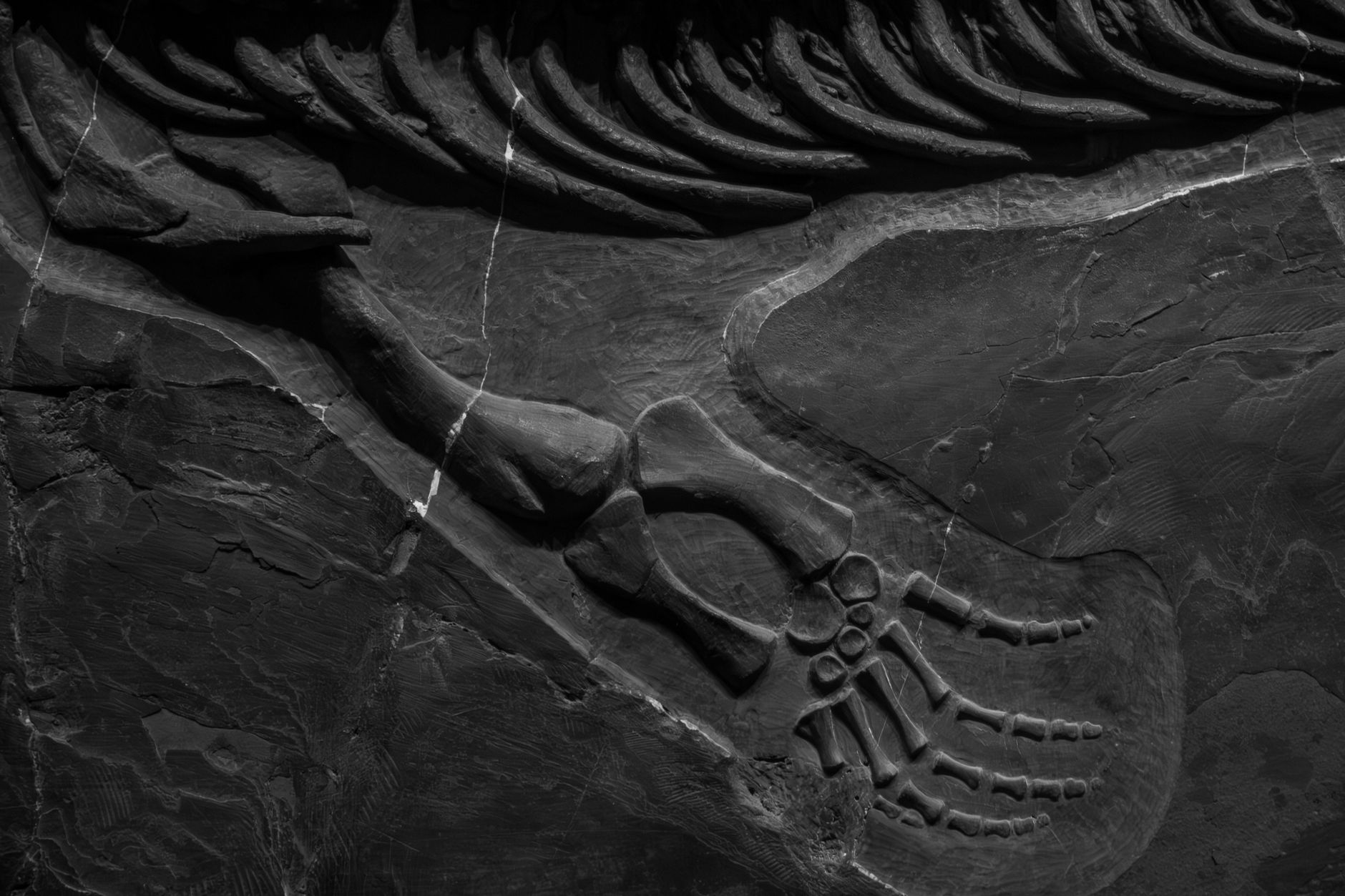
On the sun-drenched shores of Zimbabwe's Lake Kariba, a team of international scientists has uncovered a remarkable piece of the prehistoric puzzle. The newly discovered dinosaur species, named Musango matusadonaensis, roamed this region some 210 million years ago, during the Late Triassic period.
The significance of this find cannot be understated. It is only the fourth dinosaur species ever identified in Zimbabwe, a fact that underscores the untapped potential of southern Africa's palaeontological landscape. The discovery was the result of a collaborative effort involving experts from the UK, South Africa, and Zimbabwe, who meticulously pieced together the fossil fragments to reveal a creature that adds a crucial chapter to the story of dinosaur evolution.
Unveiling the Past
The fossils suggest that Musango matusadonaensis was a herbivorous dinosaur, contributing to the diversity of life forms that existed during its time. This discovery paints a vivid picture of prehistoric ecosystems in southern Africa, indicating a rich tapestry of life that thrived in distinct ecological niches.
Dr. Emily Jenkins, a palaeontologist from the University of Bristol, remarked, "This find challenges our preconceived notions about the distribution and diversity of dinosaurs in ancient Africa. It prompts us to reconsider the evolutionary dynamics that shaped these early giants."
A Broader Implication
The implications of this discovery extend beyond academic curiosity. It highlights the necessity of preserving and studying Africa's geological sites, which continue to yield invaluable insights into the planet's distant past. As researchers delve deeper, they anticipate unearthing even more species, potentially rewriting the narrative of dinosaur evolution on the continent.
The joint effort in unearthing Musango matusadonaensis exemplifies the importance of international collaboration in scientific discovery. As these ancient bones are studied further, their secrets will undoubtedly shed light on the complex web of life that once thrived where Lake Kariba now rests.
In the end, this discovery is not just about the past. It serves as a reminder of the wonders that still lie beneath the earth's surface, waiting to be discovered.