Ancient Earth Clue Misinterpreted: A Local Phenomenon Unveiled
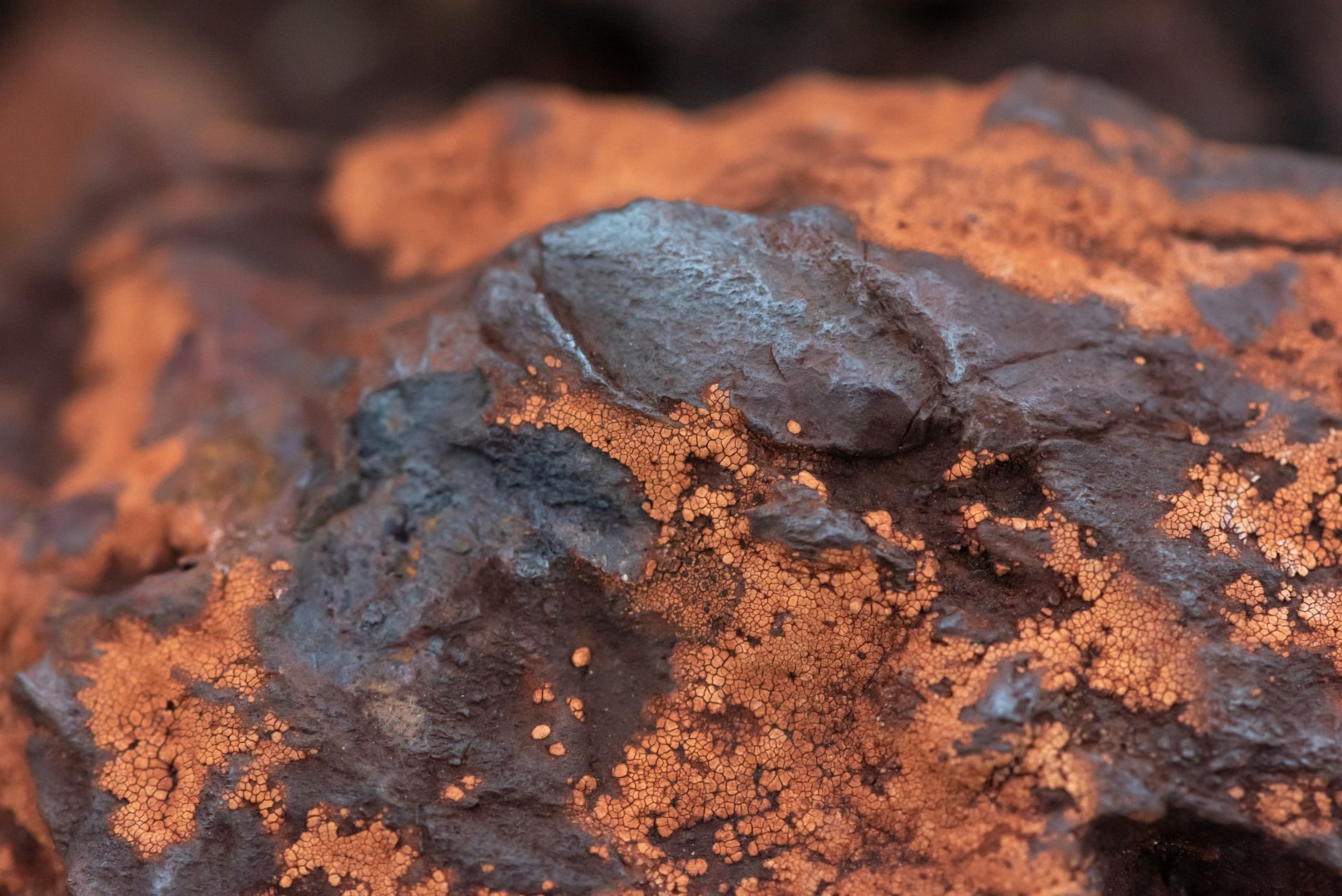
It is often said that the past is a foreign country, but when it comes to Earth’s ancient history, the past is an entirely different world. In a revelation that may upend decades of scientific understanding, researchers have suggested that a geological clue, long interpreted as evidence of a global carbon cycle disruption two billion years ago, might have been a more localised affair.
For years, scientists have pored over ancient rocks from regions like Russia and Gabon, deciphering traces of carbon and oxygen fluctuations. These suggested a global event known as the Great Oxidation Event, a period when oxygen first accumulated in the Earth’s atmosphere in significant quantities, supposedly altering the planet's chemistry on a global scale.
A Local Phenomenon?
However, a consortium of scientists from Europe, Gabon, and America is now challenging this narrative. Their research indicates that the ancient signals of oxygenation might not have been as widespread as once thought. Instead, they propose that these changes could have been localised, occurring in specific geographical settings where conditions were ripe for such transformations.
This new interpretation arises from meticulous studies of two-billion-year-old rock formations. By analysing isotopic compositions, the researchers argue that the oxygen rise could have been a patchy occurrence rather than a uniform blanket over the planet.
Implications for Earth's History
Why does this matter? If the oxygenation was indeed a localised phenomenon, it suggests that early Earth's environments were far more complex and variable than previously imagined. This could affect everything from our understanding of early life evolution to the way we model ancient climate systems.
Moreover, this discovery underscores the importance of regional studies in geology, a field often dominated by grand, global theories. It reminds us that local conditions can have profound effects, potentially rewriting significant chapters of our planet's history.
The research community remains intrigued but cautious. As with any new scientific hypothesis, further evidence and peer review will be necessary to cement this localised theory into the broader geological narrative. Nonetheless, this emerging perspective invites scientists to re-examine other assumed global events with a more critical, localised lens.