Ancient Indonesian Cave Art at Risk from Raging Wildfires
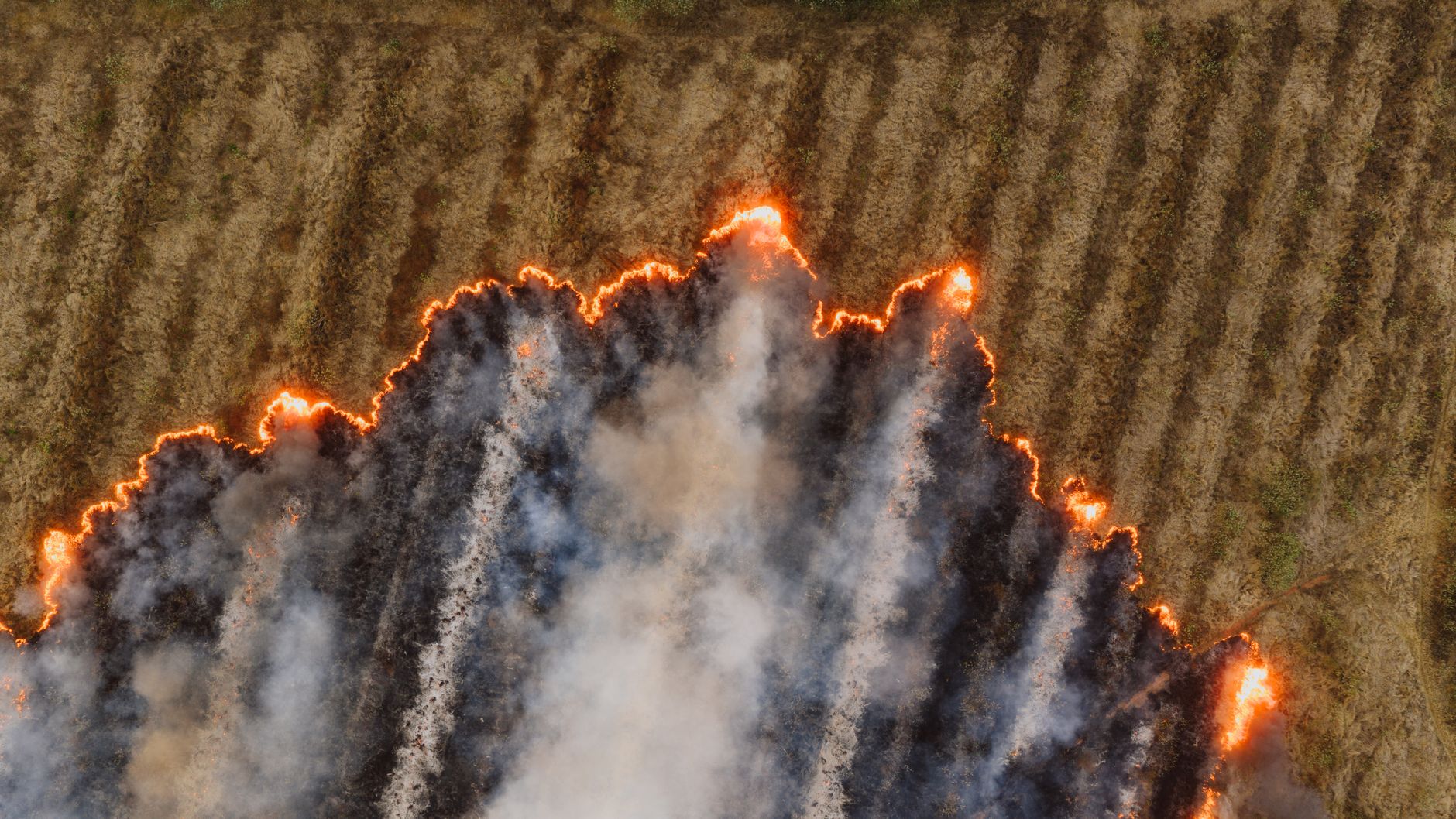
In the shadow of dense tropical forests, where the air hangs thick with the scent of burning vegetation, a cultural catastrophe looms ominously. The wildfires raging across Indonesia have now reached the island of Sulawesi, casting a dark pall over some of humanity's oldest artistic achievements.
These fires, fuelled by a lethal combination of deforestation, agricultural practices, and climate change, threaten the limestone caves that house paintings as ancient as 67,000 years. Amongst the treasures endangered is the world's oldest known figurative art: a life-sized depiction of a wild pig, its form captured in mulberry-hued pigment on the cave walls.
A Cultural and Environmental Crisis
The significance of these artworks extends far beyond their aesthetic value. They offer a glimpse into the cognitive and cultural evolution of early humans, serving as a testament to the sophisticated thought processes of our ancestors. The survival of these paintings is not just an Indonesian concern but a global one, reflecting a shared heritage that could be lost to the flames.
Climate experts have long warned about the increased frequency and intensity of wildfires, a phenomenon exacerbated by rising global temperatures. In Indonesia, the dry season, which traditionally spans June to October, has become hotter and more prolonged, creating a tinderbox situation in many regions.
Local and Global Implications
Efforts to combat the fires are underway, with local authorities and international organisations scrambling to protect these irreplaceable sites. However, the challenges are immense, requiring coordination and resources that are often stretched thin.
The potential destruction of Sulawesi's cave paintings would not only be a cultural loss but also a stark reminder of the tangible impacts of climate change. It underscores the urgency for collective global action to mitigate environmental damage and preserve our shared history for future generations.