India's Cities Dominate Global Pollution Rankings
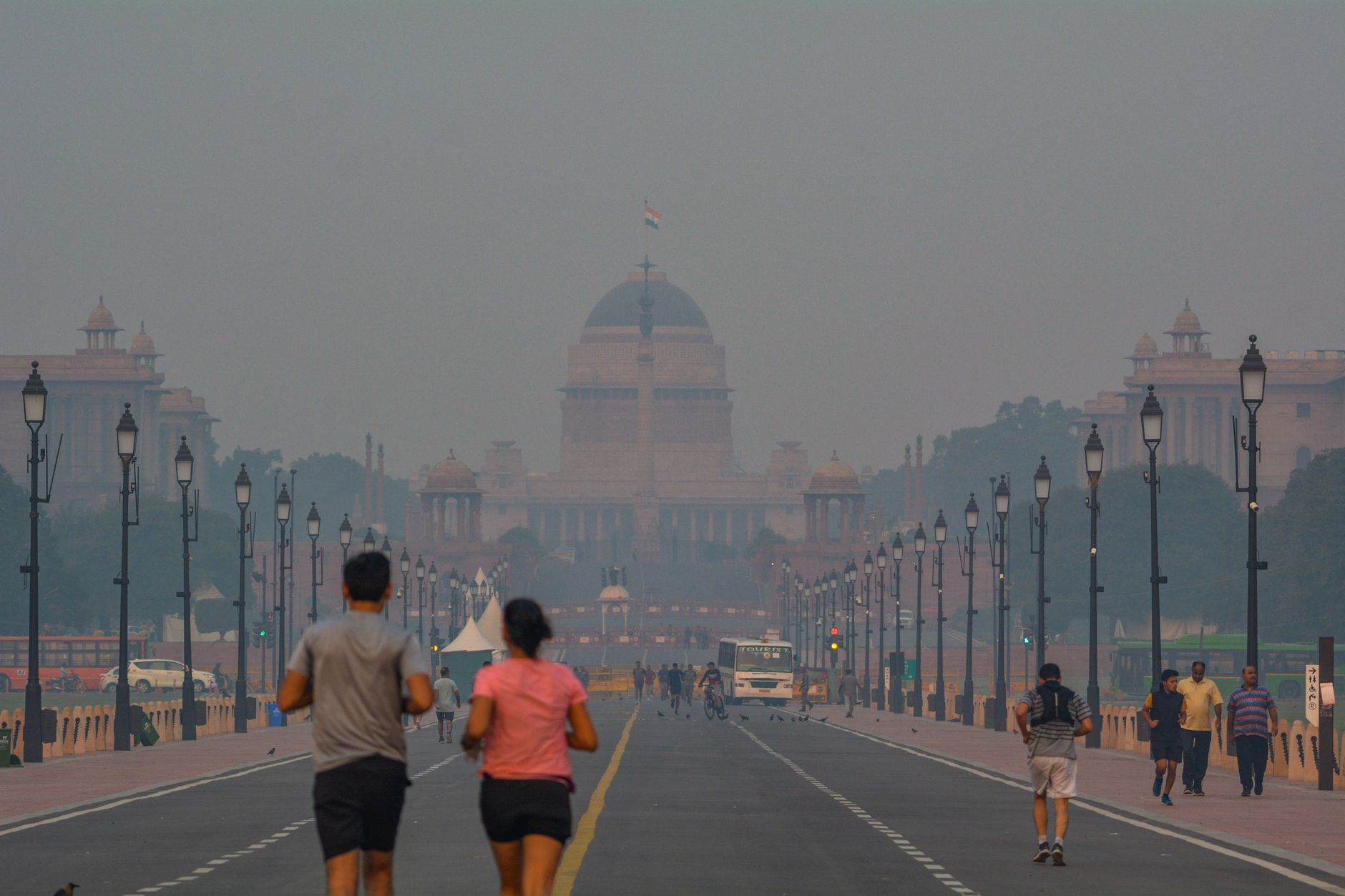
In a sobering reminder of the environmental challenges facing South Asia, the latest air quality rankings reveal that 22 of the world's 25 most polluted cities are located in India. The capital, Delhi, occupies the unenviable position of being the sixth most polluted city globally, underscoring the severity of the air quality crisis.
The data, compiled by the World Health Organization, measures PM2.5 concentrations, which are fine particulate matter linked to severe health issues, including respiratory and cardiovascular diseases. Delhi's ranking, though not a surprise, serves as a stark indicator of the air pollution epidemic that plagues the nation.
Why Delhi's Air Remains Hazardous
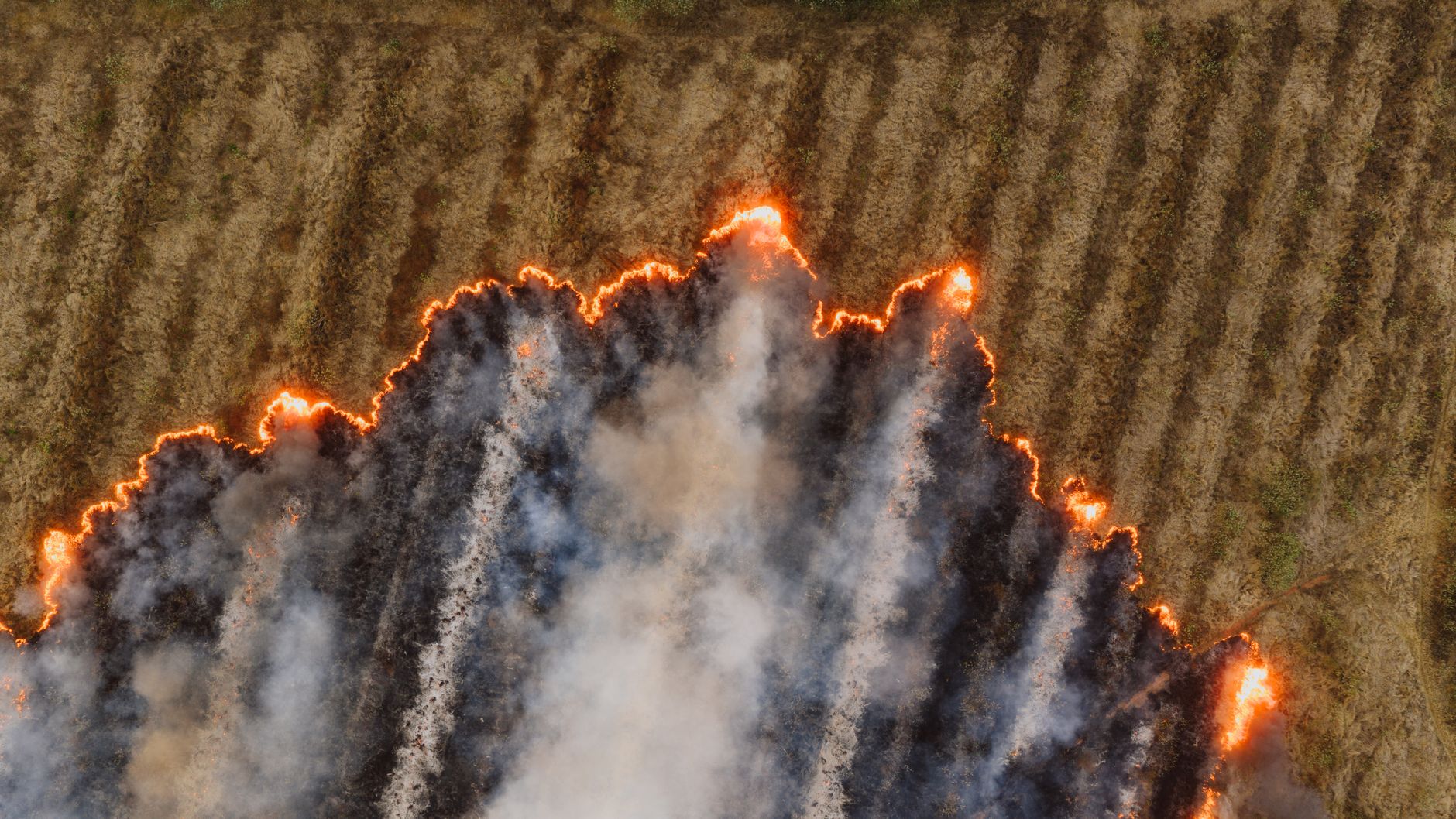
Delhi, a bustling metropolis of over 20 million people, has struggled with air pollution for years. The city's air quality typically deteriorates during the winter months, exacerbated by agricultural stubble burning in neighbouring states, vehicular emissions, and industrial activities. Despite efforts to curb these emissions, the city's air remains hazardous, posing a significant risk to public health.
While Delhi is frequently highlighted, it's crucial to note that other Indian cities, such as Kanpur, Varanasi, and Gaya, also feature prominently on the list. These cities suffer from similar pollution sources, indicating that the issue is not confined to the capital alone.
Urgency of Policy Intervention
The persistent air quality issues require immediate and aggressive policy interventions. Experts advocate for stricter regulations on industrial emissions, enhanced public transport systems to reduce vehicular pollution, and incentives for cleaner energy adoption. Moreover, regional cooperation is essential, as pollution often transcends city borders.
India's dominance in the pollution rankings is a wake-up call for government authorities and citizens alike. The health implications are profound, with studies linking poor air quality to reduced life expectancy and increased morbidity rates.
As the world watches, the urgency for India to tackle its pollution problem has never been greater. The question remains: will this be the catalyst for change, or yet another chapter in the ongoing saga of environmental neglect?