Anna Hazare's Legacy Shapes Modern Political Protests in India
In the bustling corridors of Indian politics, echoes of Anna Hazare’s campaigns continue to reverberate, influencing the course of modern protests. The recent CJP demonstration is a testament to the enduring legacy of Hazare's non-violent approach to activism and governance.
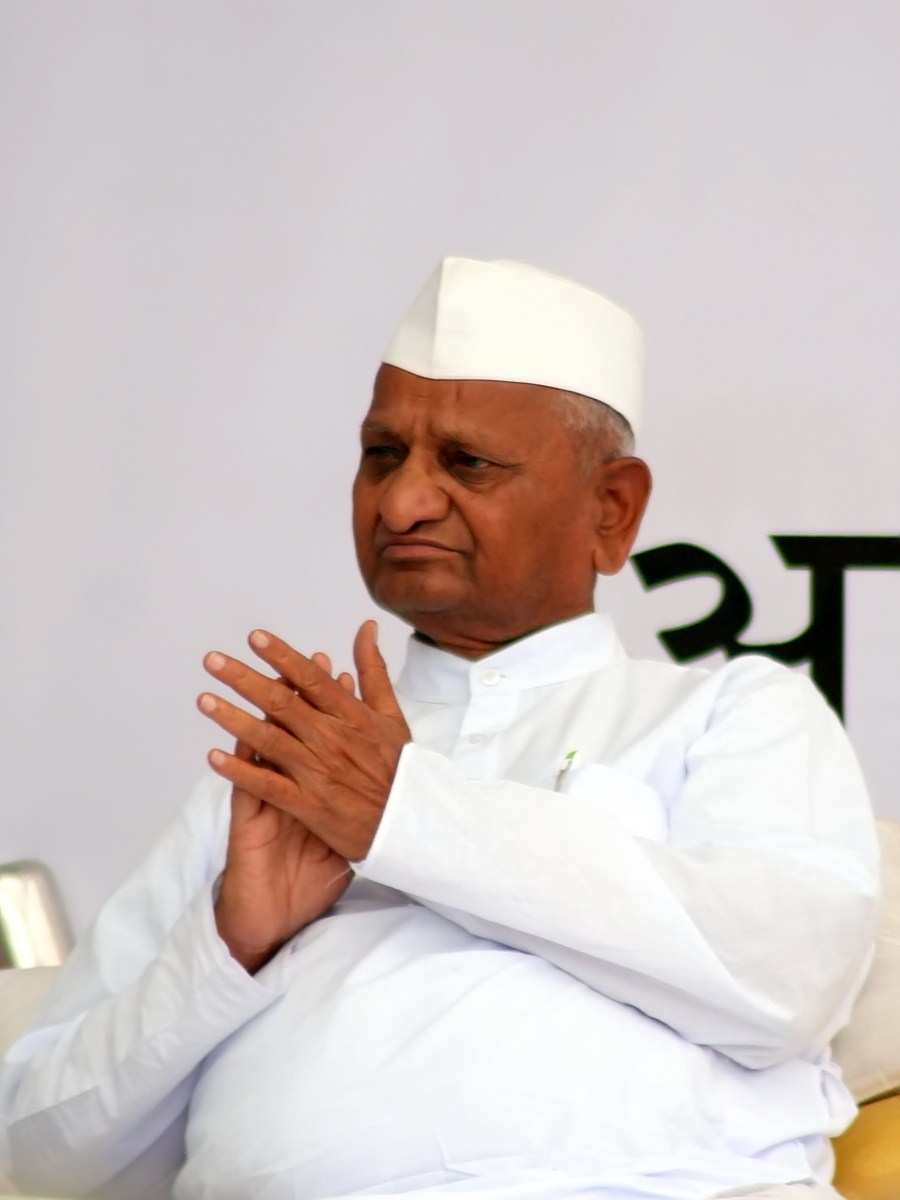
Anna Hazare, a name synonymous with anti-corruption and transparency, has shaped the manner in which public dissent is wielded in India. His 2011 hunger strike brought the nation to a standstill, drawing attention to the Jan Lokpal Bill and rallying citizens across the country. This successful mobilisation showcased the power of peaceful protest, setting a precedent for future movements.
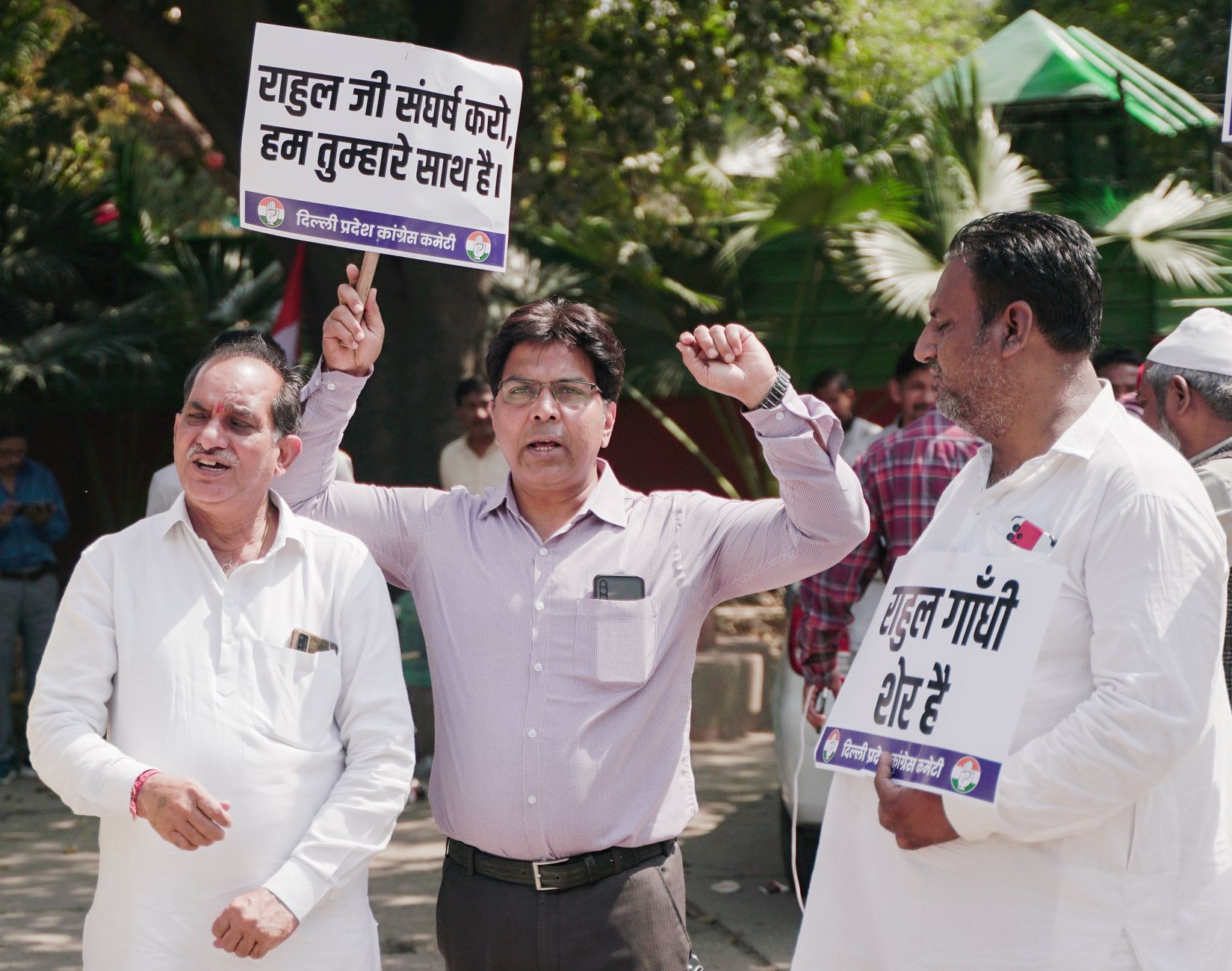
Monday’s CJP protest, which saw thousands take to the streets, bears resemblance to some of the largest mass mobilisations in Delhi, reminiscent of the fervour seen during the Nirbhaya protests and the anti-CAA demonstrations. Organisers of these protests have clearly taken a leaf out of Hazare’s book, focusing on non-violent resistance and the strategic use of public spaces to amplify their message.
The Hazare Influence
Political analysts suggest that the methods employed by protestors today are deeply informed by the tactics Hazare popularised. His emphasis on dialogue with the government, transparency, and public accountability has become a cornerstone for activists. The CJP protest, much like Hazare’s, calls for governmental introspection and reform, particularly in areas where citizens feel their rights are compromised.
Moreover, the political response to such protests has also evolved. The government, having witnessed the massive public support Hazare garnered, has been more cautious in its approach, often opting for dialogue over confrontation. This shift reflects a broader understanding of the power dynamics at play in a democracy that thrives on public participation.
A Continuing Tradition
While times have changed, the core principles of Hazare's activism remain relevant. As seen with the CJP protest, the ability to galvanise public support without resorting to violence is a powerful tool for change. As India continues to grapple with its complex socio-political landscape, the legacy of Anna Hazare offers a guiding light for both activists and policymakers.
In a nation where the right to protest is a cherished democratic value, the teachings of Hazare remind us that change is often born from patience, persistence, and peaceful resistance.