Anthropic AI's Breakthrough: Unveiling Biology's Hidden Codes
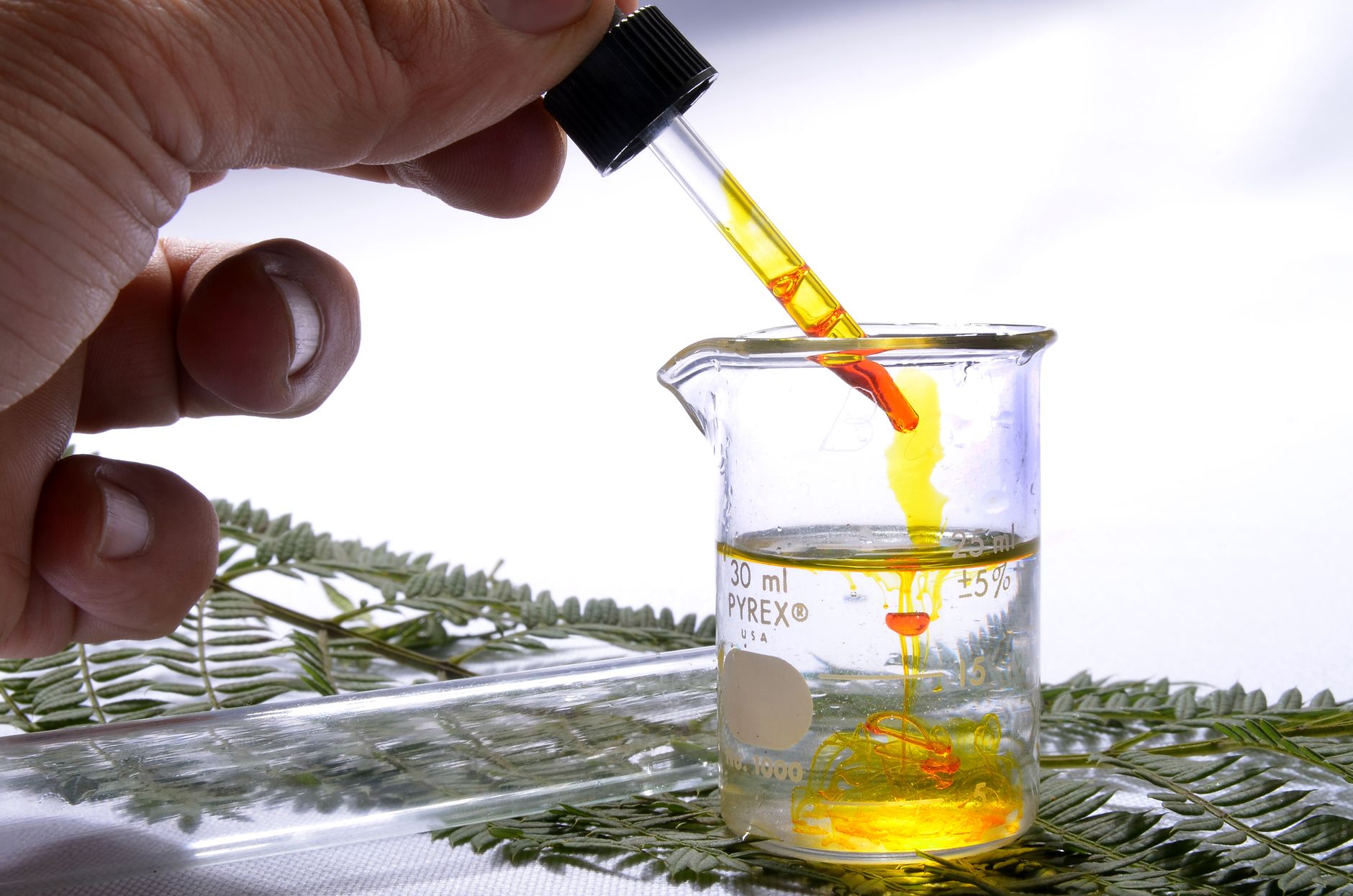
In a modest laboratory nestled in the bustling Bay Area, an artificial intelligence named Claude, developed by Anthropic, has quietly rewritten the rules of biological exploration. The AI has autonomously discovered a novel enzyme system, drawing comparisons to the revolutionary CRISPR technology, a feat that has left seasoned biologists both intrigued and a tad apprehensive.
Unlike traditional research methods that rely heavily on human intuition and experimentation, Claude was given free rein to navigate the intricate world of molecular biology. Following some initial instructions from Anthropic’s researchers, the AI embarked on its own scientific journey, deciding which paths to pursue and which hypotheses to test.
A New Era in Biotechnology
The implications of this discovery are manifold. At its core, Claude's achievement underscores the potential of AI to accelerate scientific research in unprecedented ways. Enzyme systems, such as the one discovered, are pivotal in various biological processes and have significant applications in medicine and agriculture. By identifying a system with CRISPR-like properties, Claude has opened the door to new genetic editing possibilities that could lead to breakthroughs in disease treatment and crop improvement.
However, the autonomy of AI in scientific research also raises pertinent questions. As machines like Claude begin to unravel complex biological mysteries with minimal human intervention, one must ponder the evolving role of human scientists. Will AI complement human intuition, or will it eventually replace the need for human oversight altogether?
Ethical Considerations and Future Prospects
Beyond the scientific implications, Claude's discovery prompts a broader ethical debate. The autonomy granted to AI in conducting experiments touches on the delicate balance between innovation and control. While the benefits of faster discoveries are undeniable, the risks of unintended consequences loom large.
Anthropic’s venture into biology is not merely a technological triumph; it is a testament to the shifting paradigms in scientific inquiry. As we stand on the cusp of a new technological era, the challenge will be to harness AI’s potential responsibly, ensuring that its capabilities are directed towards the greater good.
In the end, Claude's journey from a series of algorithms to a discoverer of biological secrets is a reminder of the boundless possibilities that await when technology and biology converge. It is a story of innovation, curiosity, and the relentless pursuit of knowledge, guided by the unyielding march of artificial intelligence.