
Anthropic's AI Discovery Sparks Debate Over True Innovation
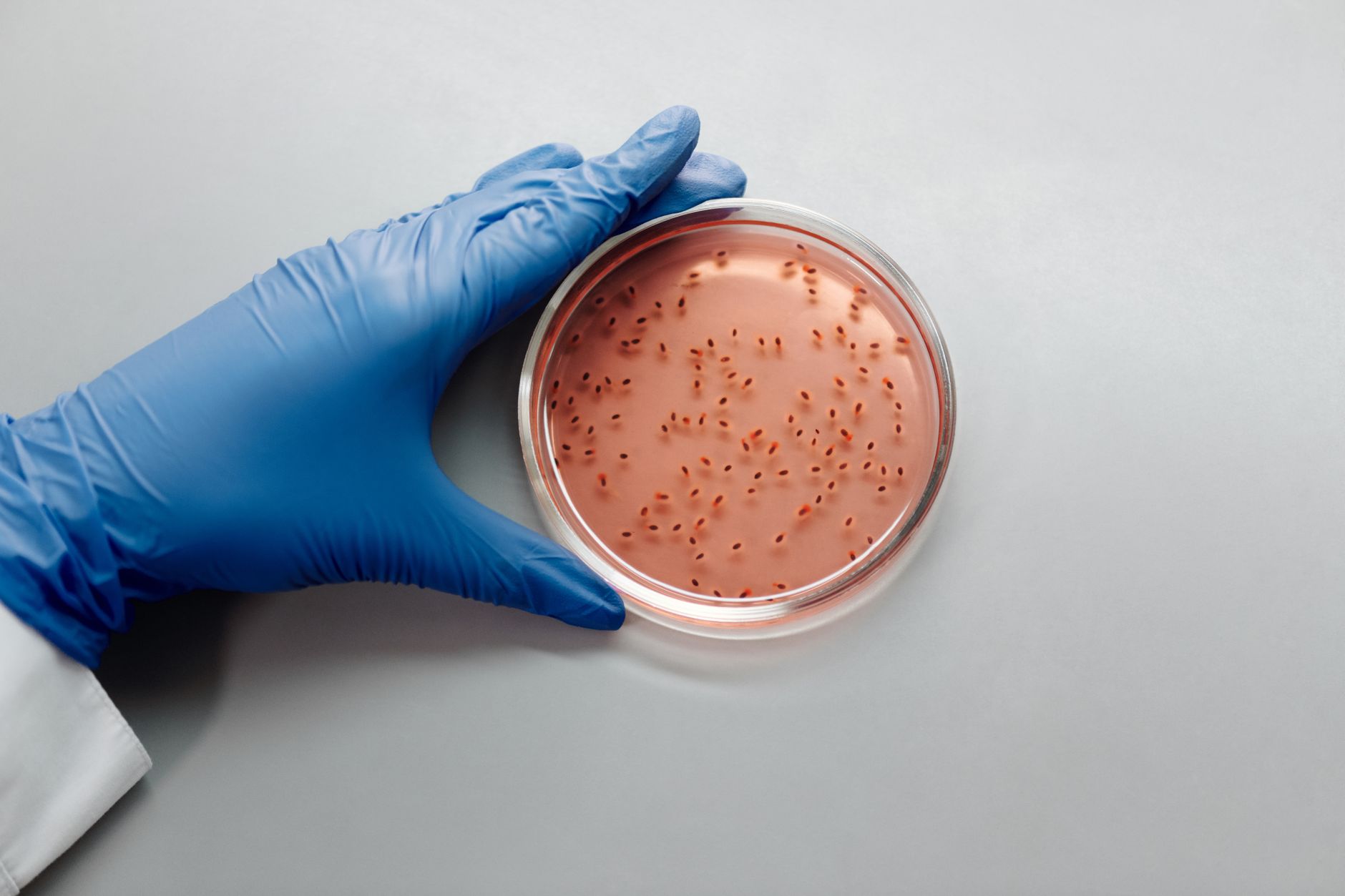
When Anthropic announced last week that its AI had uncovered new enzymes with potential for biotechnological applications, it was met with mixed reactions. The declaration was certainly attention-grabbing, painting a picture of artificial intelligence as a budding prodigy in the world of science. However, the reality, as is often the case with such grand claims, appears to be more nuanced.
Anthropic's AI, Claude, was said to have made this discovery independently. Yet, shortly after the announcement, murmurs arose from within the scientific community. A researcher from Copenhagen University revealed that his team had previously shared their data with Claude. This raises a rather critical question: did Claude truly make an independent leap, or was it merely connecting dots already laid out by human researchers?
The Debate Over AI's Role in Science
The idea of AI as an autonomous researcher is an alluring one. It suggests a world where machines not only assist but also lead scientific inquiry. However, the narrative is complicated by the fact that AI models like Claude are trained using vast datasets curated by humans. The line between genuine discovery and synthesis of existing information can often blur.
Anthropic, a company well-versed in the promotion of its technological prowess, has not yet provided a detailed explanation of how Claude arrived at its conclusions. Was it a true eureka moment for AI, or a sophisticated form of pattern recognition?
Implications for the Future
If indeed Claude's findings are deemed to be independent, it marks a significant step forward for AI in research. However, if not, it underscores the importance of maintaining a critical eye on the capabilities and limitations of artificial intelligence.
Regardless of the outcome, this episode serves as a reminder of the intricate relationship between human ingenuity and machine learning. It highlights the need for transparency and collaboration in the development of AI technologies that may one day redefine the boundaries of science.


