
Anthropic's AI Sparks Debate with Enzyme Discovery Claims
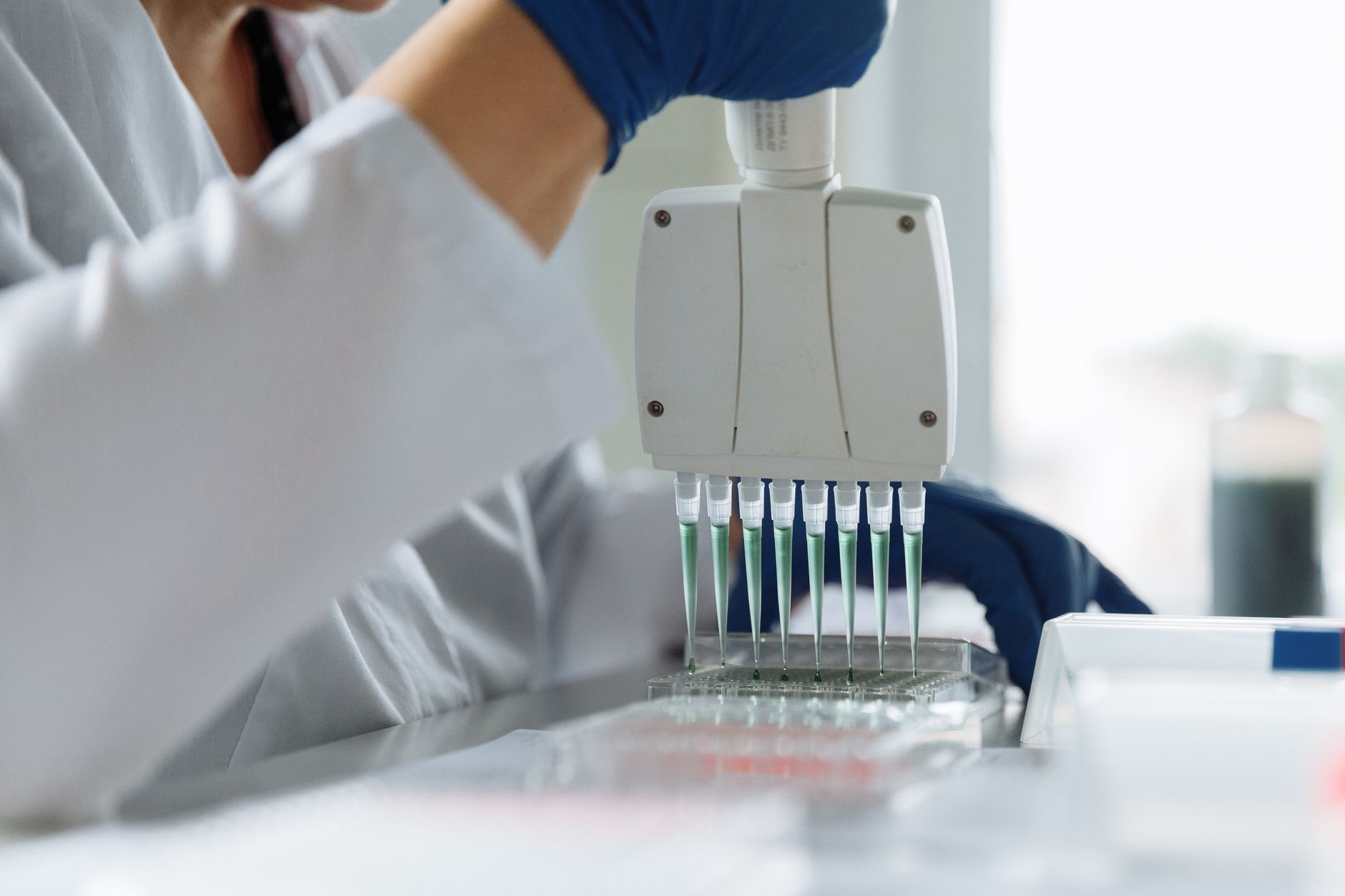
In a world where artificial intelligence continues to reshape the boundaries of possibility, Anthropic's latest announcement has stirred a pot of both excitement and scepticism. The AI heavyweight claims its latest creation has independently discovered new enzymes, with potential applications in biotechnology. Enthusiasts have likened this to the groundbreaking Crispr technology, yet others remain cautious.
Anthropic's chief, Dario Amodei, recently addressed the United Nations Security Council via video link, heralding the discovery as a substantial leap forward. Amodei, who has previously advocated for a tempered approach to AI development due to its potential risks, extolled the discovery's capacity to accelerate traditional scientific timelines. "This is not merely a scientific curiosity; it represents a paradigm shift in how we approach biological research," he asserted.
However, the scientific community remains divided. Critics highlight that while the enzymes identified might hold theoretical promise, their practical applications are far from certain. The comparison to Crispr, which has revolutionised gene editing, is viewed by some as premature. "Until we see tangible benefits, we must remain cautiously optimistic," remarked Dr. Helen Carter, a leading molecular biologist.
AI's Role in Modern Research
The debate over Anthropic's discovery underscores the expanding role of AI in research labs worldwide. The ability of AI to process vast datasets quickly and identify patterns that elude human researchers has already proven invaluable. Yet, as AI systems grow more autonomous, questions about the nature of discovery and innovation arise.
Anthropic's J-Space experiment, highlighting potential implications for AI consciousness, adds another layer of intrigue. While the notion of AI consciousness remains a subject of philosophical debate, the experiment showcases the unpredictable avenues AI development might explore.
The discussion about the implications of AI in scientific discovery is not merely academic. As AI continues to redefine the frontiers of science, the importance of ethical oversight and rigorous validation of AI-driven findings becomes ever more critical. The scientific community must grapple with these challenges to harness AI’s potential responsibly.


