Antimicrobial Resistance: A Growing Environmental Challenge
In the quiet ebb and flow of rivers and streams, a silent threat lurks — antimicrobial resistance (AMR). While the world grapples with the direct consequences of resistant infections in hospitals, the environmental dimension of AMR is often overlooked. Yet, it is here, in the soil and water, that resistant bacteria find a breeding ground, amplified by human activity.
Antimicrobial resistance is not merely a concern for the medical field. Environmental systems, impacted by antibiotics and resistant bacteria, become key reservoirs where microbial interactions and horizontal gene transfer (HGT) lead to an increase in resistance. The consequences of this phenomenon are far-reaching, potentially affecting global food security and biodiversity.
One of the primary environmental conduits for AMR is agricultural runoff. Pesticides and fertilisers, laden with antibiotic residues, seep into waterways, facilitating the persistence and movement of resistance determinants. This not only affects aquatic life but also poses a risk to human populations dependent on these water sources.
The Role of Surveillance and Mitigation
Recognising the scale of the issue, scientists and policymakers are advocating for a comprehensive approach under the 'One Health' framework. This initiative emphasises the interconnectedness of human, animal, and environmental health. It calls for enhanced surveillance systems to track resistance patterns and the development of robust mitigation strategies.
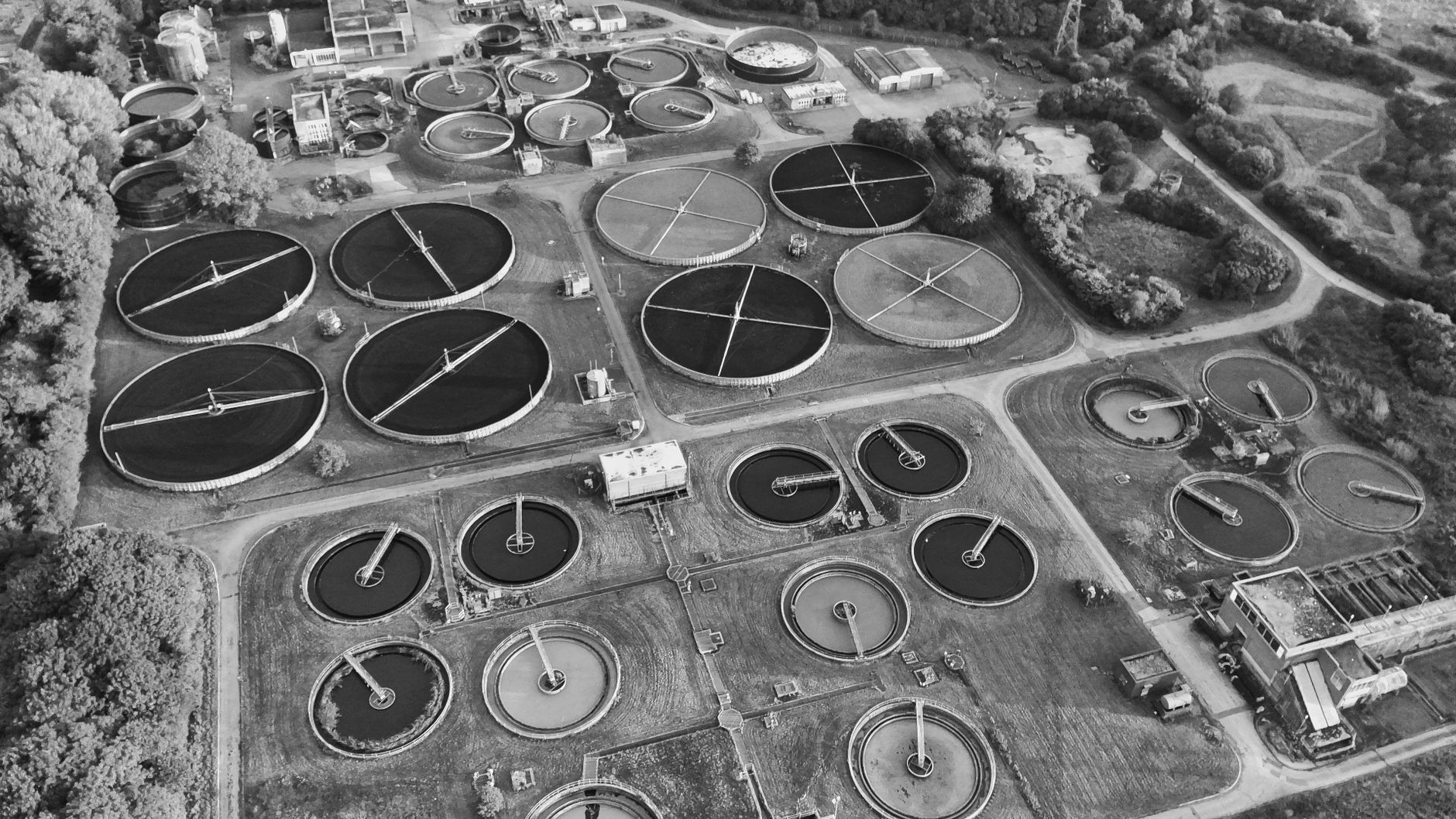
Advanced wastewater treatment processes are at the forefront of these strategies. By eliminating antimicrobial compounds and resistance genes, these processes aim to reduce the environmental reservoirs of resistant bacteria. Innovations such as advanced oxidation methods and the use of nanomaterials are also being explored to target specific resistance determinants.
A Call for Global Action
Despite these efforts, the challenge remains daunting. The spread of AMR in the environment is a global issue requiring coordinated international action. Policymakers must prioritise investment in research and development to devise sustainable solutions. Moreover, public awareness campaigns are crucial to educate communities about the prudent use of antibiotics and the importance of environmental conservation.
The battle against antimicrobial resistance is far from over. However, by turning our attention to the often-ignored environmental aspect, we take a crucial step towards safeguarding the health of our planet and its inhabitants.