Apple Ordered to Pay $5.7 Billion for Patent Infringement
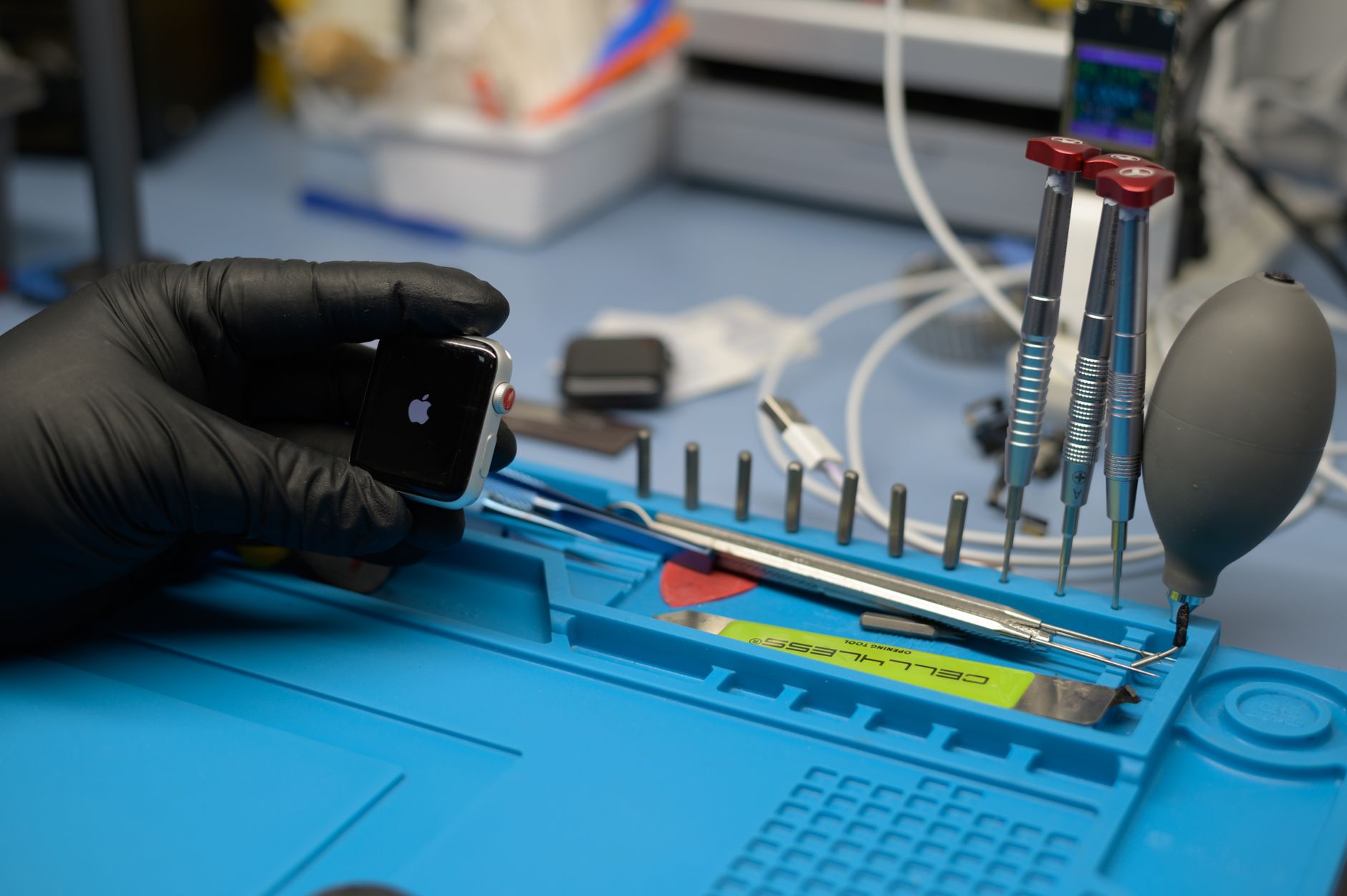
In a verdict that has sent ripples through the technology sector, Apple has been directed by a US federal jury to pay $5.7 billion to Taction Technology. The ruling, which emerged late on Friday, found that Apple's Taptic Engine — a key component in delivering haptic feedback on iPhones and Apple Watches — infringed upon two patents held by Taction.
The lawsuit, initiated by Taction in 2021, spotlighted the intricacies of patent law in the tech industry. Taction, known for its pioneering work in haptic feedback systems used in headphones and gaming devices, claimed that Apple had borrowed its patented technology without permission. Apple, however, has staunchly denied these allegations, asserting that its Taptic Engine is fundamentally different from Taction's inventions.
Apple's Response
In the aftermath of the ruling, Apple issued a statement expressing its intent to appeal the decision. 'Apple does not use Taction’s technology,' the company declared, emphasising that Taction's own tests during the trial had confirmed this. Apple maintained that the patents in question were invalid, hinting at a protracted legal battle ahead.
Taction, on the other hand, hailed the jury's decision as a validation of its intellectual property rights. The company stated that the verdict underscored the importance of protecting innovation, especially in a rapidly evolving technological landscape.
Implications for the Tech Industry
This ruling marks one of the largest financial penalties in recent years concerning patent infringement in the tech industry. It highlights the ongoing tensions between technology giants and smaller firms over intellectual property rights. As Apple prepares to challenge the ruling, the case is likely to become a touchstone for future patent disputes in the sector.
The outcome of Apple's appeal could have far-reaching consequences, not just for the company itself but for the tech industry at large. It serves as a reminder of the delicate balance between innovation and legal boundaries that technology companies must navigate.