Archivers of Student Protests Face Doxxing and Threats
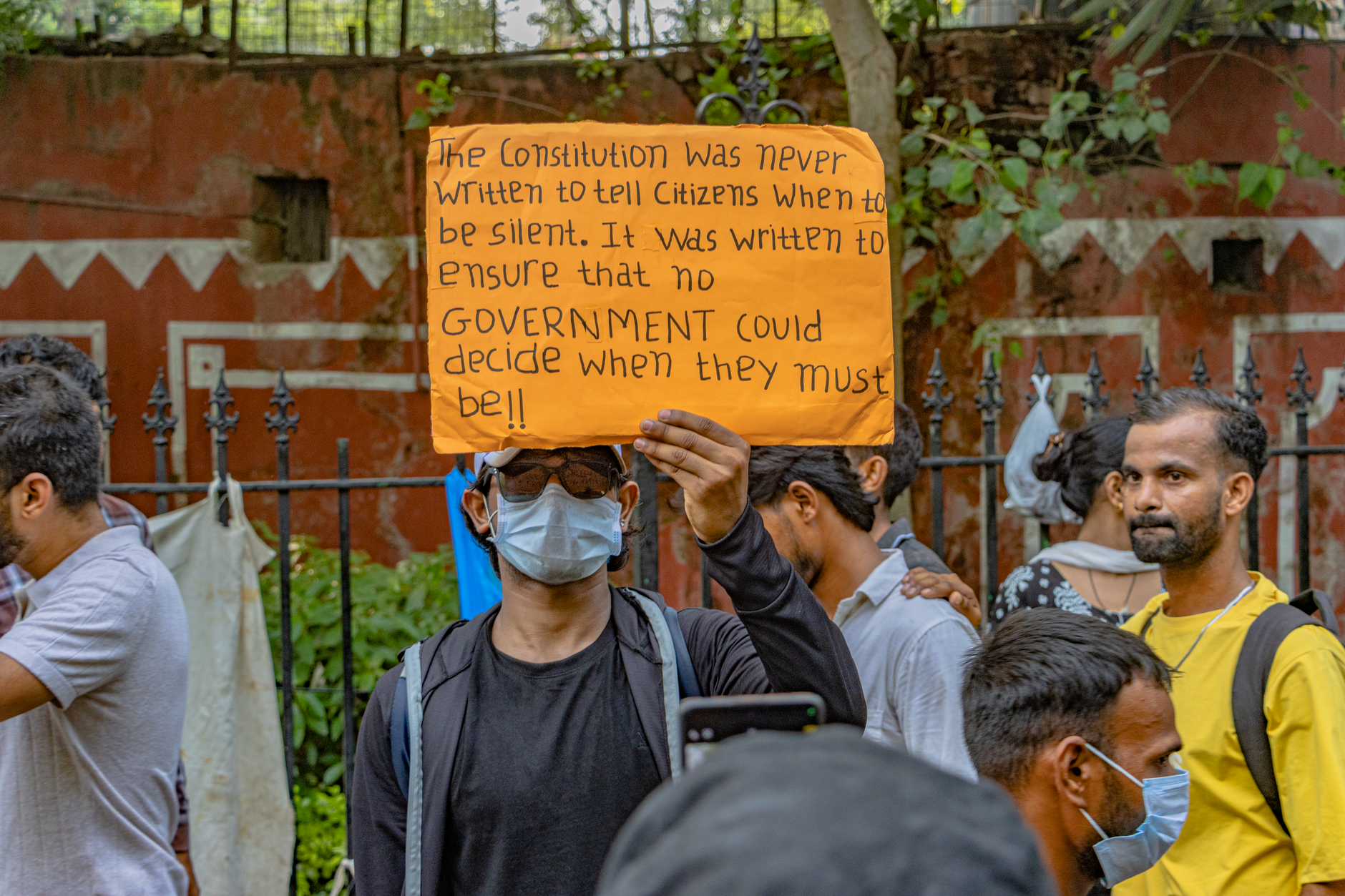
In the age of digital activism, two men have found themselves at the sharp end of an increasingly hostile online environment. Their crime? Documenting and archiving the recent wave of student protests sweeping across India. The pair, one based in Gujarat and the other in Delhi, have been doxxed, with their personal information disseminated online, followed by threats of police action.
This alarming development seems designed to stifle dissent and discourage others from documenting the protests. It's a stark reminder of the risks faced by those who dare to chronicle the realities of dissent in India today.
The student protests, primarily centred in Delhi, have garnered significant attention both domestically and internationally. They have become a symbol of youthful defiance against entrenched systems. However, alongside this visibility comes increased scrutiny, and for some, grave consequences. Social media platforms have reportedly marked protest-related content as "sensitive," further complicating efforts to share unfiltered narratives.
These tactics of intimidation are not new. Women involved in the protests have previously reported severe online harassment, including rape threats and the dissemination of doctored images. These insidious strategies aim to undermine the resolve of protesters and their supporters, forcing many to reconsider their participation.
The broader implications of these actions are concerning. They highlight a growing trend of using personal information as a weapon to deter political activism. As the lines between online and offline life blur, the threat of digital doxxing looms large over activists worldwide.
In response, rights organisations and activists are calling for stronger protections for those documenting protests. They argue that the ability to record and share protest activities is crucial for holding authorities accountable and safeguarding democratic freedoms.
While the future of these two men remains uncertain, their plight underscores a pressing need for dialogue on the protection of digital rights and the safety of those engaged in activism. As the battle for the narrative continues, the stakes have never been higher.