Arctic Ice Melt: A Halt in Season Extension Brings New Questions
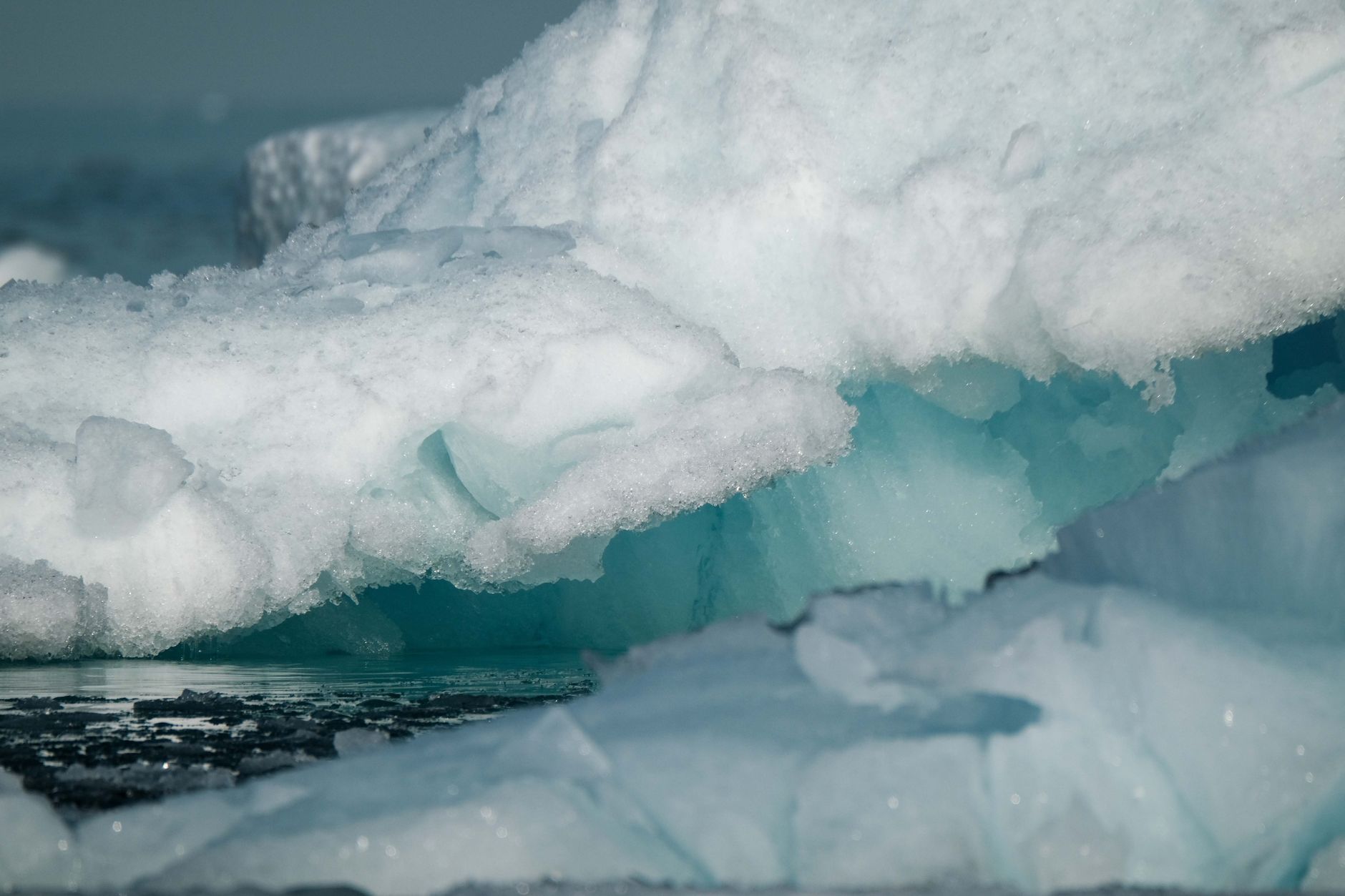
The Arctic, often dubbed the planet's early warning system, has long been the harbinger of climate change's most tangible impacts. For decades, scientists observed the Arctic ice melt season inching forward, stretching by about 40 days from 1979 to 2010. Yet, in a twist of nature's script, this relentless advance has apparently stalled since then.
Despite the unyielding rise in global temperatures, the average length of the melt season has shown little change over the past decade. This pause, while providing a temporary respite from the ominous predictions of ever-extending melts, presents a conundrum for climate scientists.
The Role of Clouds and Sunlight
Researchers suggest that this unexpected stabilisation might be linked to cloud cover and its influence on solar radiation. Clouds can act as a double-edged sword—trapping heat beneath them yet also reflecting solar energy back into space. The delicate dance between these effects could be contributing to the observed plateau in melt season length.
Such insights highlight the complexity of the Arctic's climate system, where myriad factors interplay to produce outcomes that defy simple explanations. It serves as a reminder that while trends can guide predictions, the natural world often retains an element of unpredictability.
Implications for Climate Indicators
The extent of Arctic sea ice is a sensitive indicator of global climate health. Its fluctuations are not just numbers on a chart but reflections of broader environmental dynamics. A stable melt season, albeit temporary, could influence predictions about future ice cover and, by extension, global sea levels.
While some may find solace in this pause, experts caution against complacency. The Arctic remains a region of profound change, with the underlying drivers of ice melt still active. As scientists continue to unravel the intricacies of these processes, the need for comprehensive climate action remains as urgent as ever.