Are Organic Eggs Really Worse for the Climate?
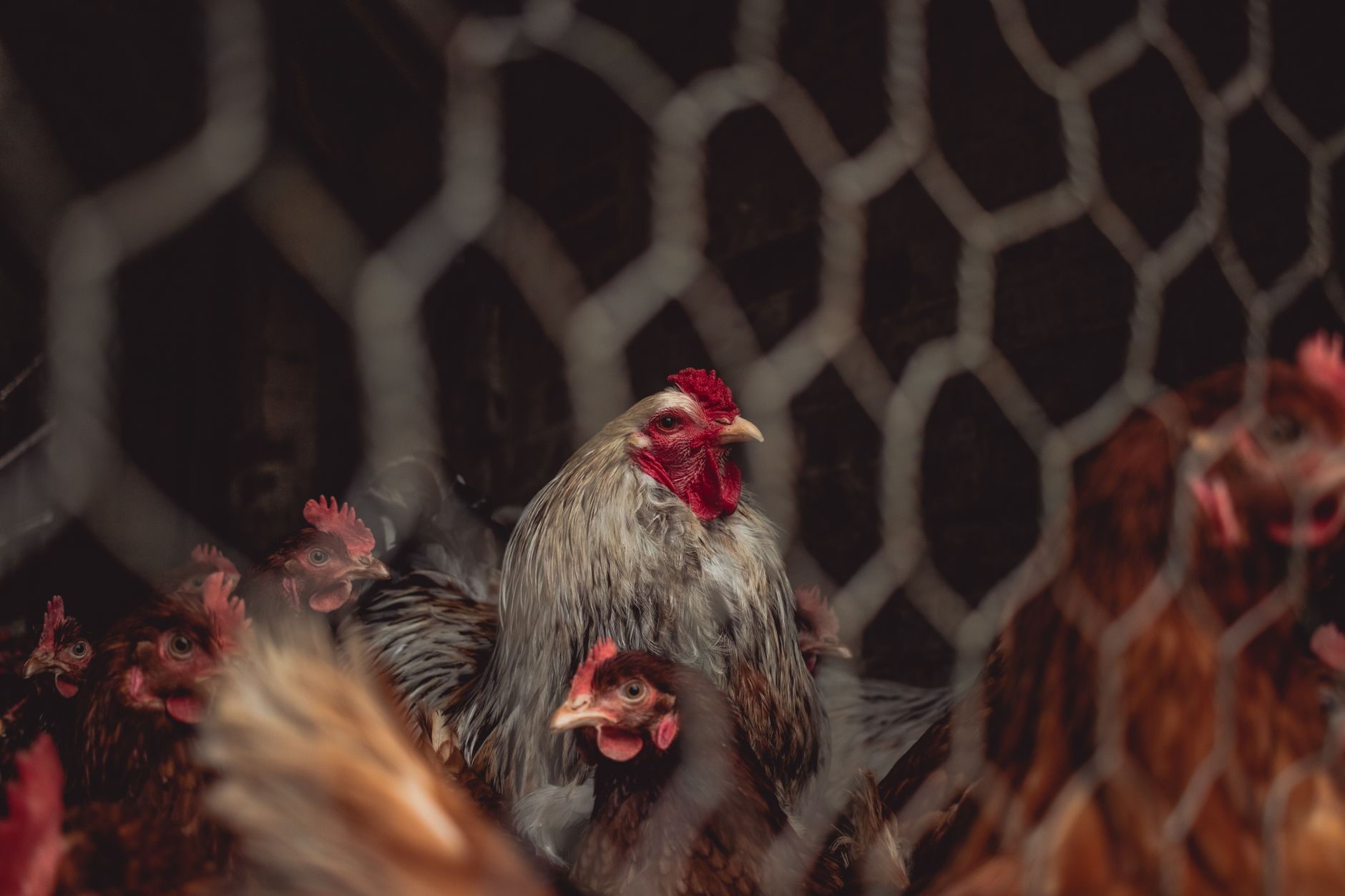
In an unexpected twist for environmentally conscious consumers, new research indicates that organic eggs might, in fact, be more detrimental to the climate compared to their caged counterparts. The study, published in Royal Society Open Science, highlights the paradox within the organic farming ethos, often lauded for its sustainable practices.
The crux of the matter lies in the efficiency—or lack thereof—of organic egg production. Organic farms, adhering to stringent animal welfare standards, require more hens to produce the same quantity of eggs as caged systems. This is largely due to the increased space provided to each bird, which, while improving their quality of life, also leads to higher mortality and lower productivity.
The Efficiency Debate
Caged hens, though often criticised for their confined living conditions, are remarkably efficient at egg production. These systems are designed to maximise output with minimal resource input, hence their relatively lower environmental footprint per kilogram of eggs produced. In contrast, organic and free-range models, by prioritising animal welfare, inadvertently increase the demand for resources such as land, water, and feed.
Dr. Emily Brown, an environmental scientist, explains, "While organic systems undoubtedly offer better living conditions for the chickens, they are not necessarily the most climate-friendly option. The challenge lies in balancing animal welfare with environmental sustainability."
Reassessing Organic Farming
This revelation is likely to spark a broader debate about the true cost of organic farming. Consumers, often willing to pay a premium for what they perceive as environmentally friendly products, may need to reassess their choices. The findings underscore the complexity of sustainability in agriculture, where the interplay of animal welfare, resource use, and climate impact must be carefully navigated.
Despite the environmental concerns, organic eggs continue to offer benefits such as reduced exposure to antibiotics and hormones, often found in conventional farming. The debate, therefore, is not merely about choosing between organic and conventional but about striving for a system that harmonises human health, animal welfare, and environmental integrity.
As the global demand for poultry products soars, the need for sustainable solutions becomes ever more pressing. This study serves as a timely reminder that sustainability is a multifaceted challenge, requiring nuanced solutions rather than simple binaries.