Arunachal's Forests Face Threat from Hydel Project Plans
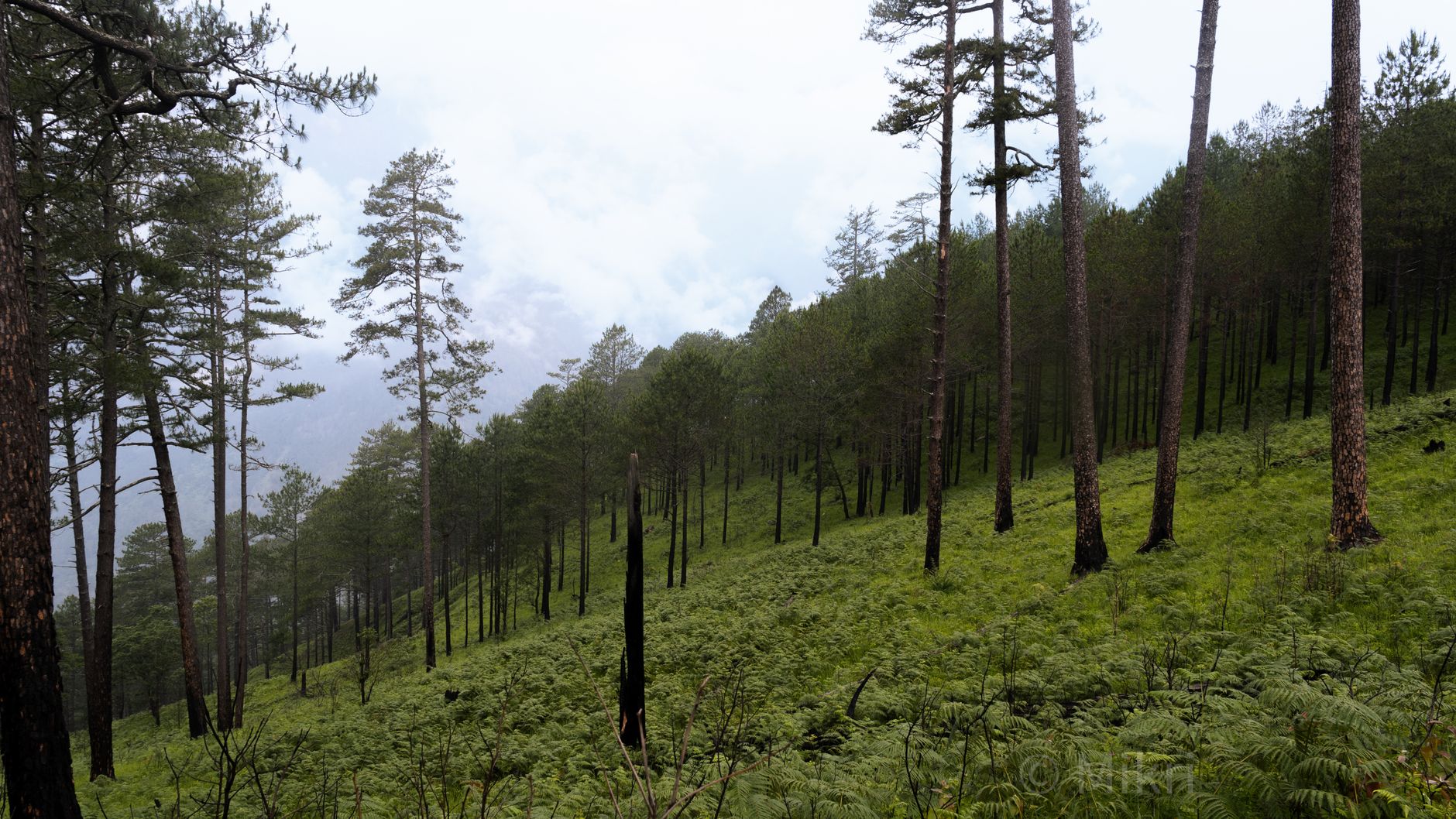
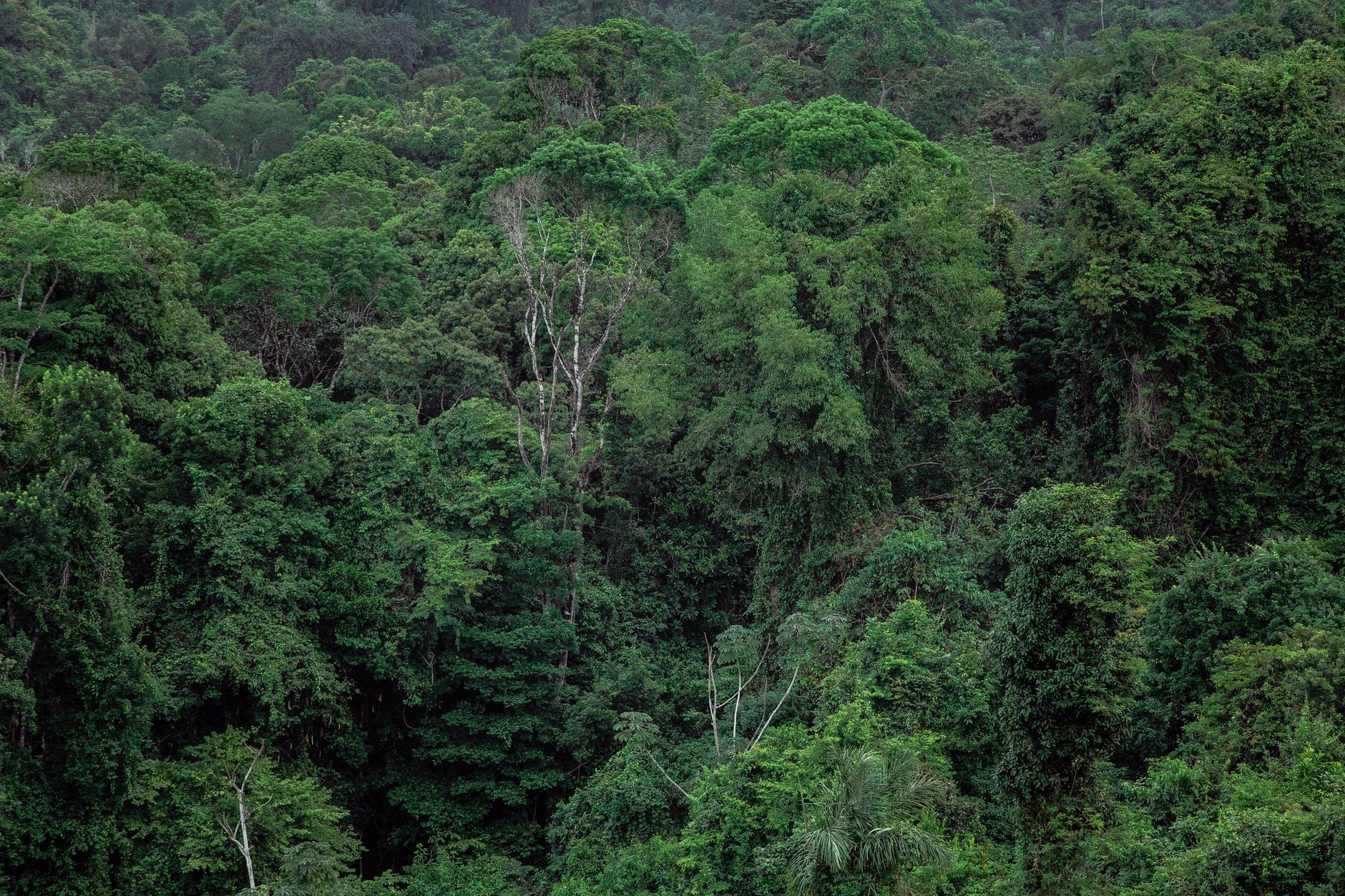
The serene hills of Arunachal Pradesh may soon echo with the sound of chainsaws, as the Forest Advisory Committee meets today to deliberate the fate of 3,278 hectares of verdant forest. At stake is the National Hydroelectric Power Corporation's (NHPC) ambitious Kamala hydel project, a 1,720 MW endeavour poised to alter the landscape, and not necessarily for the better.
This project, while promising a significant boost in energy production, comes at a hefty environmental cost. The potential felling of 23 lakh trees has sparked a fervent debate between developmental ambitions and ecological stewardship. Environmentalists are up in arms, pointing out that such extensive deforestation could have irreversible impacts on biodiversity and local climate.
Environmental Concerns
Critics of the project argue that the ecological value of these forests far outweighs the proposed energy benefits. The loss of flora and fauna, some of which may not even be fully documented, poses a grave threat to the region's natural heritage. The forests of Arunachal Pradesh are not just a collection of trees; they are a complex ecosystem supporting myriad species and traditional lifestyles.
Amidst these concerns, the Forest Advisory Committee is tasked with an unenviable decision. They must weigh the immediate economic benefits against long-term environmental costs. A decision in favour of the project would not only set a precedent for similar ventures but also test the robustness of India's environmental laws.
Balancing Development and Conservation
NHPC, for its part, has assured the implementation of compensatory afforestation and other measures to mitigate environmental damage. However, sceptics remain unconvinced, citing past instances where such promises have fallen short. The call for a precise and well-managed action plan for ecosystem restoration has never been louder.
Ultimately, the decision of the Forest Advisory Committee will reflect the country's stance on sustainable development. As the world grapples with climate change, India's approach to balancing growth with conservation will be closely watched. Whether the trees stand tall or the hydel project proceeds, today's meeting is a pivotal moment in the ongoing dialogue between progress and preservation.