Arunachal's Hydropower Push: Environment vs Development
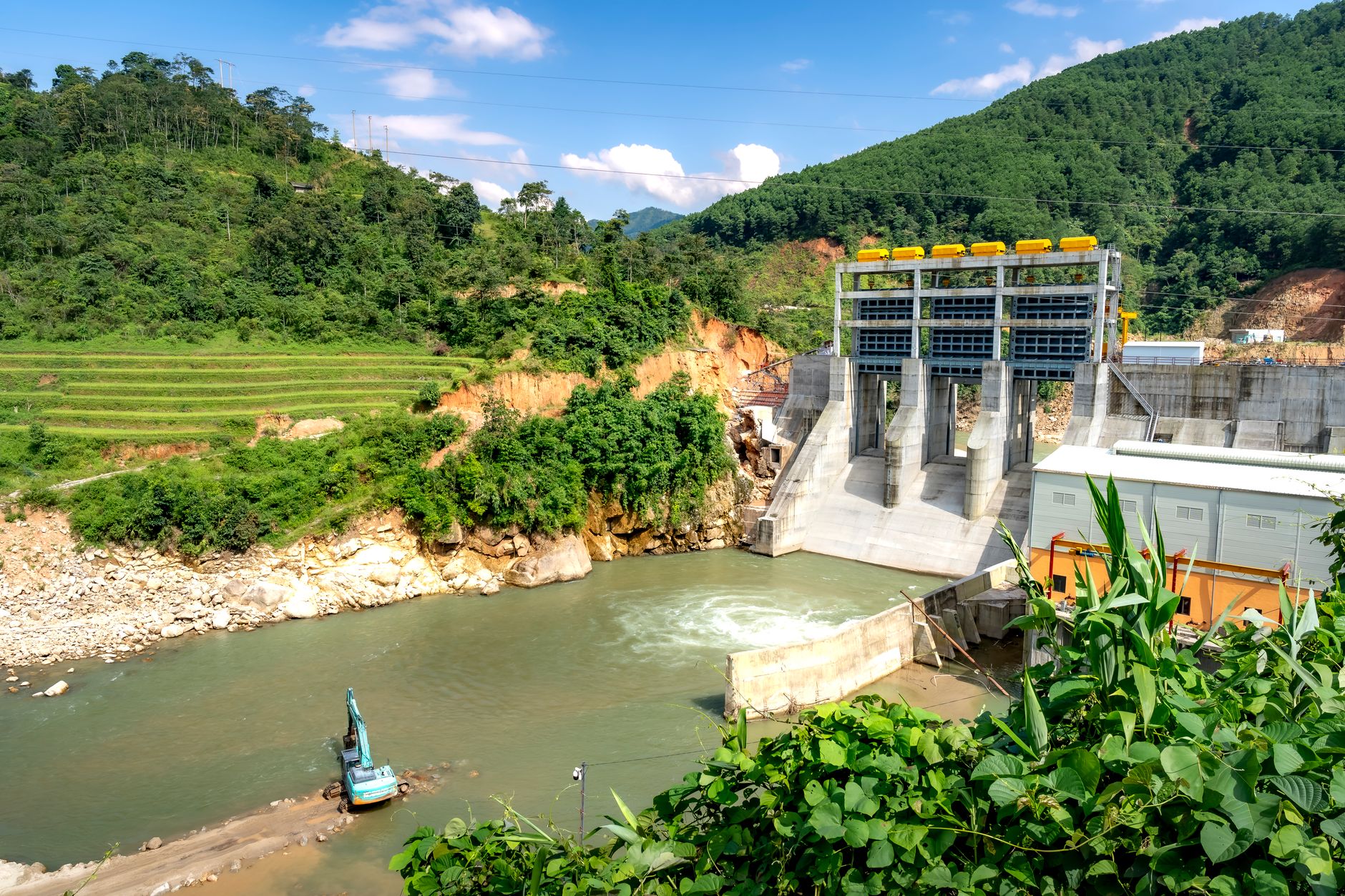
In the remote expanses of Arunachal Pradesh, a hydropower project has stirred a hornet's nest, pitting economic aspirations against ecological concerns. The Etalin hydroelectric project, envisaged as one of India’s largest with a planned capacity of 3,097 megawatts, has inched closer to reality following an environment panel's endorsement. However, this progress comes at a steep environmental cost: the felling of approximately 1.35 lakh trees.
The project, a joint venture between Jindal Power and the Hydropower Development Corporation of Arunachal Pradesh, was first proposed in 2014. Since then, it has been mired in controversy, with the Forest Advisory Committee (FAC) scrutinising its environmental viability. Despite the recent nod, final clearance hinges on acquiring in-principle forest clearance, a process fraught with both bureaucratic and environmental hurdles.
Balancing Act
Proponents argue that the project is crucial for meeting India's growing energy demands, particularly in the northeastern states. The Union Cabinet has already earmarked a substantial investment of ₹40,150 crore for hydropower projects in the region, underscoring the strategic importance of harnessing Arunachal's untapped riverine potential.
Yet, environmentalists caution against the irreversible damage to biodiversity. The project area, rich in flora and fauna, is home to several endangered species. Critics argue that the environmental cost outweighs the benefits, pointing to the region's fragile ecosystem already threatened by deforestation and climate change.
Future Implications
This development raises pressing questions about India's approach to balancing economic development with environmental sustainability. While the government champions infrastructure projects as pathways to progress, the environmental impact often tells a different story.
As the debate rages on, the Etalin project serves as a microcosm of the broader challenges facing India: how to power its future without dimming its natural heritage. The decision to proceed, despite ecological costs, will likely fuel further discourse on the priorities shaping India’s environmental policies.