Asia-Pacific Nations Struggle to Fund Antimicrobial Resistance Plans
Amid a backdrop of increasing antimicrobial resistance, Asia-Pacific countries are diligently crafting plans to combat this pressing health threat. Yet, the stark reality is that most of these plans remain unfunded, raising concerns about their feasibility and the future of public health in the region.
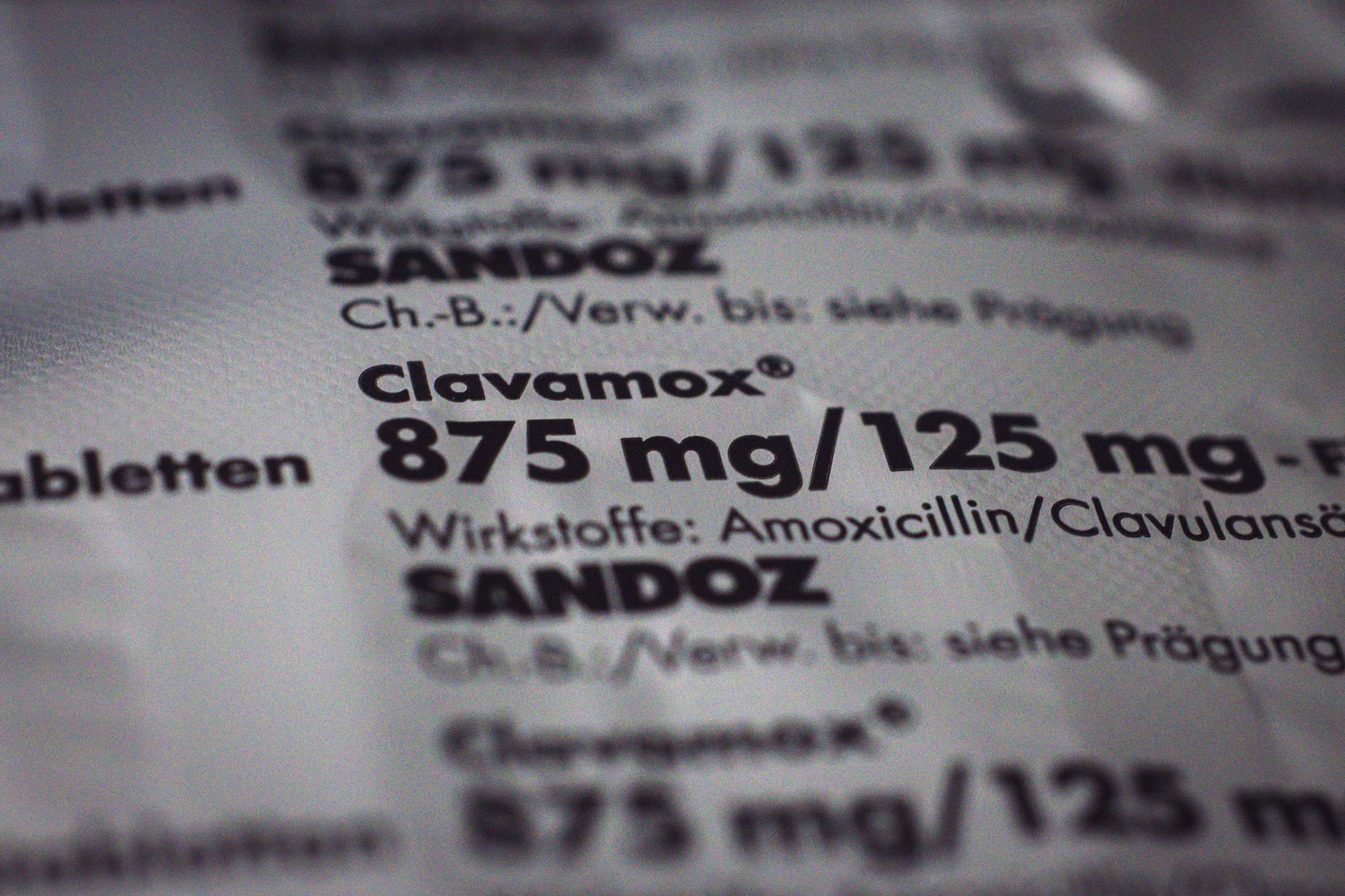
Antimicrobial resistance (AMR) is a global menace that threatens to undermine decades of medical progress. The capacity of microbes to withstand antimicrobial agents has been exacerbated by their overuse in healthcare and agriculture. As resistant bacteria transcend borders, the threat becomes a shared burden, demanding coordinated action.
A recent report highlighted that only 34 nations out of 133 surveyed by a global health association have a national AMR plan. Among these, many countries in the Asia-Pacific region have devised strategies but lack the financial support to bring them to fruition. The absence of funding not only stalls progress but also exacerbates the risk of widespread outbreaks that could overwhelm healthcare systems.
The challenge is further compounded by the intricate interplay of factors such as inadequate infrastructure, limited public awareness, and the need for robust monitoring systems. The overuse of antimicrobials in agriculture is particularly concerning, as it fosters the emergence of resistant strains that can enter the human food chain.
International bodies like the World Health Organisation (WHO) and the Food and Agriculture Organisation (FAO) have been advocating for a collaborative approach. Their Regional Tripartite AMR Project underscores the need for nations to unite in their fight against AMR, yet without adequate funding, these efforts may remain largely symbolic.
Securing financial commitments from international donors and local governments is crucial. Such support would enable countries to implement effective surveillance programmes, educate healthcare workers, and promote the judicious use of antimicrobials. Moreover, public engagement campaigns could play a pivotal role in altering consumption patterns and reducing demand for antibiotics.
As the world grapples with the COVID-19 pandemic, the spotlight on global health preparedness has never been brighter. Antimicrobial resistance, like a silent storm gathering strength, necessitates a proactive and well-funded response. Only then can the Asia-Pacific region hope to shield its populations from the impending tide of drug-resistant infections.