Assam Overhauls Environmental Clearance with New Panels
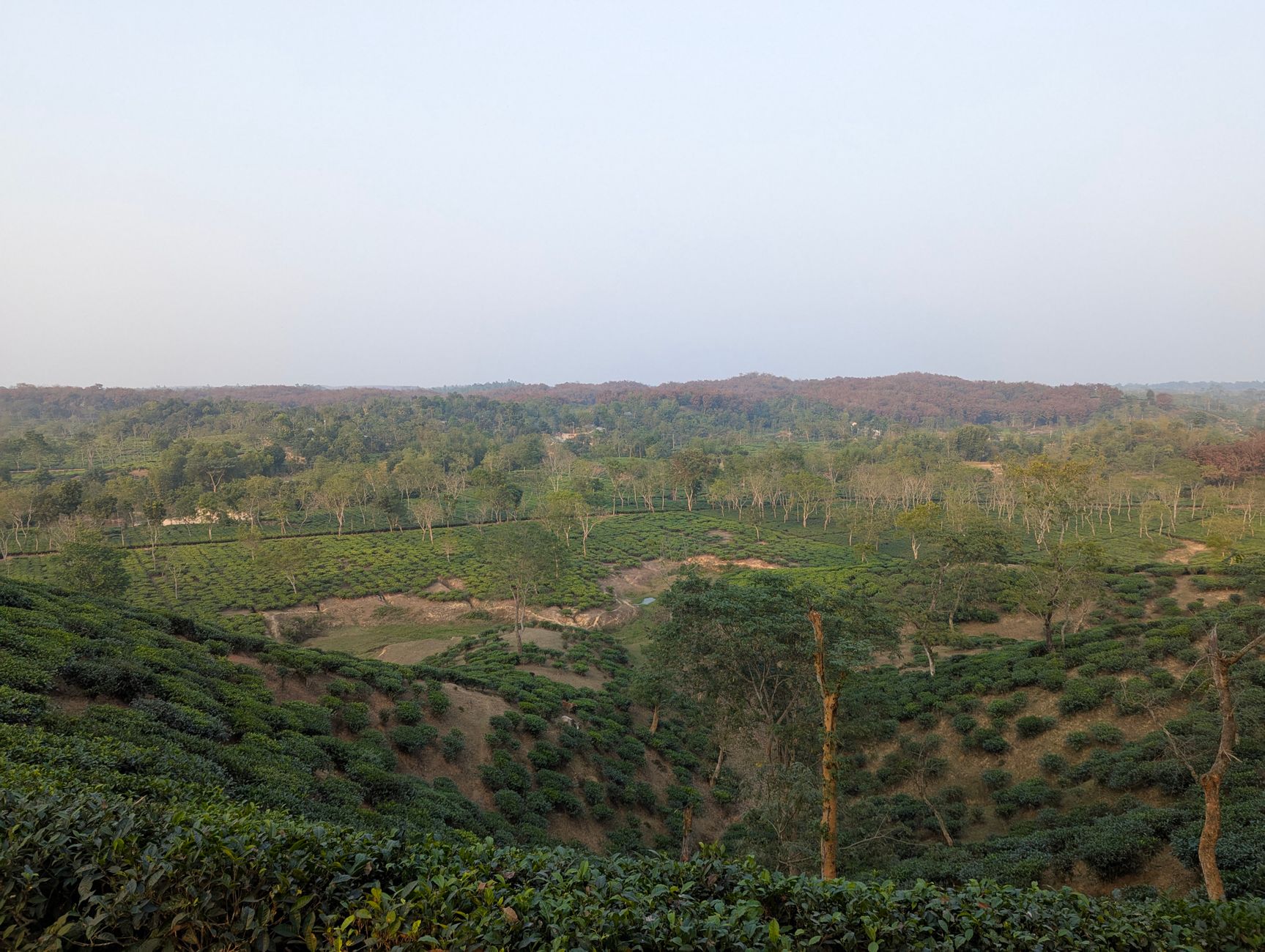
Amidst the lush landscapes of Assam, a significant development is unfolding. The state government has recently constituted two pivotal bodies — the State Level Environment Impact Assessment Authority (SEIAA) and the State Level Expert Appraisal Committee (SEAC). These entities are set to play a crucial role in scrutinising project proposals, ensuring that the state's verdant environment is not sacrificed at the altar of industrial progress.
Assam, known for its rich biodiversity and unique ecosystems, has faced mounting pressures from industrialisation. The establishment of SEIAA and SEAC underscores the government's commitment to sustainable development. By placing environmental concerns at the heart of the approval process, Assam aims to balance economic growth with ecological preservation—a challenging yet necessary endeavour.
Streamlined Processes
The SEIAA and SEAC are designed to streamline the environmental clearance process, which has often been criticised for its bureaucratic delays. The SEAC will provide expert recommendations to the SEIAA, which will then make the final decisions on whether to grant clearance. This new structure is expected to bring about greater efficiency and transparency, addressing previous criticisms of opacity in decision-making.
The panels will examine various projects, ranging from infrastructure to industrial developments, with a keen eye on their environmental impact. This proactive approach is crucial in a region where ecological balance is delicate and integral to the livelihoods of many communities.
Environmental and Economic Balance
With Assam's economy increasingly reliant on industries such as oil, tea, and tourism, the challenge lies in fostering these sectors without compromising the environment. The newly formed panels are a testament to the state's strategic approach, reflecting a broader trend of incorporating environmental governance into the planning stages of development.
Ultimately, the success of these panels will depend on their ability to enforce regulations and collaborate with various stakeholders, including local communities who are often the first to feel the impact of environmental degradation. The initiative represents a step forward in Assam's journey towards a more sustainable and inclusive development model.