
Astounding Revelation: Earth's Origins More Local Than Believed
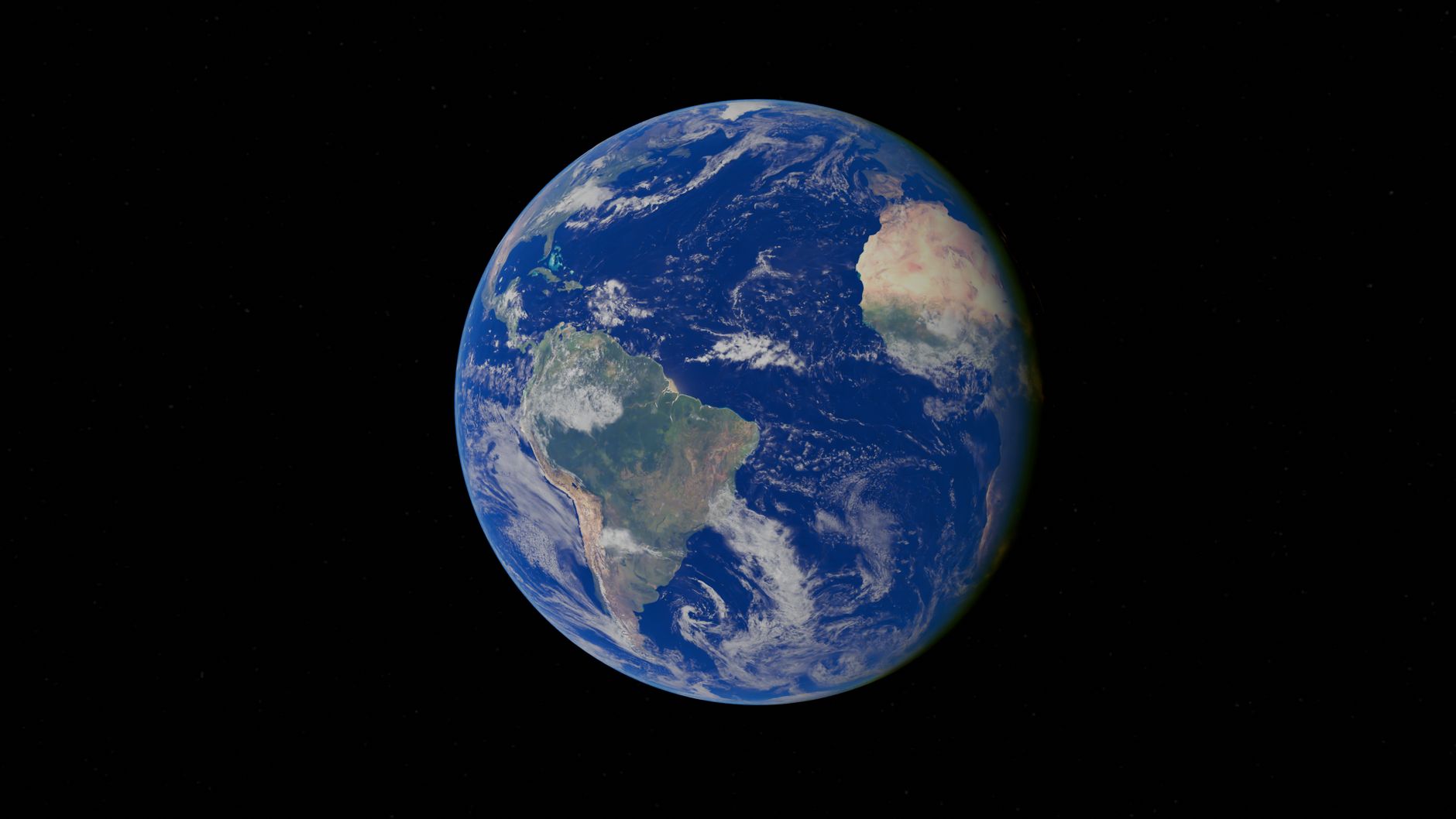
In a finding that has left the scientific community reeling, researchers at ETH Zurich have unveiled evidence suggesting that Earth's building blocks originated entirely from the inner Solar System. This discovery, described as 'truly astonishing' by Dr Dan Bower, a co-author of the study, significantly alters the narrative of our planet's formation.
For decades, the prevalent theory postulated that Earth was formed from a mix of materials from both the inner and outer regions of our Solar System. However, the meticulous comparison of isotopic ratios from meteorites with those found on Earth revealed a starkly different story. The data indicates that the constituents of our planet are distinctly localised to the inner Solar System, contradicting previous assumptions of a more cosmopolitan collection of cosmic debris.
This revelation provides not only a fresh perspective on Earth's origins but also raises intriguing questions about the processes that governed planet formation in our nascent Solar System. The implications are profound, as they may necessitate a re-evaluation of the dynamics and conditions present during the early stages of planetary development.
Implications for Planetary Science
The implications of this study extend beyond just Earth's history. By altering our understanding of how planets form, it may influence the way scientists approach the study of other celestial bodies within our Solar System and beyond. As Dr Paolo Sossi, another key researcher in the study, noted, 'This could reshape our approach to searching for Earth-like planets in other solar systems.'
While the discovery is groundbreaking, it does not come without its challenges. The scientific community now faces the task of integrating these findings into existing models of planetary formation, a process that will undoubtedly spark further research and debate. The study's authors are hopeful that this will lead to more detailed investigations into the materials that make up other planets and moons, potentially unlocking new insights into the history of our cosmic neighbourhood.


