Astronomers Capture First Radio Signals from a Distant Exoplanet
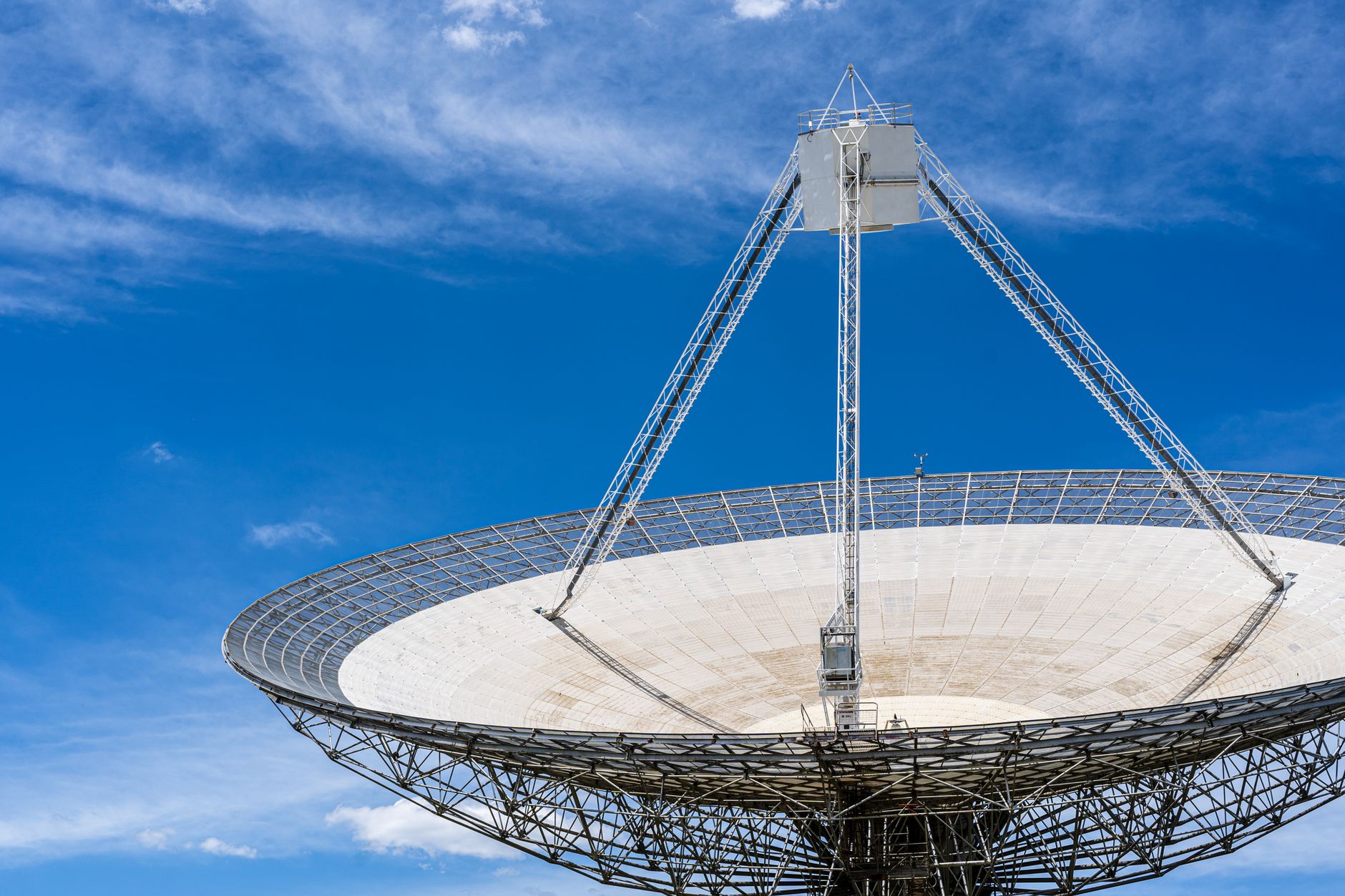
In an unprecedented development, astronomers have for the first time detected radio signals directly originating from an exoplanet. These signals, traced back to Beta Pictoris b, were observed using the MeerKAT radio telescope array in South Africa, heralding a new era in the study of celestial bodies outside our solar system.
Traditionally, the detection of exoplanets has relied heavily on indirect methods, often involving the observation of minute shifts in a star's light as a planet transits in front of it. However, this latest discovery is a direct detection, deriving from the planet's own auroras. These auroras, much like Earth's northern and southern lights, are produced by charged particles interacting with the planet's atmosphere and magnetic field.
Revolutionising Exoplanetary Research
The significance of this finding cannot be overstated. For the first time, scientists have a tool to measure the magnetic field strength of an exoplanet directly. Such insights are invaluable as they provide clues about the planet's internal structure and atmospheric conditions. Understanding these factors is crucial for assessing the potential habitability of exoplanets, an area of great interest for astronomers eager to find life beyond Earth.
The MeerKAT telescope, a key player in this discovery, is part of the Square Kilometre Array project aimed at building the world's largest radio telescope. Its ability to detect faint radio signals from distant cosmic objects has once again proven its worth, providing astronomers with unprecedented data.
A Glimpse into the Future
This breakthrough not only enhances our grasp of Beta Pictoris b but also sets a precedent for future studies. As technology advances, the hope is that more exoplanets will reveal their secrets via radio emissions, offering a deeper understanding of the universe's many mysteries.
The implications of this research stretch beyond mere academic interest. As we continue to explore the cosmos, each new discovery brings us closer to answering the age-old question of whether we are alone in the universe. This direct detection of radio signals from an exoplanet is a significant step forward on that journey.