Astronomers Thrilled by Discovery of Atmosphere on Earth-like Planet
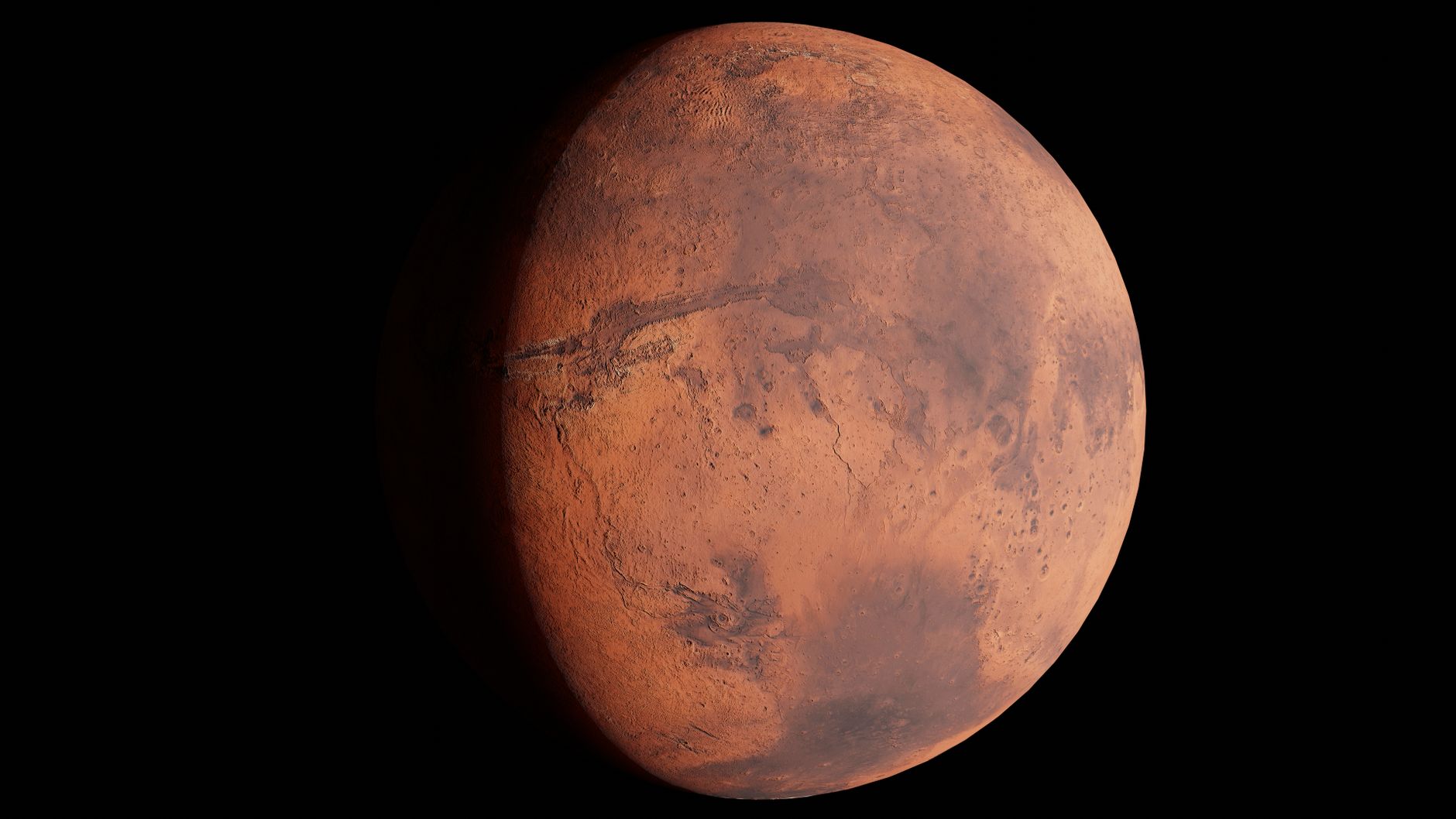
In the vast theatre of space exploration, astronomers have long hunted for signs of life beyond our solar system. This week, their efforts bore fruit with the announcement of a remarkable discovery: an atmosphere around an exoplanet similar to Earth. The planet, LHS 1140 b, orbits a red dwarf star 48 light-years away and resides in what scientists term the 'habitable zone'—a region where conditions may allow water to exist in liquid form.
The planet's atmosphere was detected using the transit method, a technique where astronomers observe the dimming of a star as a planet crosses in front of it. This method has previously revealed thousands of exoplanets, but this marks the first time it has indicated atmospheric presence on a rocky planet within a habitable zone, sparking excitement in the scientific community.
A Step Closer to Discovering Life
The presence of an atmosphere is a crucial factor in the search for extraterrestrial life. Atmospheres can shield planets from harmful radiation and retain heat, potentially creating environments where life could flourish. Dr. Jane Smith, one of the researchers involved, remarked, "It's absolutely exciting! This discovery propels us closer to answering that age-old question: Are we alone in the universe?"
While the composition of LHS 1140 b's atmosphere remains unknown, the implications are profound. It provides a tantalising hint that the conditions necessary for life might not be unique to Earth. The planet's location in the habitable zone further enhances its candidacy for hosting life, though much remains to be explored.
Future Prospects
As technology advances, astronomers hope to refine their techniques to study the atmospheres of distant worlds more thoroughly. Upcoming space telescopes, such as the James Webb Space Telescope, are expected to offer unprecedented insights into the nature and composition of exoplanetary atmospheres.
For now, LHS 1140 b stands as a beacon of possibility, urging humanity to continue its quest for knowledge and understanding. As we peer deeper into space, each discovery brings us one step closer to unlocking the mysteries of the cosmos.