Automation Alters China's Workforce: A Nation at a Crossroads
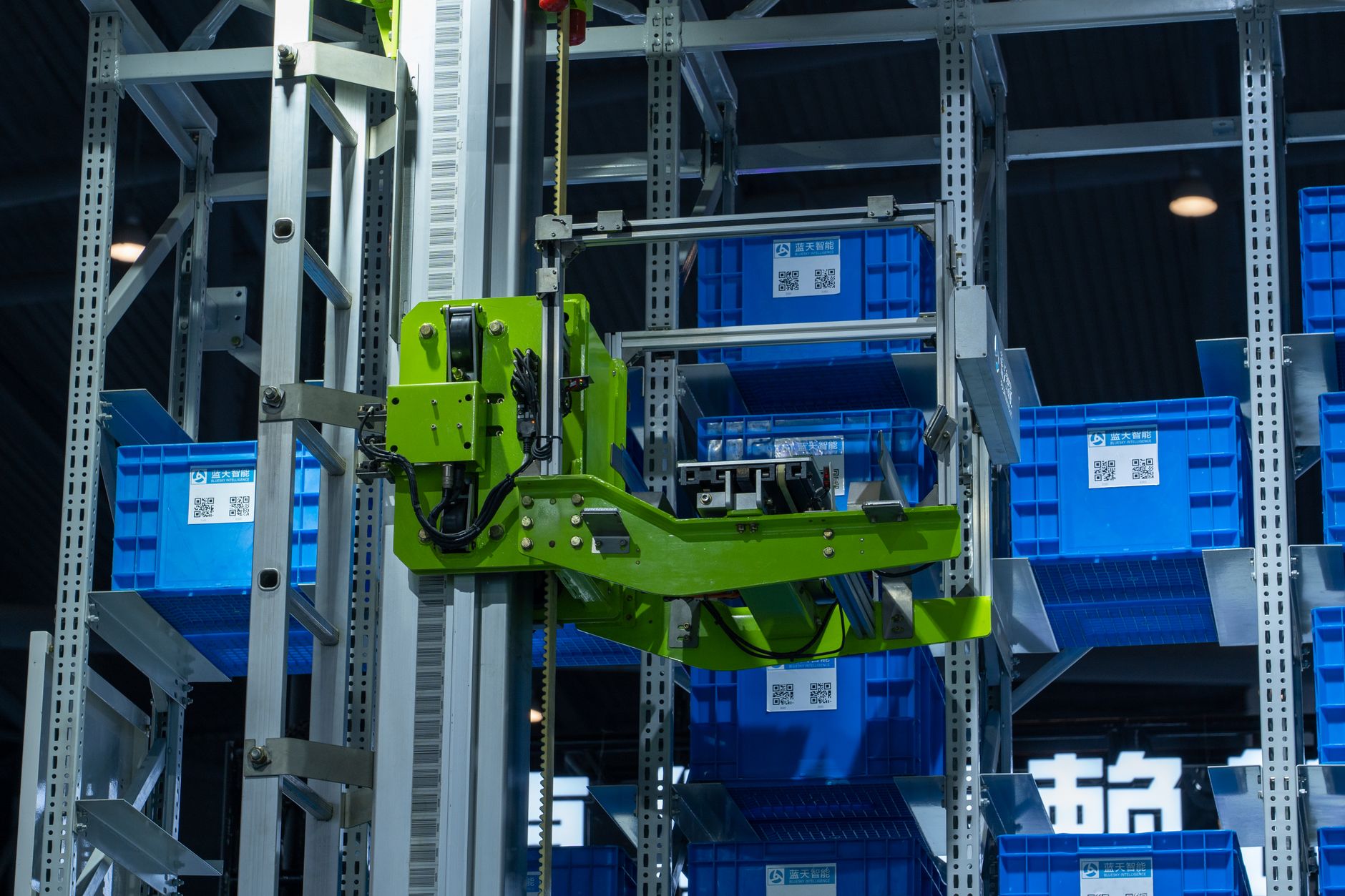
In the heart of China's industrial landscape, a quiet revolution is unfolding. The hum of machinery has become more pronounced as human voices grow faint. Once bustling with the chatter of workers, China's factories now resonate with the steady rhythm of 'clankers', a colloquial term for the machines that are steadily replacing human hands.
For decades, China earned its moniker as the world's factory, producing everything from electronics to textiles, while providing jobs to millions. However, the advent of automation has rewritten the script. Machines now perform tasks with efficiency and precision that human workers can scarcely match, posing an existential threat to the traditional workforce.
The Rise of the Machines
Automation's ascent is not unique to China. Across the globe, technology is reshaping industries and economies. Yet, in China, the shift is particularly acute. The nation that built its economic might on the back of manufacturing now finds itself at a crossroads. As jobs evaporate, the social fabric is tested, and the ripple effects extend beyond its borders.
New roles, such as AI ethics officers and human-AI collaboration specialists, are emerging. But these positions require specialised skills and education, often inaccessible to those who have been displaced from factory jobs. For the average worker, the leap from assembly line to advanced technology is formidable.
Education and Retraining: The Path Forward?
China's leadership acknowledges the challenge. Efforts to retrain and upskill the workforce are underway, yet the pace of technological advancement outstrips these efforts. The government is investing heavily in education reforms, aiming to equip the next generation with the skills necessary to thrive in an AI-driven world.
Nevertheless, the question remains: Can these initiatives keep pace with the relentless march of automation? The answer will determine not only China's economic future but also its social equilibrium.
As China navigates this transition, the world watches closely. The lessons learned here could offer a template—or a cautionary tale—for other nations grappling with similar shifts in their own labour markets. The age of the 'clanker' is upon us, and how we respond will shape the future of work itself.