Bajaj Insurance Pioneers Coverage for Future Fuel Technologies
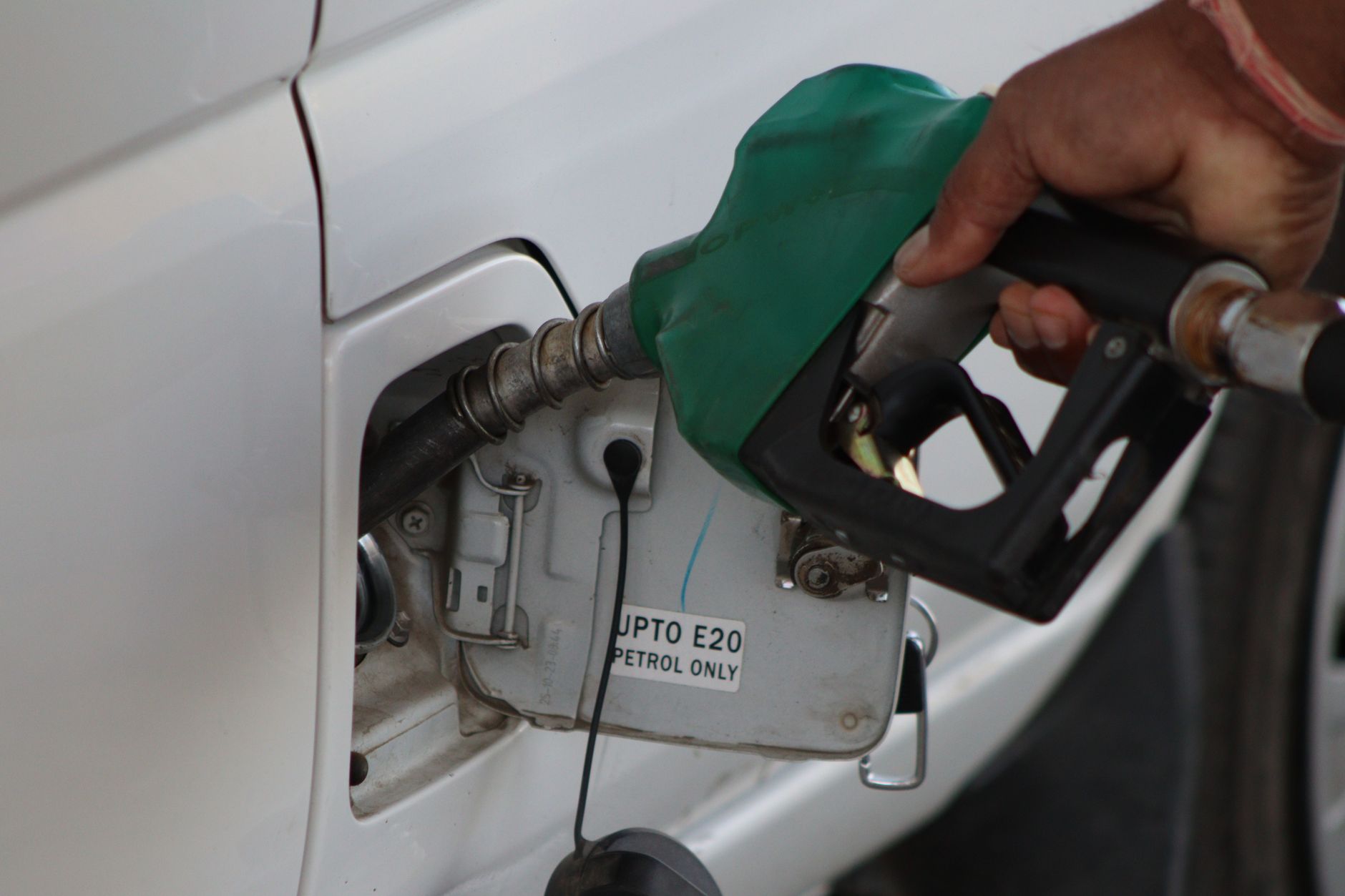
As the scent of innovation permeates the automotive industry, Bajaj General Insurance has taken a bold step to widen the safety net for vehicle owners. Their latest enhancement to the VPAY motor insurance add-on is not just a nod to evolving times but an essential shield against the uncertainties posed by changing fuel technologies.
With the introduction of coverage for fuel adulteration and compatibility with new fuel technologies, Bajaj is addressing concerns that have loomed large over car parts vulnerable to blended fuels. The move comes at a time when the automotive sector in India is witnessing a significant shift towards alternative energy sources, including flex-fuel vehicles and other experimental technologies.
A Changing Automotive Landscape
The past few years have seen a rapid evolution in fuel and engine technologies, driven by the twin goals of energy efficiency and environmental sustainability. Industry experts have long advocated for renewable fuels as a cornerstone in meeting Europe's ambitious decarbonisation targets. However, the transition isn't without its challenges.
Automakers are increasingly aligning their production strategies with government policies and consumer expectations that favour greener alternatives. Yet, as these technologies continue to develop, the question of vehicle compatibility with new fuel blends remains pivotal. Bajaj's proactive approach in offering coverage for these potential issues is a testament to the industry's shifting priorities.
Why This Matters
The inclusion of such coverage is more than just a marketing manoeuvre; it reflects a deeper understanding of where the industry is headed. As renewable fuels gain traction, the risks of mechanical breakdowns due to incompatible fuel blends could become more pronounced, making such insurance coverage invaluable.
In a broader context, this move by Bajaj could signal a trend in the insurance industry towards more comprehensive and forward-thinking policies. The implications are significant for consumers, who can now protect themselves against unforeseen costs associated with the transition to cleaner energy sources.
As India stands on the cusp of an automotive revolution, Bajaj General Insurance's initiative could set a precedent, encouraging other insurers to follow suit. In an era where innovation and sustainability are not merely buzzwords but essential components of progress, adapting to evolving fuel technologies is not just prudent but necessary.