Balancing Tourism and Ecology in Karnataka's Joida
In the verdant heart of Karnataka lies Joida, a region shrouded in dense forests and steeped in natural beauty. However, this scenic haven presents a conundrum: how to welcome tourists without endangering its fragile ecosystem? The state's Principal Chief Conservator of Forests (PCCF) has called for a nuanced approach to tourism that prioritises sustainability and ecological balance.
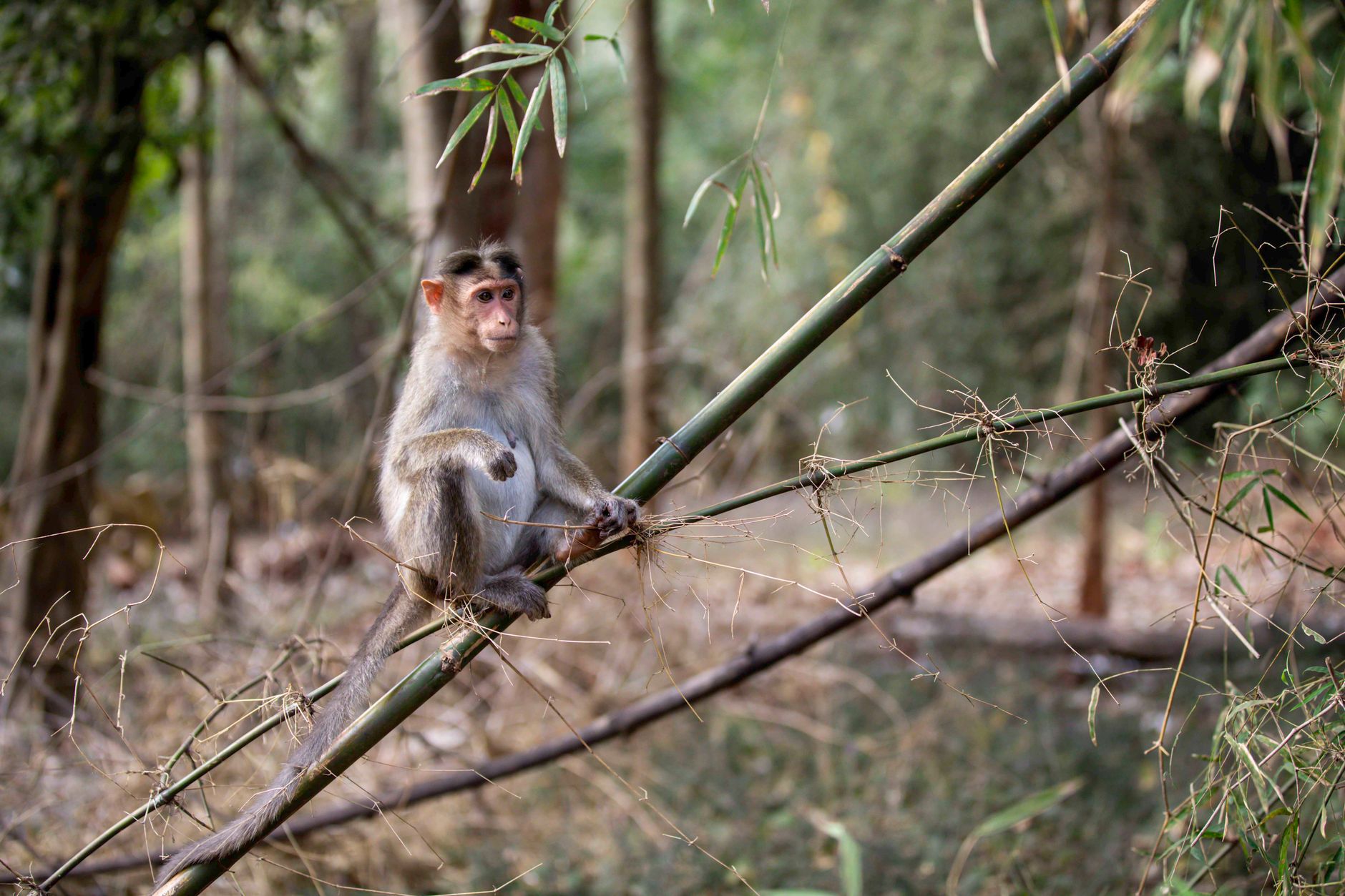
Joida, nestled within the Anshi Tiger Reserve, is a jewel of biodiversity. With 87% of its area covered in forest, the region is home to myriad species, some rare and endangered. The challenge is stark: to open its doors to tourism while ensuring that this natural bounty remains untouched.
Responsible Tourism: A Path Forward
Advocating for responsible tourism, the PCCF highlights the economic potential such an approach holds for local communities. "Tourism can indeed be a boon," the official remarked, "but it must be managed in a way that does not compromise our ecological wealth." The emphasis is on developing infrastructure and activities that have minimal environmental impact, such as eco-friendly accommodations and guided nature walks.
Local residents, many of whom rely on subsistence farming and supplementary jobs, could significantly benefit from a boost in tourism. However, the PCCF stresses the importance of involving these communities in planning and decision-making processes to ensure that development is both inclusive and sustainable.
The Delicate Balance
As seen in other parts of India, unregulated tourism can lead to deforestation, pollution, and cultural erosion. The lessons are clear: Joida must tread carefully. Initiatives like promoting local arts and crafts, organising eco-tours, and ensuring that wildlife remains undisturbed are all on the table.
The need for balance is echoed by environmentalists who caution against projects that could harm the area's delicate flora and fauna. They argue for stricter regulations on visitor numbers and the types of activities permitted within the reserve.
In the end, the future of Joida as a tourist destination rests on its ability to harmonise human activity with nature. Its success could serve as a model for other regions seeking to marry economic development with environmental stewardship.