Bangladesh's Measles Crisis: A Tragic Toll Despite Vaccination Efforts
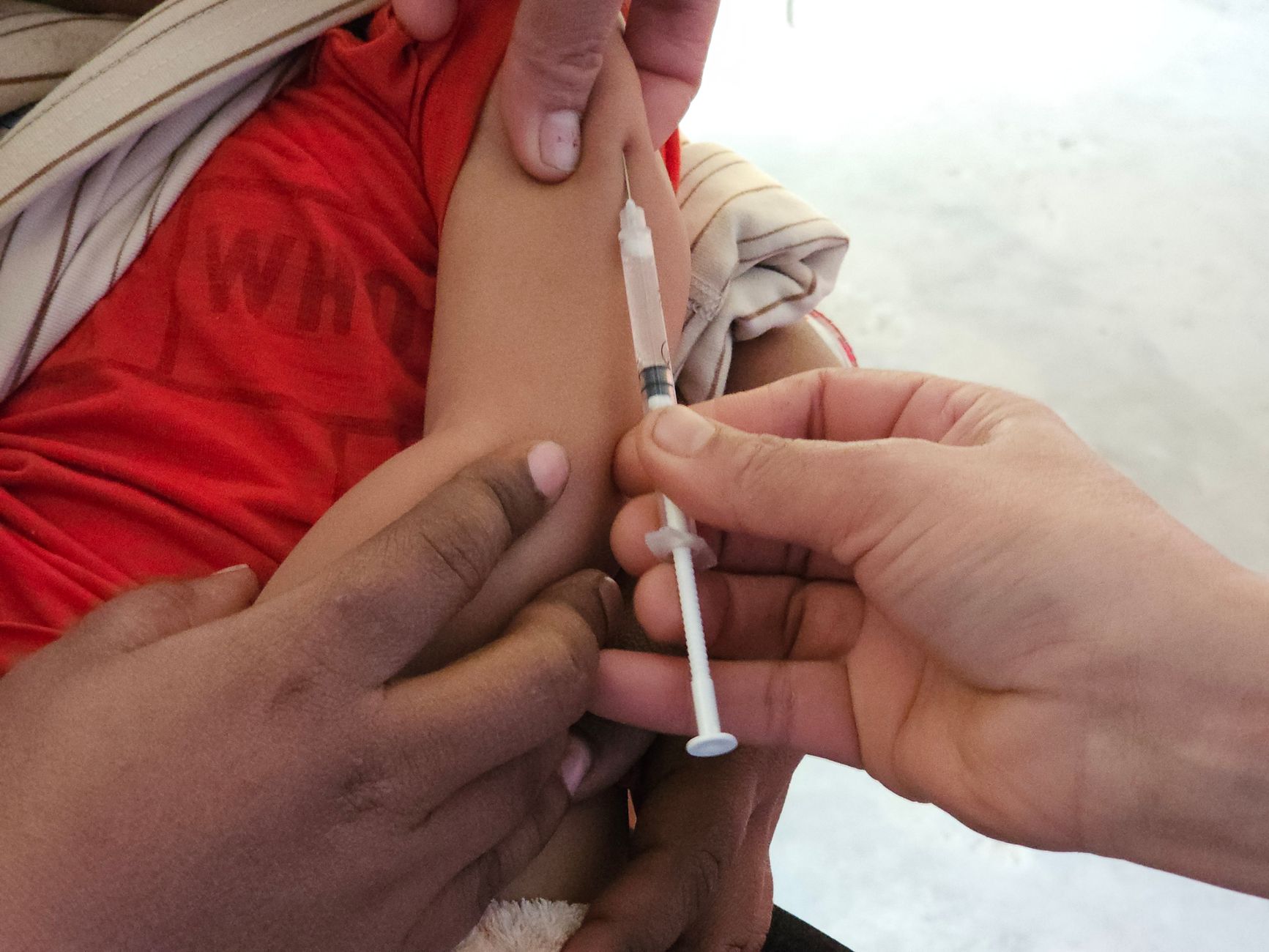
In the heart of Bangladesh, a public health nightmare is unfolding. The measles outbreak that has swept across the nation has claimed the lives of over 1,000 children, leaving families in despair and health officials scrambling for solutions. This tragedy comes despite the government’s ambitious vaccination drive, which astonishingly surpassed its target by over 9%.
The statistics are grim. Since March, more than 166,000 suspected measles cases have been reported, with children being the most affected. This surge has raised urgent questions about the effectiveness of the vaccination campaign, which was intended to shield the young and vulnerable from such preventable diseases.
Vaccination Campaign and Its Shortcomings
Bangladesh’s health officials had embarked on an aggressive measles-rubella vaccination campaign, administering nearly 20 million doses. Yet, the outbreak spiralled beyond control. Experts suggest that while the campaign was extensive, it may have failed to reach the most remote and underserved communities where healthcare access is limited. Furthermore, misinformation and vaccine hesitancy have played significant roles in thwarting full immunisation coverage.
Dr. Farhana Islam, a public health specialist, noted, "The challenge lies not just in the number of vaccines administered, but in ensuring they reach every corner of the country. Misinformation is a barrier we’re still struggling to overcome."
Structural Challenges
Beyond the immediate crisis, the outbreak has highlighted entrenched infrastructural challenges within Bangladesh’s healthcare system. Rural areas, in particular, suffer from a lack of medical facilities and trained personnel, making it difficult to manage outbreaks effectively. This has been compounded by logistical issues in vaccine distribution, leading to delays and stock shortages in critical regions.
The government has since ramped up efforts to contain the outbreak, deploying mobile health units and increasing awareness campaigns. However, without addressing the systemic issues, the risk of further outbreaks looms large.
As Bangladesh struggles to bring the epidemic under control, the situation serves as a stark reminder of the importance of robust healthcare infrastructure and the need for ongoing public health education. The hope is that lessons learned from this crisis will pave the way for more resilient health systems in the future.