BCCI Asserts Independence Amidst Governance Act Debate
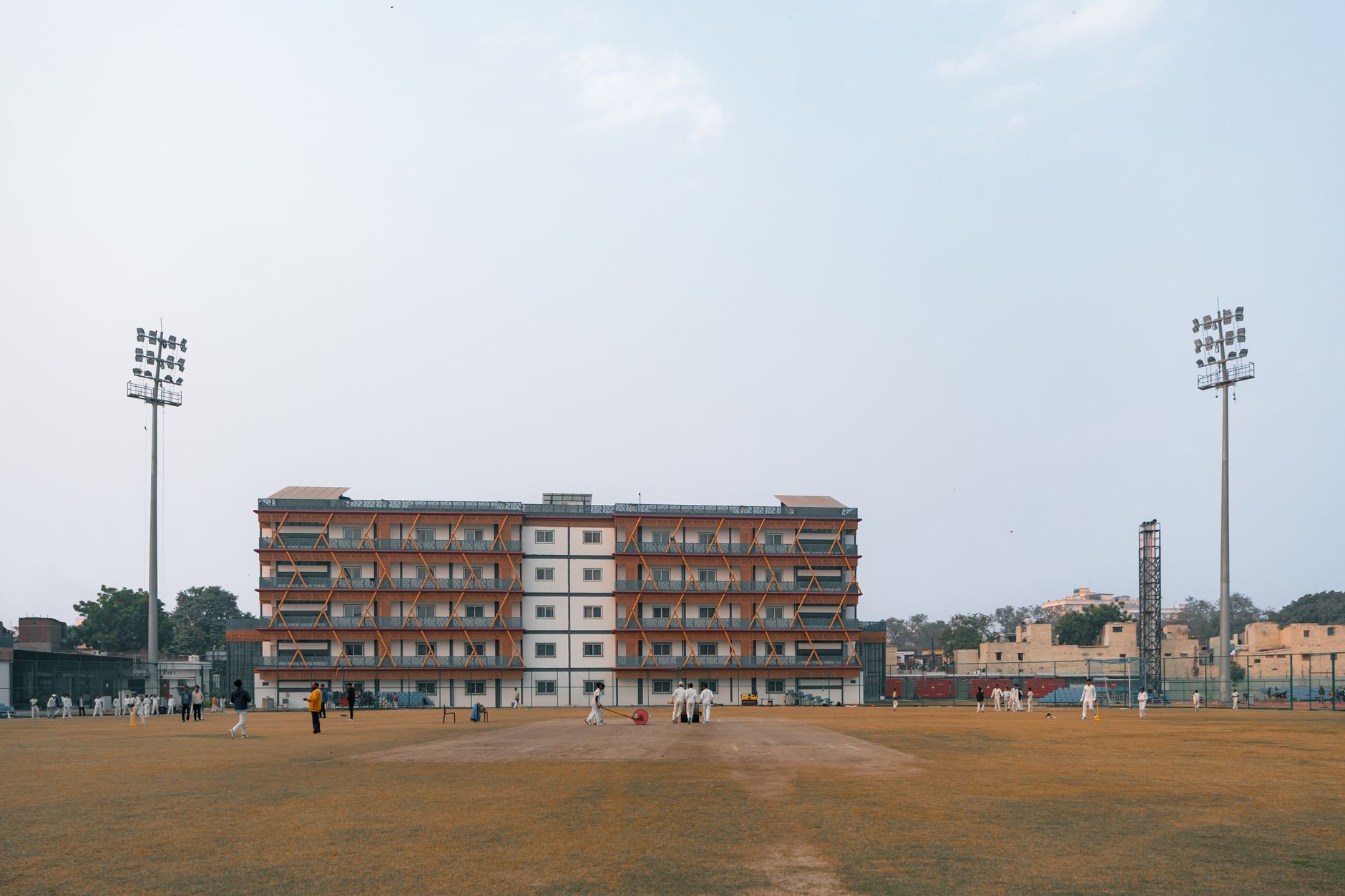
In an annual gathering that lacked its usual pomp, the Board of Control for Cricket in India (BCCI) has made its stance crystal clear regarding the National Sports Governance Act. The board, which has long been a bastion of cricketing authority in the country, reiterated its commitment to remain autonomous, even as the Supreme Court deliberates the implications of the act.
The meeting, held in a relatively subdued atmosphere, was expected to be overshadowed by discussions about the India-Pakistan T20 World Cup fixture. However, the spotlight shifted when BCCI’s representative, Saikia, addressed the elephant in the room: the governance act. "We respect the judiciary, but cricket administration is best left to those who understand the game," he stated firmly.
BCCI's Autonomy at Stake?
The National Sports Governance Act, which aims to bring about increased transparency and accountability, has been met with mixed reactions. For the BCCI, known for its influential role within the International Cricket Council, the act poses a potential threat to its independence. The Supreme Court’s involvement signals a push towards standardising governance across sports bodies, a move that some argue could streamline operations, while others fear it might stifle the unique dynamics that cricket enjoys in India.
While the BCCI’s position may appear as resistance to change, insiders suggest it is more about safeguarding the sport's unique cultural and economic fabric. "Cricket is not just a game here; it's an institution," remarked Rajeev Shukla, the board's vice-president. His comments underscore the delicate balance between governance and tradition.
The Path Ahead
As the discussions unfold, the BCCI remains committed to its existing path, with assurances that it will continue to adhere to international cricketing norms, as evidenced by its alignment with the ICC's decision on the India-Pakistan World Cup match. The board's actions reflect a cautious yet deliberate effort to navigate the complexities of governance without compromising its autonomy.
In a country where cricket is almost a religion, the board's ability to maintain its independence could very well shape the future of the sport. As the Supreme Court considers its stance, the BCCI's resolve suggests that it is ready to face whatever challenges lay ahead, steadfast in its mission to protect the legacy and integrity of Indian cricket.