Bee Vision: Unravelling Nature's Visual Mastery
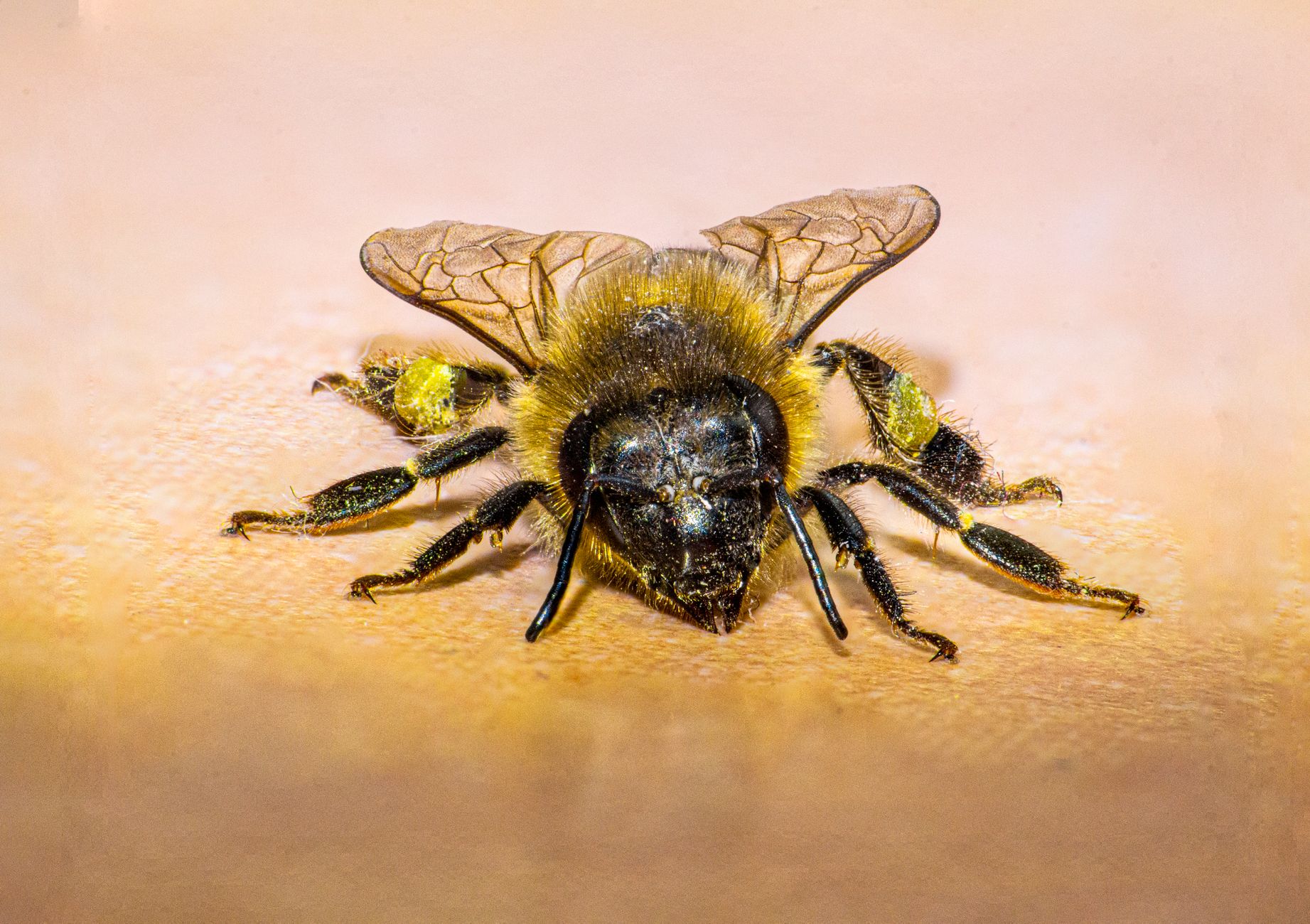
In the world of bees, the familiar hum and buzz is accompanied by a lesser-known marvel: their extraordinary vision. A new study from Lund University has thrown light on how bees, despite having similar-looking ocular structures, perceive their environment in strikingly different ways.
Professor David O'Carroll, who spearheaded the research, notes, "The honey bee, a long-standing subject of vision research, offers only a glimpse into the complex visual capabilities of the bee world." Indeed, with over 20,000 species, bees employ a variety of visual strategies to navigate their surroundings.
One notable example is the wool carder bee, whose males engage in elaborate aerial duels to guard their territories. These bees exhibit a unique visual processing ability, allowing them to track fast-moving objects with precision. This capability is not just a biological curiosity but might inspire advancements in robotics and autonomous vehicles, technologies that require acute spatial awareness.
Implications for Technology
The implications of these findings stretch beyond biology. By mimicking bee vision, engineers could develop systems that enhance machine perception, leading to smarter drones and more efficient AI-driven vehicles. The bees' ability to detect and react to rapid movement could revolutionise how machines interpret dynamic environments.
Furthermore, understanding the intricacies of bee vision might contribute to advancements in camera technologies, potentially leading to better image recognition systems that operate under diverse lighting conditions.
Beyond the Honey Bee
While the honey bee has dominated vision studies, this research underscores the importance of exploring other species within the bee family. Each species offers unique adaptations that could unlock new scientific and technological possibilities.
As scientists continue to decode the secrets of bee vision, the tiny insects may soon inspire breakthroughs that transform how we see, and interact with, the world around us.