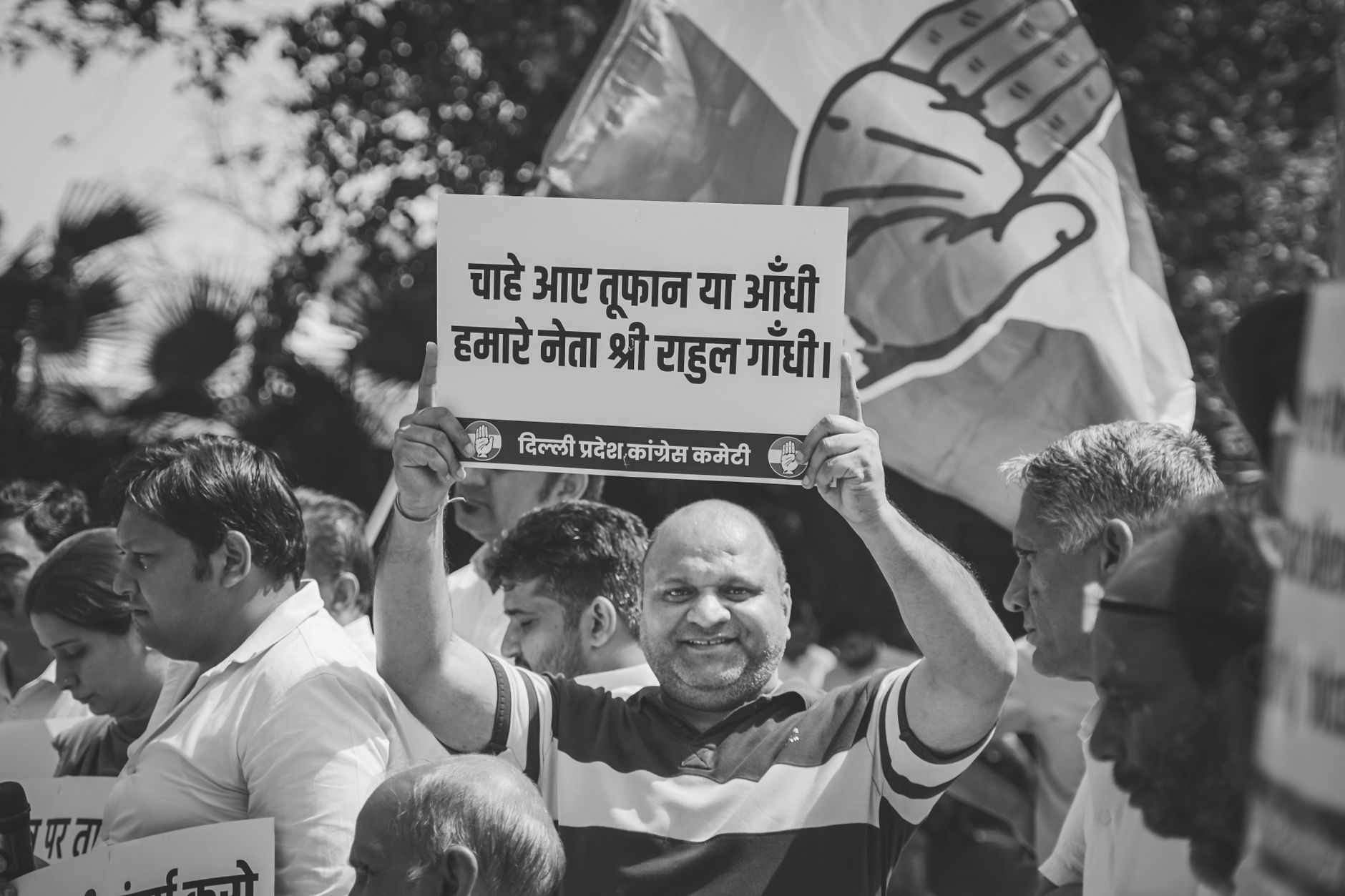
Behind the Screen: Influencers, Politics, and Paid Reels
Picture this: you're scrolling through Instagram, captivated by a slick political reel from your favourite influencer. But what if that engaging piece of content wasn't just born from creative spontaneity, but was instead a carefully orchestrated political collaboration?
As influencers become modern-day power brokers, their partnerships with political parties are drawing attention. Recently, revelations have surfaced suggesting that many of the reels and posts we consume are sponsored by political entities. While the practice of leveraging popular figures for political gain isn't new, the medium has evolved dramatically in the digital age.
The Power of Influence
Influencers wield significant power. Their followings often consist of thousands, if not millions, of engaged individuals. In an era where traditional media is often bypassed for direct engagement, influencers have become key players in the dissemination of political messages.
However, the transparency of these collaborations is murky at best. Many viewers remain unaware that the reel they are watching could be part of a strategic campaign, funded by political interests. The lines between genuine endorsement and paid promotion blur, leaving audiences questioning the authenticity of what they consume.
Regulatory Concerns and Ethical Implications
The realm of digital influence is, as yet, relatively unregulated. While advertising standards require disclosure of paid partnerships, the enforcement in digital spaces, particularly around political content, is inconsistent. This lack of clarity presents ethical dilemmas. Should influencers disclose when a political party has financially backed their content? And if so, how transparent should they be?
There are calls for more stringent regulations to ensure that audiences are not misled. The ethical onus might lie with the influencers themselves, but political parties, too, must acknowledge their role in fostering transparency.
As we navigate this new terrain, one thing is certain: the relationship between influencers and political parties will remain a topic of intense scrutiny and debate. As the digital age continues to evolve, so too will the ways in which political messages are crafted and consumed.