Bengal Eases Land Laws to Woo Investors Amid Challenges
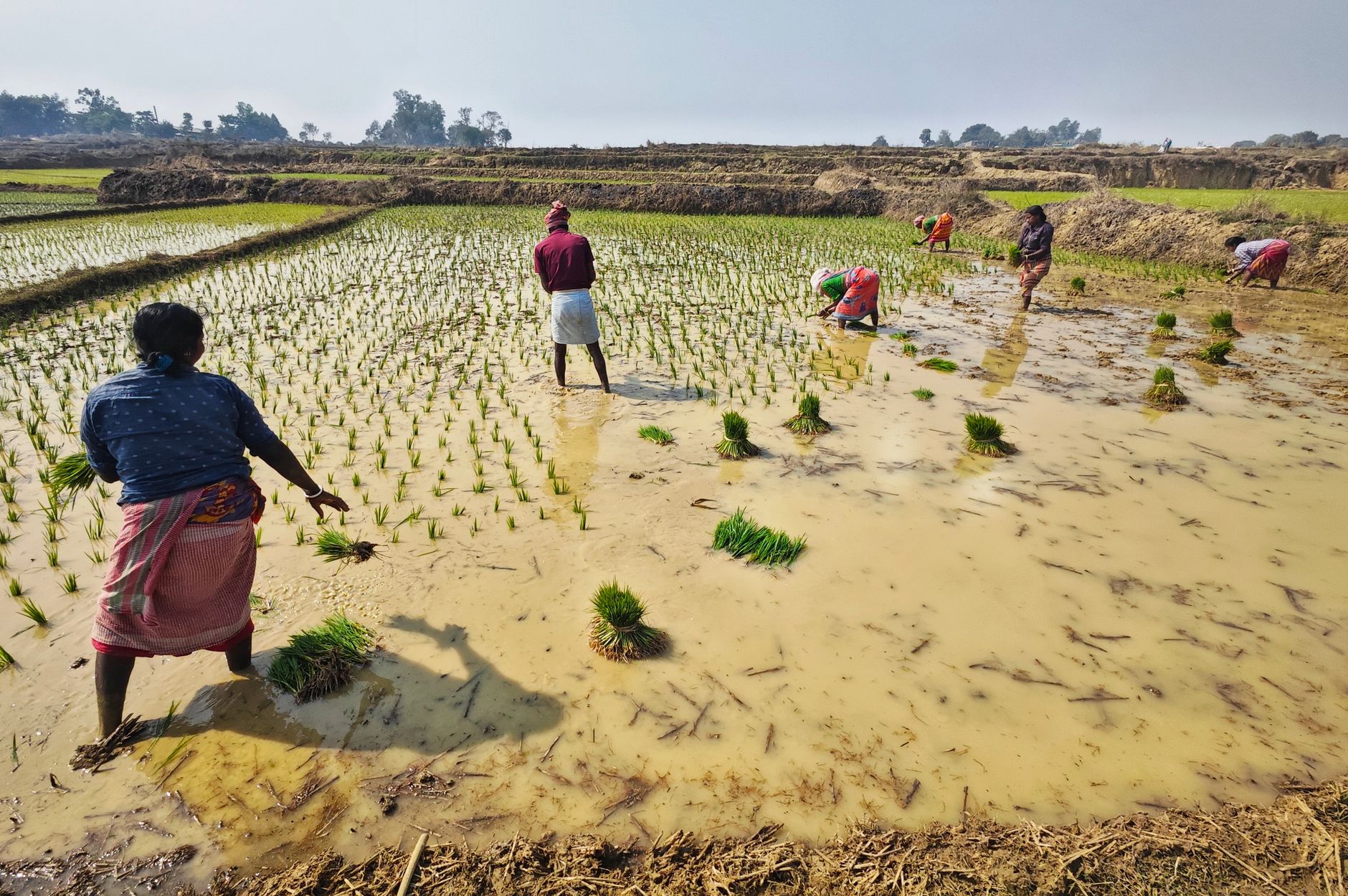
In an ambitious bid to ignite economic activity, the West Bengal government has announced plans to relax land ceiling regulations, aiming to attract investment and boost business opportunities. Chief Minister Mamata Banerjee disclosed this strategic pivot, indicating a nuanced approach to land management that seeks to balance agricultural needs with industrial expansion.
Recognising the complexities involved in land acquisition, the government intends to establish a detailed land bank and mapping system within the next fortnight. This initiative promises to provide a clearer understanding of available land resources, marked with green on the map to denote agricultural zones, thereby facilitating informed decision-making for potential investors.
Balancing Act
West Bengal's economy has long grappled with challenges tied to land acquisition, a contentious issue that has often stymied industrial projects. The proposed relaxation is seen as a means to alleviate these hurdles, with the hope of creating a more conducive environment for business. The state’s strategy appears to align agricultural preservation with the necessity of economic progress.
This move is not without its critics, who caution against the potential risks of altering land laws. Some argue it could threaten the livelihoods of farmers and lead to unchecked urbanisation. However, proponents suggest that a well-regulated framework can mitigate such risks and foster sustainable development.
Investor Confidence
Industry experts have welcomed the development, viewing it as a signal of Bengal's readiness to compete with other Indian states for foreign and domestic investment. Such regulatory changes are anticipated to enhance investor confidence, encouraging them to explore opportunities in the state.
The plan to map and categorise land usage could serve as a model for other states grappling with similar issues. By providing clarity and transparency, Bengal hopes to position itself as a favourable destination for businesses seeking to expand in India.
Ultimately, the success of this initiative will depend on the state's ability to execute its plans effectively, ensuring that the interests of all stakeholders, including farmers and local communities, are adequately safeguarded.