Bengal Minister Urges Eco-Friendly Tourism Strategies
In an impassioned speech to the West Bengal Assembly, Environment Minister Manoj Kumar Oraon articulated a pressing concern: the fine balance between bolstering tourism and preserving the state's fragile ecosystems. Oraon's remarks followed recent appeals to local communities near Buxa to join forces with the Forest Department in safeguarding wildlife, particularly in the tiger reserves of Alipurduar.
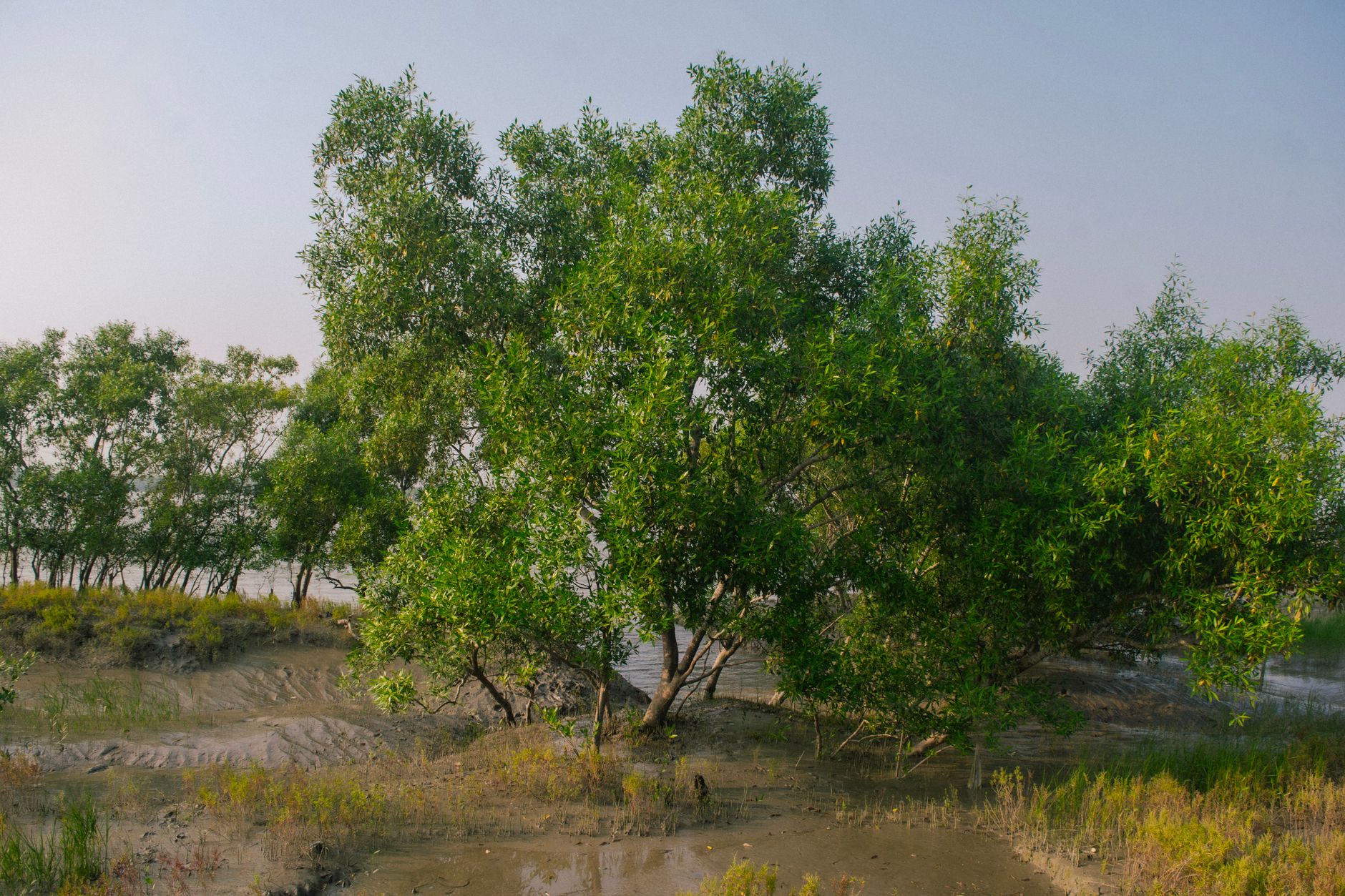
The minister's address comes at a time when West Bengal is ambitiously expanding its tourism infrastructure, especially in areas like the Sundarbans. Known for its unique mangrove forests and rich biodiversity, the Sundarbans is both a jewel in the crown of Bengal's natural heritage and a hotspot of tourism interest. Yet, the influx of tourists poses a risk to its delicate environment.
Oraon emphasised the need for a collaborative approach, involving the government, private sector, and local communities. ‘It is imperative that we develop tourism without compromising our natural resources,’ he stated. His call to action reflects growing concerns among environmentalists and civil society groups, who recently convened in Kolkata to discuss the implications of climate change and ecological degradation.
Engaging Local Communities
The minister encouraged local communities to actively participate in conservation efforts, underscoring the role they play in maintaining ecological balance. ‘Our people are the custodians of their land,’ Oraon noted, suggesting that empowering locals with sustainable livelihood options could serve as an incentive to protect their environment.
The state's efforts are not without challenges. The National Green Tribunal has already flagged issues regarding diminishing forest cover in regions like Jungle Mahal, urging a comprehensive response from environmental agencies.
Private Sector Involvement
Tourism Minister Indranil Sen, who also addressed the Assembly, spoke about involving the private sector in developing eco-friendly tourism initiatives. He suggested that public-private partnerships could offer innovative solutions to the challenges posed by tourism expansion. However, he stressed that any development must align with environmental conservation principles.
As Bengal navigates the complex interplay between tourism and environmental sustainability, the government's stance is clear: development must not come at the cost of its natural treasures. The challenge now lies in translating these intentions into tangible actions that safeguard the state's ecological future.