Bengal's Balancing Act: Boosting Tourism Without Harming Nature
In the hallowed halls of the West Bengal Assembly, a pressing concern took centre stage: the delicate balance between bolstering tourism and preserving the environment. State Tourism Minister Indranil Sen, addressing the assembly on Thursday, laid bare the government's ambitious vision for tourism infrastructure in the ecologically sensitive Sundarbans. The call to action is clear—development must not come at the expense of nature.
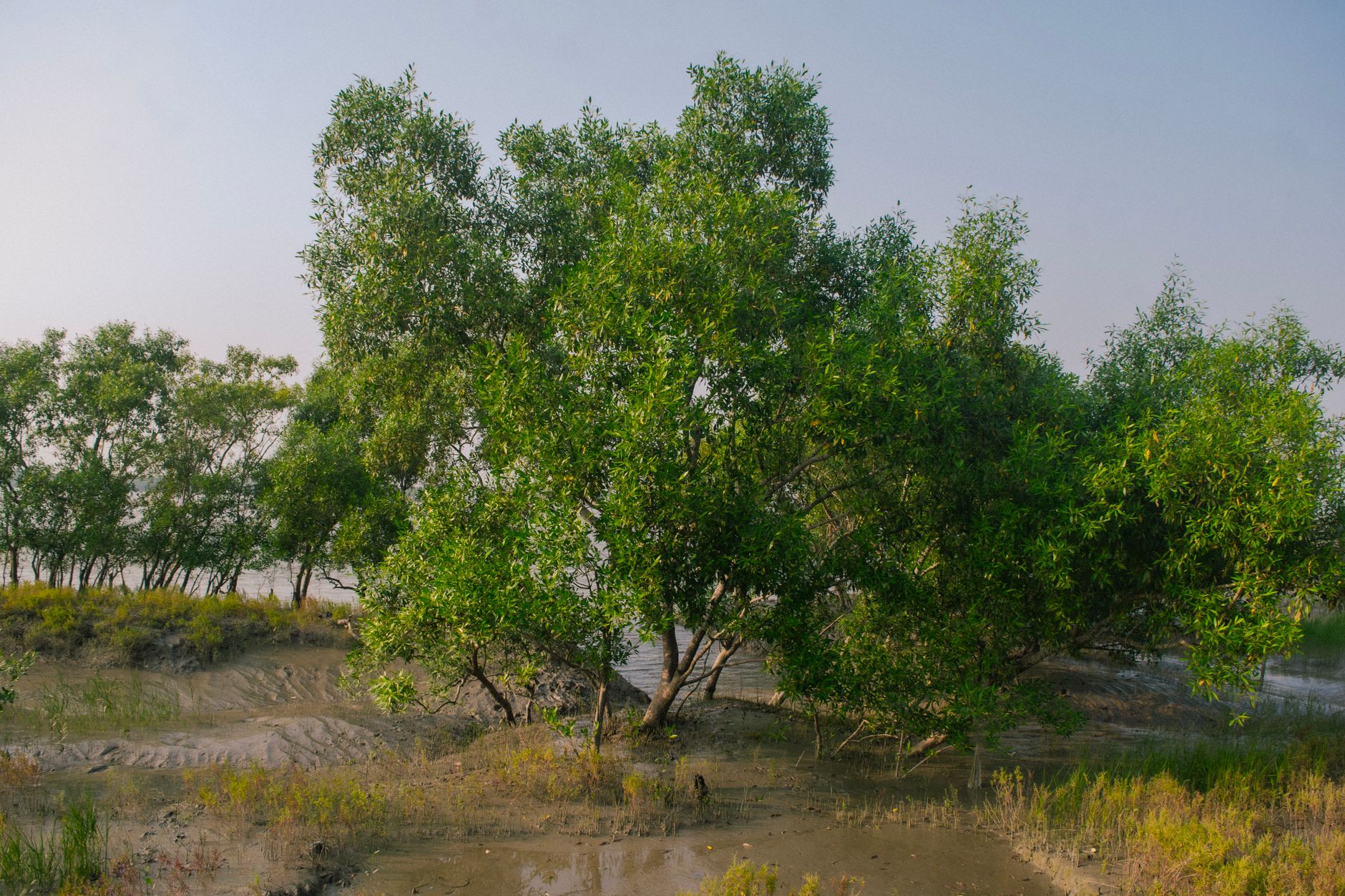
The minister's plan involves a robust partnership with the private sector to enhance amenities and attract more visitors. However, this initiative is not without its challenges. The Sundarbans, a UNESCO World Heritage site, is home to an intricate ecosystem, including the endangered Bengal tiger. The need for meticulous planning is paramount to ensure that increased footfall does not disrupt the fragile ecological balance.
The Role of Local Communities
Meanwhile, Environment Minister Manoj Kumar Oraon has made an impassioned plea to the residents around Buxa, urging them to cooperate with the state Forest Department. His message, delivered via video, emphasised the importance of community engagement in safeguarding the core areas of the Alipurduar tiger reserve. Local involvement, he argued, is crucial for effective wildlife conservation.
Such appeals are timely, given the recent concerns raised by environmental activists and civil society members in Kolkata. The launch of the West Bengal Environment Journalists Platform has amplified the discourse on climate change and environmental degradation, highlighting the need for urgent action.
Challenges and Opportunities
The state's forests, including the Sundarbans, face threats from illegal activities such as wood-smuggling. These illicit operations not only risk violent confrontations but also jeopardise the livelihoods of the state's poorer communities. The government's challenge lies in crafting policies that address these issues while promoting sustainable tourism.
As West Bengal embarks on this path, the eyes of conservationists and tourism experts alike are fixed on the outcome. The success of this initiative could serve as a template for other regions grappling with similar challenges. For now, the message from the assembly is unequivocal: tourism and environmental stewardship must go hand in hand.