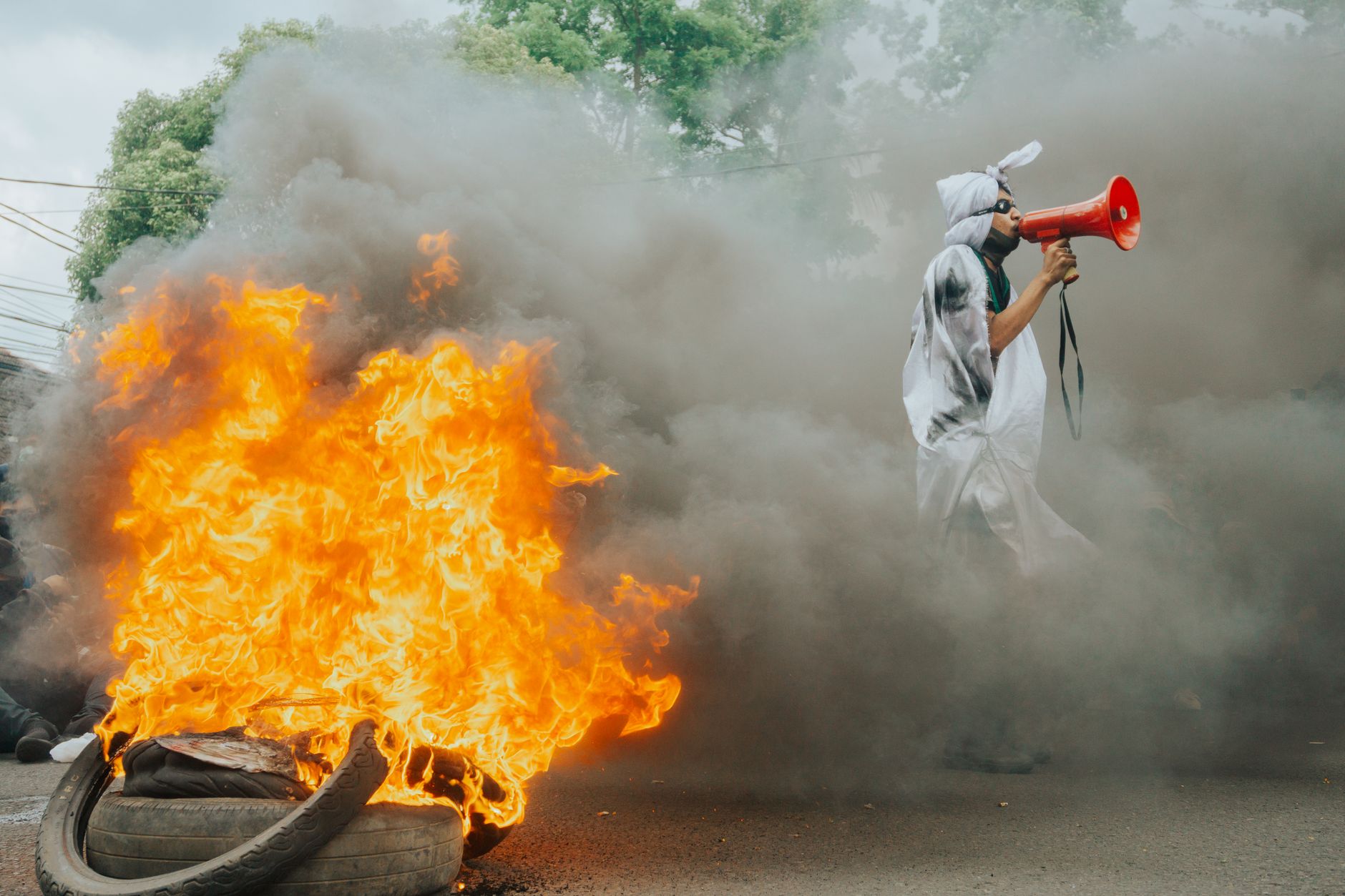
Bengal's Eternal Cycle: Political Shifts and Unyielding Violence
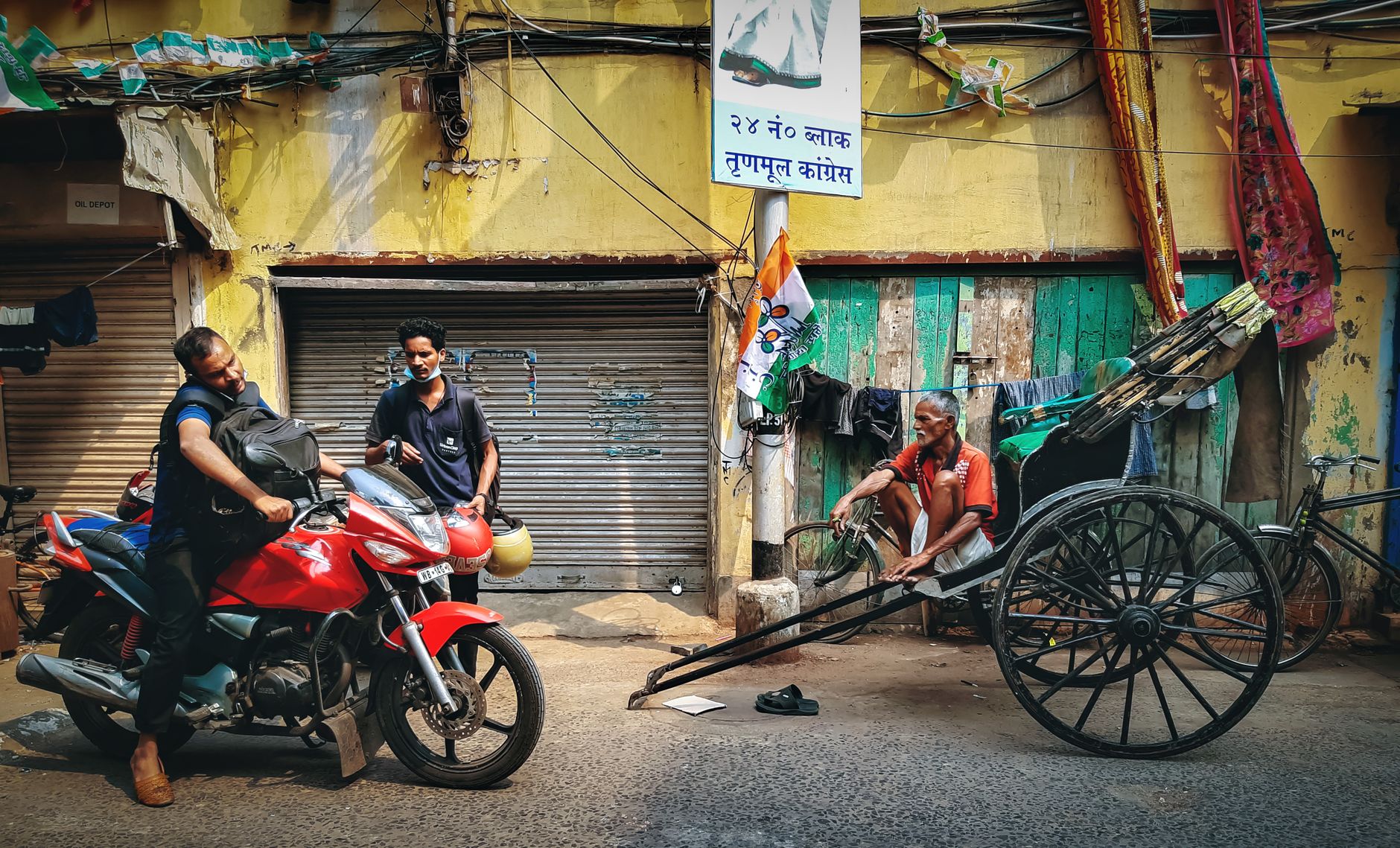
The political theatre of West Bengal is a stage perpetually set for dramatic turns and unending turbulence. Once the bastion of the Communist Party of India (Marxist) or CPM, the state has since witnessed the rise of Mamata Banerjee's Trinamool Congress and now, a formidable challenge from the Bharatiya Janata Party (BJP). Yet, through these seismic shifts, one aspect remains stubbornly constant: violence.
It was a telling moment when Mamata Banerjee, West Bengal's chief minister, declined to attend Prime Minister Narendra Modi's swearing-in ceremony. Her absence was not merely a political snub but an emblematic gesture of the tensions simmering between the Trinamool Congress and the BJP. The latter has made significant inroads in Bengal, a development underscored by their invitation to the families of political violence victims from the state — a move Banerjee found provocative.
The Cycle of Poriborton
Poriborton, or change, has been the rallying cry in Bengal's political vocabulary for over a decade. The Trinamool Congress’s ascendancy in 2011 was a watershed moment, as it ended over three decades of CPM rule. However, the promise of change often came with the baggage of old habits. Political violence, once a tool of the Left, did not vanish with the arrival of new governance. Instead, it mutated and persisted.
In the latest elections, the BJP's remarkable gains have further fuelled the cycle of violence. Prime Minister Modi, addressing a rally in Jhargram, alluded to this 'poriborton', celebrating the BJP's success while appealing to protect Bengal's cultural identity. Ironically, the narrative of change has become synonymous with the perpetuation of political violence, leaving ordinary citizens caught in the crossfire.
A Historical Anomaly
Bengal's history of political conflict is a curious anomaly in a country that prides itself on democratic values. That the CPM, once the vanguard of the proletariat, finds itself overshadowed by the BJP speaks to the profound changes sweeping the state. Yet, for many, this change is superficial. Opposition parties, including the CPM, often seem resigned to their fate, offering little more than lip service in opposing the violence that mars the state's political landscape.
The narrative of Bengal is one of resilience and resistance, yet also of recurring strife. As the state once more stands on the cusp of political transformation, the hope remains that true 'poriborton' might one day break the cycle of violence that has, for too long, held Bengal in its grip.