Bengal's New Plan to Safeguard Environment from Tourism
In the ornate halls of the West Bengal Assembly, a new chapter in environmental stewardship was announced. Tourism Minister Shankar Ghosh, addressing the assembly on Thursday, unveiled a comprehensive plan to shield the state's natural beauty from the potentially corrosive effects of unbridled tourism.
"Tourism is a double-edged sword," Ghosh remarked. "While it is a vital economic driver, unchecked growth can lead to irreversible environmental damage. Our goal is to foster sustainable tourism that respects nature's limits."
The state plans to form an inter-ministerial group, integrating the expertise of the Forest Department, to spearhead this initiative. This collaborative approach is designed to ensure that environmental considerations are at the forefront of tourism development strategies.
Balancing Growth and Conservation
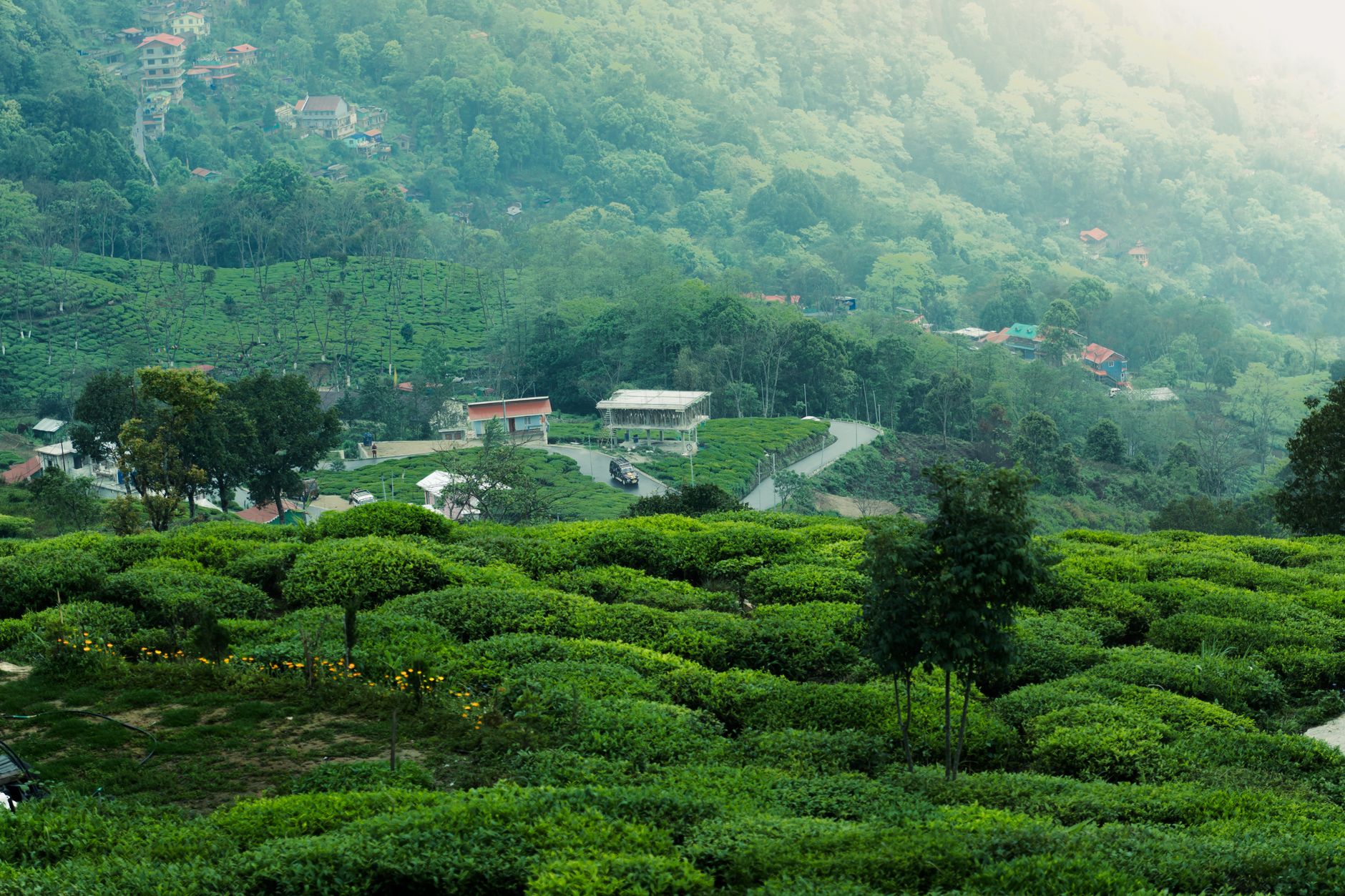
West Bengal, with its diverse landscapes ranging from the dense forests of the Sundarbans to the hill stations of Darjeeling, has much to offer tourists. However, this diversity also demands careful management to prevent ecological degradation.
The new strategy will focus on promoting less-explored destinations, thereby alleviating pressure on popular spots. By doing so, the government aims to distribute the economic benefits of tourism more evenly across the state, while simultaneously protecting fragile ecosystems.
Data-driven decision-making will be a cornerstone of this approach. "We must use data to understand tourist patterns and environmental impacts," Ghosh stated. "This will allow us to adapt our policies in real-time, ensuring we remain both economically viable and environmentally responsible."
A Model for Sustainable Tourism
The initiative has garnered support from environmental groups and local communities alike, who have long advocated for a more sustainable approach to tourism. Manoj Kumar Oraon, the new Environment and Forest Minister, has pledged full cooperation and expressed confidence in the plan's potential to become a model for other states.
"We are at a crossroads," Oraon said. "We can either choose a path of reckless growth or one of thoughtful stewardship. I believe we are choosing wisely."
This bold initiative reflects a broader trend of states re-evaluating their tourism strategies in the face of climate change and environmental challenges. As West Bengal charts its course, the rest of the country will no doubt be watching closely.